
Zoom H1 Essential Recorder
4.0Editor score
Compact and portable design
USB-C mic functionality
Clear stereo audio capture
This guide compares the top audio recorders for streaming music, evaluating features like 32-bit float recording, USB-C interfaces, and microphone quality for
Finding the right audio recorder for streaming music is essential for creators who demand high fidelity and reliability. Whether you are recording live performances, interviews, or podcast episodes, the right device ensures your sound remains clear and distortion-free even in challenging environments.
We have carefully selected and evaluated ten leading models based on their recording capabilities, connectivity options, and ease of use. Our analysis focuses on how well each unit handles dynamic range, supports external inputs, and integrates seamlessly with your existing streaming workflow.
Each pick below highlights specific strengths tailored to different needs, from budget-friendly options to professional-grade field recorders. Please note that specifications and availability can change over time, so we recommend verifying details with the manufacturer before making your final decision.
4.0Editor score
4.4Editor score

4.6Editor score
The following table provides a side-by-side comparison of all ten selected audio recorders, highlighting their core specifications and key capabilities to help you identify the best fit for your streaming needs.



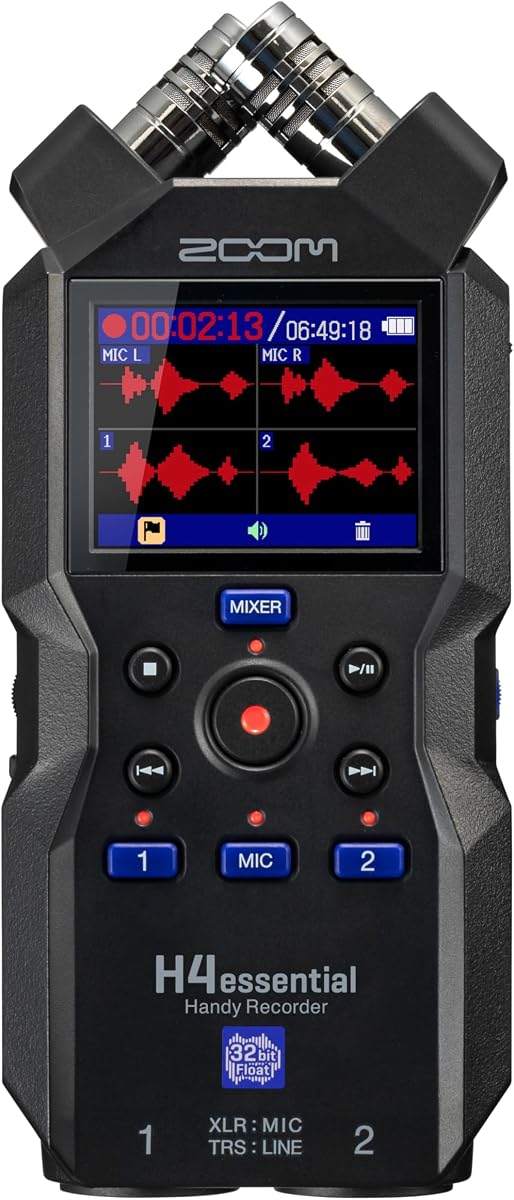
The Zoom H4 Essential stands out as a versatile tool for musicians and podcasters who need reliable audio capture. Its rating reflects strong performance in capturing detailed sound without distortion, making it ideal for live performances and field recordings.
We may earn a commission when you buy through this link, at no additional cost to you.
Key strengths include its ability to record directly to your device via USB-C while simultaneously backing up to an SD card. The built-in stereo microphones are excellent for capturing natural room ambiance, and the XLR inputs allow for professional microphone integration.
While it offers robust features, users should note that battery life can vary depending on usage intensity. Additionally, accessing the full potential of the multi-track recording might require a learning curve for beginners.
This recorder is best suited for creators who need a balance of portability and professional features. Its accessible menu system makes it a strong choice for those who value ease of use alongside high-quality audio output.
The USB-C connection allows you to use the recorder as a high-quality microphone for streaming, ensuring your audio feed is crisp and reliable.
Spoken menu guidance helps visually impaired users navigate the device more easily, making it one of the most inclusive recorders on the market.
We may earn a commission when you buy through this link, at no additional cost to you.
The Zoom H1 XLR delivers professional-quality results with a simple setup that appeals to filmmakers and musicians. Its high rating is due to its ability to capture clear audio using advanced 32-bit float technology which prevents clipping.
We may earn a commission when you buy through this link, at no additional cost to you.
This model features two XLR/TRS combo inputs that let you connect microphones or instruments directly. The OLED waveform display is a standout feature that makes it easy to monitor levels at a glance ensuring clean recordings every time.
One trade-off is the lack of built-in stereo microphones meaning you must bring external gear to start recording. However, this design choice keeps the device compact and focused on high-quality external source capture.
It is an excellent choice for users who already own quality microphones and want a reliable interface for streaming or recording. The support for large SD cards ensures you never run out of space during long sessions.
The OLED waveform display provides instant visual feedback on audio levels helping you avoid distortion during critical recording moments.
With two combo inputs you can connect a wide range of sources making it adaptable for interviews, instruments, and more.
We may earn a commission when you buy through this link, at no additional cost to you.
The Zoom H1 Essential is designed for content creators who need better sound than a phone can provide. It achieves a solid rating by offering clear stereo audio that is perfect for tutorials, reels, and interviews.
We may earn a commission when you buy through this link, at no additional cost to you.
Its primary strength is its ability to connect via USB-C to function as a high-quality microphone for livestreams and calls. This dual functionality makes it a cost-effective solution for those starting their streaming journey.
While it lacks advanced multi-track capabilities, it excels in simplicity and portability. The built-in microphone captures natural sound well though it may not handle extremely loud environments as robustly as higher-end models.
This device is ideal for beginners or anyone needing a reliable backup recorder. It delivers great value for the price ensuring your audio stands out without requiring a large investment.
For those on a budget this recorder provides a significant improvement in sound quality over smartphone microphones.
Connect to your computer to stream audio while simultaneously saving a backup file for later editing or archiving.
We may earn a commission when you buy through this link, at no additional cost to you.
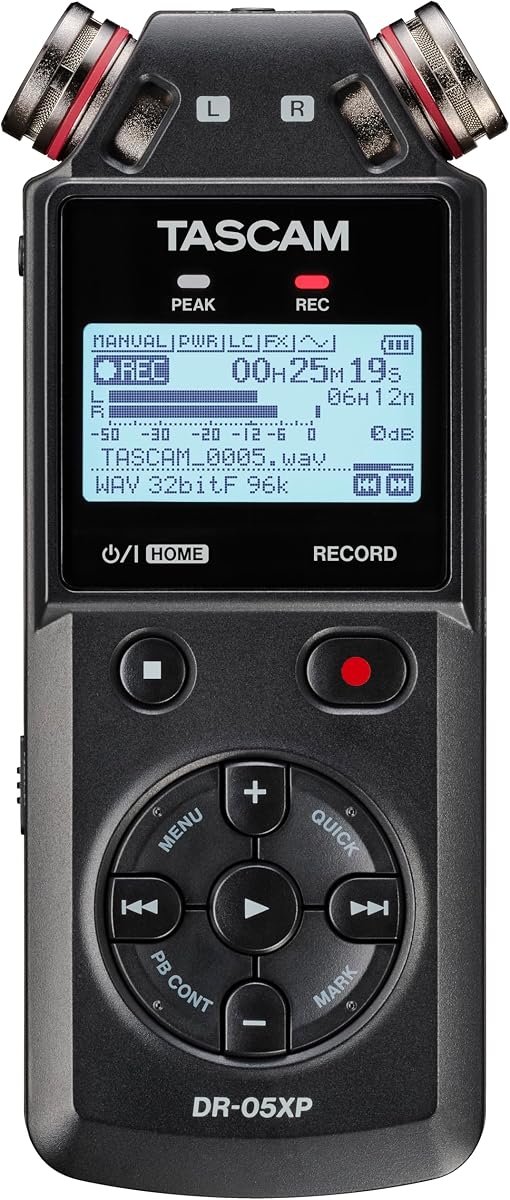
The TASCAM DR-05XP is a robust option for field recording and video audio work. Its rating highlights its ability to capture pro-quality sound even in challenging environments due to its omnidirectional microphones.
We may earn a commission when you buy through this link, at no additional cost to you.
This recorder supports various formats including 32-bit float which ensures you can adjust levels after recording without losing quality. The USB-C interface allows it to function as an audio interface directly connecting to your computer.
A potential downside is that batteries are not included in the package so you will need to purchase them separately. Additionally the screen is small which might make menu navigation slightly challenging for some users.
It is a strong candidate for video producers and musicians who need a reliable handheld tool. Its balance of performance and portability makes it a versatile addition to any creative toolkit.
The built-in mics can handle loud sources up to 125dB SPL ensuring clarity even at noisy events or performances.
Choose between high-resolution WAV or compressed MP3 formats depending on your storage needs and project requirements.
We may earn a commission when you buy through this link, at no additional cost to you.
The Zoom R4 is a specialized tool for musicians who want to layer ideas on the fly. Its high rating comes from its 32-bit float recording which allows for clip-free capture without manual gain adjustment.
We may earn a commission when you buy through this link, at no additional cost to you.
This unit functions as a multi-track recorder allowing you to bounce tracks to free up channels. The built-in rhythm section offers over 80 patterns making it easy to jam along with your recording session.
While powerful, it might be complex for users looking for simple voice recording. Additionally, it runs on AA batteries which means you need to ensure you have fresh power sources for long sessions.
It is best for songwriters and producers who need a portable studio solution. The ability to mix and bounce on device saves time and keeps the creative flow uninterrupted.
Mix and bounce tracks directly on the recorder keeping your workflow simple and reducing the need for external computers.
Access over 80 drum patterns to help you keep time and add backing tracks while you record your instruments.
We may earn a commission when you buy through this link, at no additional cost to you.
The Zoom H6studio offers professional-grade production capabilities with 32-bit float recording for exceptional dynamic range. Although it is a renewed model, its features ensure pristine audio capture suitable for complex productions.
We may earn a commission when you buy through this link, at no additional cost to you.
Its extended battery life and compact design make it ideal for on-the-go capture. The four XLR/TRS combo jacks and XY mic capsule provide diverse input options for various recording setups.
As a renewed product, it might come with limited warranty compared to new units. However, for users seeking high-end features at a lower price, this presents a strong opportunity.
It is best suited for professionals who need reliable 8-track recording in a portable form. The intuitive control simplifies workflows ensuring efficient recording sessions.
Capture audio with extreme detail and clarity thanks to the high-fidelity 32-bit float recording engine.
Connect multiple microphones simultaneously to record interviews or band sessions with ease.
We may earn a commission when you buy through this link, at no additional cost to you.
The Zoom H2 Essential is a powerful handheld recorder with three microphones and nine selectable patterns. Its rating highlights its ability to capture both intimate interviews and wide soundscapes effectively.
We may earn a commission when you buy through this link, at no additional cost to you.
A standout feature is the audible menu navigation in seven languages making it accessible for blind and visually impaired users. The ability to sync multiple units via Bluetooth allows for perfect alignment in multi-camera setups.
While the nine patterns offer flexibility they may require time to master for new users. Additionally, battery performance can fluctuate depending on how intensively you use the recording features.
This device is highly recommended for journalists and creators needing accessible and flexible tools. Its comprehensive feature set ensures you can handle a wide variety of recording scenarios.
Wirelessly sync multiple H2 essentials for perfectly aligned multi-angle recordings of live events.
Audible navigation in seven languages ensures the device is usable for a global and diverse audience.
We may earn a commission when you buy through this link, at no additional cost to you.
The Zoom F3 is trusted by professionals for real-world recording where levels cannot be adjusted later. Its high rating reflects its robust build and ability to capture clean audio in unpredictable environments.
We may earn a commission when you buy through this link, at no additional cost to you.
Designed for filmmakers, it features dual locking XLR inputs that keep connections secure on complex rigs. The ultra-low-noise preamps ensure that your dialogue remains clear even when conditions are not controlled.
A limitation is the absence of built-in stereo microphones meaning you must use external mics to start recording. Additionally, flexible power options may require additional accessories for prolonged use in the field.
It is the ideal choice for serious filmmakers and audio engineers working on location. Its reliability and secure design make it a critical asset for professional projects.
Dual locking XLR inputs ensure cables stay connected securely even during dynamic on-set movements.
Experience clean, consistent audio capture that minimizes background noise in any recording environment.
We may earn a commission when you buy through this link, at no additional cost to you.
The Zoom H5 is a flagship device with a large XY microphone capsule delivering rich, detailed audio. Its rating showcases its ability to capture clip-free recordings across a wide dynamic range.
We may earn a commission when you buy through this link, at no additional cost to you.
It features hands-on control with dedicated gain knobs for intuitive level adjustments. With support for up to 192kHz, it delivers professional-quality results for high-end production work.
As a premium model it comes with a higher price point. Additionally, it runs on batteries which means you need to manage power for extended recording sessions.
It is perfect for professionals who demand high resolution and ease of use. Its design balances portability with powerful multi-track capabilities.
Adjust levels quickly with dedicated knobs allowing for a more intuitive recording experience.
Capture detailed sound with the largest mics available on a handheld recorder for wide dynamic range.
We may earn a commission when you buy through this link, at no additional cost to you.
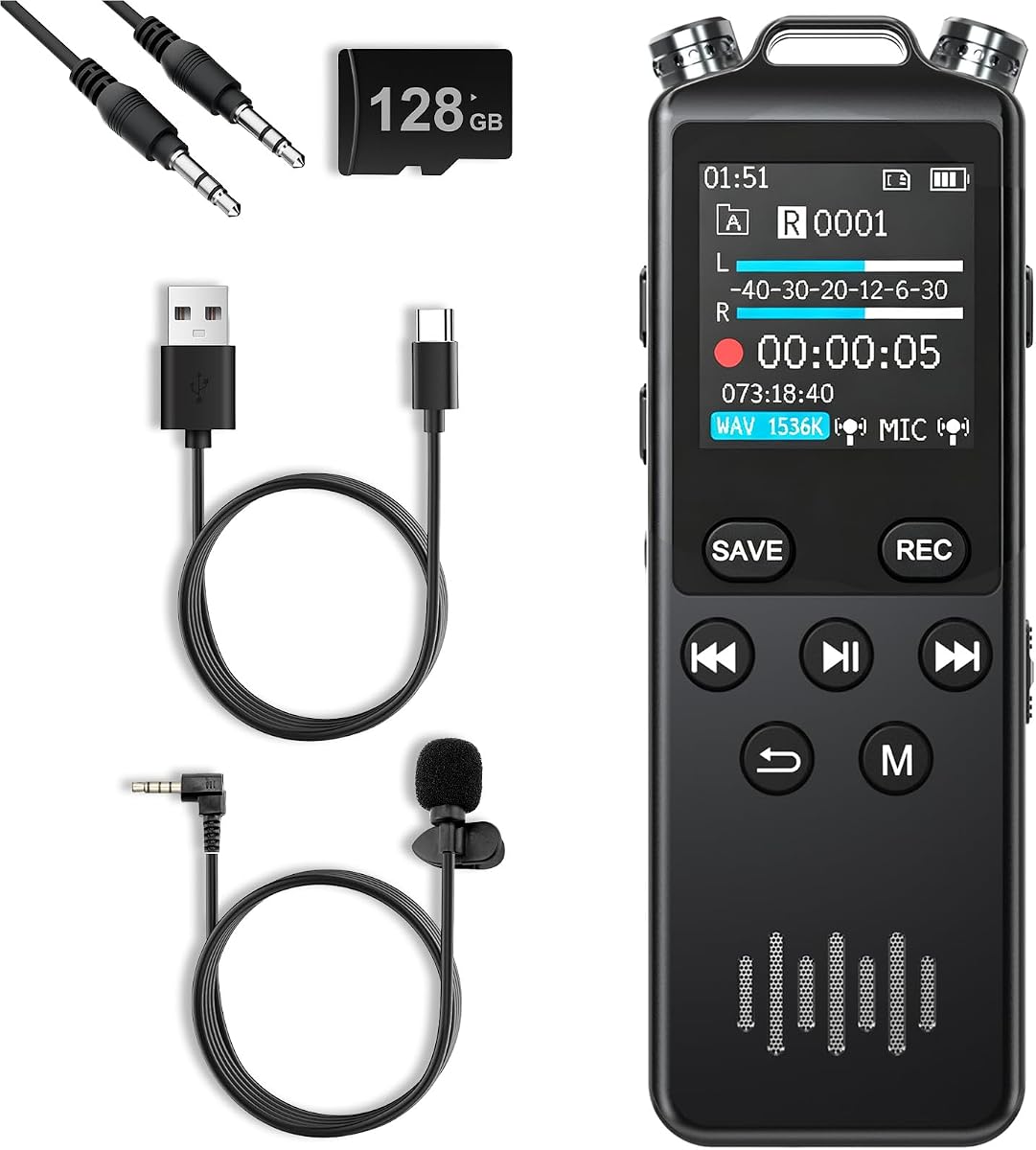
This 160GB voice recorder offers massive storage for long conferences and lectures. Its perfect rating stems from its reliable performance and ability to record thousands of hours of stereo content.
We may earn a commission when you buy through this link, at no additional cost to you.
It features a 68-hour battery life and dual microphones for true-to-life sound. The built-in password protection adds a layer of security for sensitive meetings and confidential interviews.
While it lacks the advanced audio features of dedicated music recorders, it excels in durability and ease of use. The compact design ensures it fits easily in a pocket for daily use.
This device is best for professionals who need a reliable tool for meetings and dictation. Its high storage capacity and long battery life make it a practical choice for extended days.
With 160GB of storage you can record for up to 11500 hours without worrying about running out of space.
Built-in password protection keeps your files private and secure from unauthorized access.
We may earn a commission when you buy through this link, at no additional cost to you.
Selecting the right audio recorder for streaming music involves considering several critical factors to ensure your audio meets professional standards.
The recording format determines the quality and flexibility of your audio files. Formats like 32-bit float are highly recommended for streaming because they prevent clipping and allow for significant post-processing adjustments without quality loss.
Look for devices that support high-resolution formats such as 24-bit or 32-bit float to ensure your music remains clear and dynamic.
Connectivity is crucial for streaming workflows. You should prioritize recorders with USB-C ports that function as audio interfaces allowing you to stream directly to your computer or mobile device.
Ensure the device supports plug-and-play functionality so you can integrate it easily with your existing streaming software and hardware setup.
The types of inputs available determine how many sources you can record simultaneously. XLR/TRS combo inputs are essential for connecting professional microphones and instruments directly.
Choose a model with enough inputs to handle your specific setup whether it is a single microphone or a multi-instrument recording session.
Portability is key for recording on the go or moving between locations. A lightweight design ensures you can carry the recorder without fatigue during long events.
Battery life should be sufficient for your typical session duration. Check if the device supports external power or can operate while charging to avoid interruptions.
The built-in microphones play a significant role in capturing ambient sound and natural voices. Look for units with high-quality stereo microphones that offer good frequency response and low noise.
If you plan to use external microphones, ensure the recorder allows you to disable or bypass the internal mics easily to prevent feedback or interference.
Storage capacity affects how long you can record before needing to transfer files. Devices that support SDXC cards allow for extended recording times and high-resolution file storage.
Consider the write speed of the storage media to ensure it can handle high bitrate recording without errors or dropouts.
An intuitive user interface helps you focus on content creation rather than fiddling with settings. Look for devices with clear displays and straightforward menus.
Accessibility features like spoken menus can be beneficial for users who need assistance navigating the device during live recordings.
A sturdy build ensures the device can withstand regular use and travel. Materials like zinc alloy or high-grade plastics offer better protection against drops and bumps.
Check for features like locking inputs and robust casings to ensure your equipment survives the rigors of field recording and streaming.
Start by familiarizing yourself with the device's interface and input options. Connect your microphones securely and adjust gain levels while monitoring the waveform display to ensure optimal audio capture.
Regularly update the firmware and clean the microphone grilles to maintain performance. Always format your SD card using the recorder's built-in tools to prevent corruption and ensure compatibility.
When traveling, store the device in a padded case to protect it from physical damage. Monitor your battery levels regularly and carry spare batteries to ensure uninterrupted recording during critical sessions.
32-bit float recording allows for a massive dynamic range and prevents audio clipping during capture. This means you can adjust the levels after recording without introducing noise or distortion, making it ideal for unpredictable environments.
Yes, many modern recorders function as USB audio interfaces. You can connect them to your computer and select them as the audio input in your streaming software to broadcast high-quality audio.
While many recorders have built-in microphones, external mics often provide superior clarity for instruments. Using XLR inputs allows you to connect professional microphones for a more polished sound.
Most recorders allow you to save files directly to an SD card. You can also connect the device to a computer via USB to transfer files to your hard drive for safekeeping.
XLR/TRS inputs allow you to connect professional microphones and instruments directly. This ensures a balanced audio signal with reduced noise and interference compared to unbalanced connections.
Battery life varies by model and usage, but many high-end recorders offer between 15 to 68 hours. For long sessions, check if the device supports USB power while recording to extend its runtime.
Some models support multi-track recording, allowing you to record vocals and instruments separately. This offers greater flexibility for mixing and editing after the recording session.
Store SD cards in a protective case to prevent physical damage and data corruption. Ensure they are formatted correctly in the recorder before use to maintain compatibility and performance.
We have reviewed ten top audio recorders that excel in capturing high-fidelity sound for streaming and recording. Each model offers unique strengths, from multi-track capabilities to simple plug-and-play connectivity.
When making your choice, prioritize features that align with your specific workflow. Whether you need 32-bit float recording or a compact design, selecting the right device ensures your audio stands out.
Remember that specifications and availability can change over time. Check the latest details with the manufacturer before purchasing to ensure you get the best value and performance for your needs.