
Built-in GPS Distance Tracking Watch for Men and Women
4.2Editor score
Built-in GPS tracks pace
AMOLED display screen
50m waterproof rating
This guide compares the top 10 Distance Tracker for Running options available in October 2026 to help you find the perfect device for your fitness journey.
Finding the right Distance Tracker for Running is essential for athletes who want to monitor their progress accurately. A good device should offer reliable GPS tracking, long battery life, and comfortable design for daily wear.
We have evaluated ten leading products based on accuracy, features, and user feedback to create this comprehensive list. Each option brings unique strengths whether you prefer advanced metrics or simple step counting tools.
Every pick includes detailed specifications and real-world performance insights to guide your decision. Note that availability and costs vary by region so check current details before purchasing your next tracking device.
4.2Editor score

4.6Editor score

4.6Editor score
This side-by-side comparison highlights the key specifications of each top-rated distance tracker to help you choose the best fit for your specific running needs.


The Garmin Forerunner 165 earns top marks for its perfect balance of advanced tracking and ease of use. With a 4.6 rating it stands out for runners who need precise distance data without overwhelming complexity.
We may earn a commission when you buy through this link, at no additional cost to you.
Its built-in GPS ensures accurate pace and distance tracking while the AMOLED display keeps data visible in direct sunlight. The personalized suggested workouts adapt to your performance helping you improve daily.
While the 19 hour GPS battery life is solid it falls short of ultra long distance needs. However the smartwatch mode delivers up to 11 days of use which covers most weekly training cycles easily.
Runners seeking reliable health metrics and intuitive navigation should prioritize this model. It offers the best mix of features and usability for serious athletes and casual joggers alike.
Garmin Coach plans adapt based on your performance and recovery to ensure safe progress toward race goals.
Morning reports and incident detection send live location data to contacts for peace of mind during outdoor runs.
We may earn a commission when you buy through this link, at no additional cost to you.
This built-in GPS watch delivers impressive value for runners who want premium features without a premium price tag. It holds a 4.2 rating thanks to its solid GPS accuracy and long battery life.
We may earn a commission when you buy through this link, at no additional cost to you.
The 2.06-inch AMOLED display provides crisp data visibility while the metal body ensures durability for outdoor adventures. You can make calls and track routes directly on the wrist using Bluetooth connectivity.
It might feel heavier than some ultra-light options but the robust construction pays off for rugged outdoor use. The 170 plus sport modes cover almost every activity you might want to track.
Budget conscious runners should consider this model for its versatility. It balances cost and performance better than many competitors in its class making it a smart entry-level choice.
Track swimming laps hiking routes and more with over 170 built-in sports modes including dedicated options for outdoor work.
Built-in mic and speaker allow hands-free calls while one-tap SOS provides emergency assistance when connected to your phone.
We may earn a commission when you buy through this link, at no additional cost to you.
The Garmin Forerunner 965 is the ultimate tool for serious athletes demanding top-tier precision and navigation. With a 4.6 rating it excels in mapping accuracy and multi-sport functionality.
We may earn a commission when you buy through this link, at no additional cost to you.
Full-color built-in maps let you navigate any route confidently while multi-band GPS ensures accuracy in challenging urban or forested environments. Training readiness scores help optimize your daily efforts.
Its larger size might not suit smaller wrists but the premium build quality justifies the weight. The 31-hour GPS battery life supports ultra-distance events without needing mid-run recharging.
Investors in their running performance will find this watch indispensable. It combines elite mapping with advanced running dynamics to deliver unmatched value for competitive athletes.
Full-color maps provide real-time route guidance and course widgets help you plan race strategies effectively.
Wrist-based running power and stride length metrics give you continuous insight into effort and efficiency.
We may earn a commission when you buy through this link, at no additional cost to you.
The Zeacool Fitness Tracker is a strong option for casual runners who rely on phone GPS for distance. It holds a 4.5 rating for its vibrant display and comprehensive health monitoring.
We may earn a commission when you buy through this link, at no additional cost to you.
You can track steps distance and calories effortlessly with 123 sport modes to choose from. The screen is bright and responsive making it easy to check stats mid-workout.
Without built-in GPS you must carry your smartphone for accurate distance tracking which limits its utility for trail runs. Still the health metrics offer great insight for daily wellness.
Beginners looking for an affordable tracker should consider this device. It covers the basics well while keeping costs low for users focused on general fitness.
The sleep score feature analyzes deep and light sleep stages to provide actionable tips for better rest.
Monitor blood oxygen and stress levels alongside steps and calories for a full view of your daily health.
We may earn a commission when you buy through this link, at no additional cost to you.
The Garmin Forerunner 70 offers a streamlined experience for runners focused on health and fitness tracking. With a 4.4 rating it delivers accurate GPS and solid health metrics.
We may earn a commission when you buy through this link, at no additional cost to you.
Training readiness tells you if you are primed for a workout while quick workout creation lets you start training on the fly. The display is vibrant and responsive.
It lacks some advanced mapping features found in higher-end models but covers essential needs well. The battery life supports long weeks without charging if GPS usage is moderate.
Runners seeking a lightweight option with strong Garmin ecosystem support should consider this model. It provides reliable tracking without the complexity of professional gear.
This feature combines sleep and recovery data to help you avoid overtraining and maximize performance.
Detailed sleep stage insights help you understand recovery quality and adjust your training schedule accordingly.
We may earn a commission when you buy through this link, at no additional cost to you.
The Garmin Forerunner 570 stands out as one of the highest rated options in our comparison. It offers a bright display and convenient hands-free calling for runners on the move.
We may earn a commission when you buy through this link, at no additional cost to you.
Training readiness helps you optimize workouts while morning and evening reports keep you informed about recovery and upcoming plans. The aluminum bezel adds durability to the design.
It does not offer standalone music storage which means you still need your phone for playlists. However its core tracking metrics are robust and reliable for serious athletes.
Runners who want seamless connectivity and health insights will find this watch appealing. It balances performance with lifestyle features better than many peers in this class.
Daily updates include sleep recovery weather and workout reminders to keep you organized and prepared.
The built-in mic and speaker allow you to manage calls and voice assistants directly from your wrist.
We may earn a commission when you buy through this link, at no additional cost to you.
The POLAR Pacer Pro is engineered for runners who prioritize comfort and battery life during long sessions. It holds a 4.3 rating for its minimal weight and specialized training tools.
We may earn a commission when you buy through this link, at no additional cost to you.
At just 41 grams it feels nearly invisible on the wrist while the 35-hour training battery supports endurance events. Heart rate monitoring is precise and recovery tools are advanced.
Smart features are less robust than Garmin offerings but the core running metrics are top notch. You must pair with the app for deeper insights which may feel limiting to some.
Racers seeking a dedicated running companion should consider this watch. It strips away distractions to focus on performance and recovery efficiency for serious training cycles.
At 41 grams this watch reduces fatigue during long runs ensuring you focus on performance not weight.
Sleep and recovery tracking help optimize rest periods between intense training sessions effectively.
We may earn a commission when you buy through this link, at no additional cost to you.
The Nike+ SportWatch GPS is a legacy device that still offers basic tracking for budget users. It holds a 3.9 rating due to its older interface and limited features.
We may earn a commission when you buy through this link, at no additional cost to you.
It uses TomTom GPS for reliable distance data indoors or out. The simple design makes it easy to read metrics while the water resistance protects against rain.
Battery life is limited to 8 hours of GPS tracking which might not support ultra-runners. However the standby power lasts up to 50 days between charges.
Runners needing a no-frills tracker might find this acceptable. It works for casual use but lacks modern smart features found in newer models.
TomTom GPS technology provides consistent speed and distance data even when signals get briefly interrupted.
With up to 50 days of standby power the device stays ready for occasional use without constant charging.
We may earn a commission when you buy through this link, at no additional cost to you.
The Garmin vívoactive 5 balances health monitoring with GPS tracking in a sleek package. It holds a 4.3 rating for its Body Battery insights and automatic nap detection.
We may earn a commission when you buy through this link, at no additional cost to you.
Energy monitoring helps you understand when to rest based on stress and sleep. Music storage allows phone-free listening with wireless headphones for a cleaner run experience.
It uses less battery with always-on display compared to premium models but standard mode lasts up to 11 days. The screen is bright and colorful for easy viewing.
Health-conscious runners looking for stress and sleep insights will appreciate this watch. It covers general fitness well while offering enough GPS for daily runs.
This feature tracks energy levels based on sleep stress and activity to guide your daily intensity.
The watch detects and logs naps automatically to provide accurate data for energy calculations.
We may earn a commission when you buy through this link, at no additional cost to you.
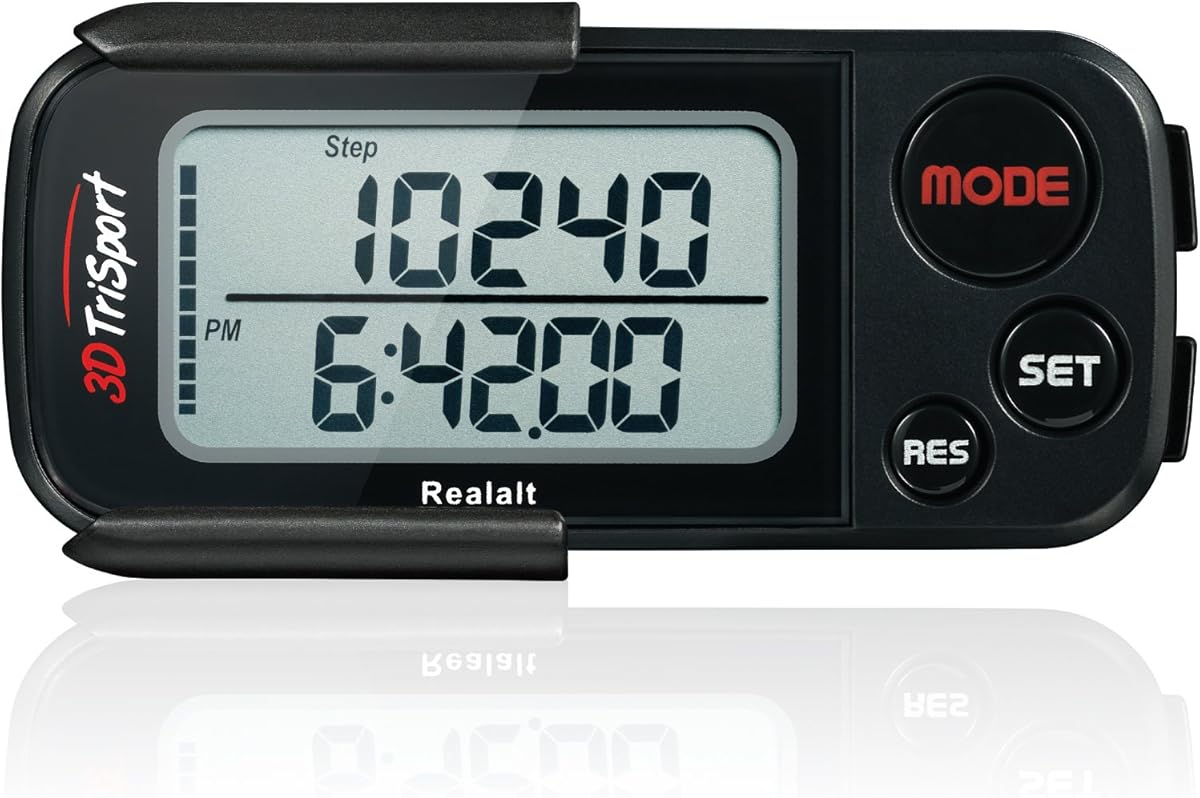
The 3DTriSport Walking Pedometer is the simplest device on this list for counting steps and distance. It holds a 4.0 rating for its accuracy and ease of use.
We may earn a commission when you buy through this link, at no additional cost to you.
With no Bluetooth or app required it tracks steps distance and calories independently. The 3D sensor ensures accuracy even when placed in pockets bags or clipped to a waistband.
Without GPS it relies on stride calculations for distance which may vary by individual. However it stores 30 days of records to help you track progress over time.
Seniors or beginners wanting a distraction-free tracker will love this option. It is affordable and durable without the need for charging or smartphone connectivity.
No Bluetooth or smartphone pairing is required allowing anyone to use it without technical setup.
The battery runs up to 12 months eliminating the need for frequent charging or power management.
We may earn a commission when you buy through this link, at no additional cost to you.
Selecting the right distance tracker requires understanding which features align with your training goals and lifestyle needs.
Accurate GPS is crucial for measuring distance and pace reliably. Look for devices with multi-band GPS or fast signal lock capabilities to ensure consistent tracking in urban areas or dense forests.
Prioritize models with proven GPS performance to avoid discrepancies in your training data.
Battery life determines how long you can track runs without recharging. Some watches offer up to 31 hours in GPS mode which suits ultra runners whereas others provide around 10 hours.
Choose a battery capacity that matches your longest typical training session to avoid mid-run interruptions.
A bright and responsive screen ensures you can read data during intense workouts. AMOLED displays offer vivid colors and visibility in direct sunlight making them ideal for outdoor running.
Consider display size and touch response to ensure ease of use while wearing gloves or during movement.
Advanced trackers offer metrics like training readiness recovery time and sleep analysis. These features help optimize your routine and prevent overtraining by providing actionable insights.
Look for personalized coaching tools if you aim to improve your fitness goals systematically.
Water resistance allows you to track swim workouts and run in the rain without worry. Ratings like 5ATM or IP68 indicate suitability for swimming and exposure to moisture.
Durability ensures the device withstands daily wear and tear during physical activities.
Smart features such as notifications music control and contactless payments enhance daily utility. Bluetooth connectivity enables seamless syncing with smartphones and other fitness devices.
Decide if you need these features or if a focused runner device is better for minimal distraction.
Lightweight designs reduce fatigue during long runs. A comfortable band and low profile ensure the watch stays secure without causing irritation.
Test the fit before purchase to ensure it suits your wrist size and comfort preferences.
Prices vary significantly based on features. Entry-level options cost less while premium models offer advanced mapping and training tools.
Invest in a device that balances essential features with your long-term training goals.
Begin by pairing your tracker with the manufacturer app and setting up your personal profile. Sync initial settings to ensure GPS and health metrics track correctly during your first run.
Clean the band and sensor regularly using mild soap and water to prevent skin irritation. Avoid exposing the device to extreme heat or high-velocity water sports unless rated for it.
Update firmware through the app to access new features and performance improvements. Charge the device fully before extended trips to maintain uninterrupted tracking throughout your training.
GPS tracking uses satellite signals to measure exact distance and pace regardless of stride. Step counting relies on accelerometer data to estimate movement and distance which can vary by walking style.
Most modern watches have built-in GPS so they do not require a smartphone to record distance. However pairing with a phone is needed for notifications syncing data and advanced smart features.
Accuracy depends on GPS signal strength and environmental conditions. Multi-band GPS models generally provide superior accuracy compared to single-band systems in urban or wooded areas.
Battery life varies by model ranging from 10 to 31 hours in GPS mode. Smartwatch mode typically lasts between 11 to 23 days depending on usage and settings.
Yes many devices are water resistant and include dedicated swim modes to track pool laps and open water distances. Check the waterproof rating before swimming in open water.
To calibrate enter a known distance like a measured track and let the device record your run. The device will adjust your stride length for future estimates based on that session.
Choosing the right distance tracker depends on your budget training intensity and desired features. The Garmin Forerunner 165 stands out as the best overall while the Built-in GPS Distance Tracking Watch leads in value.
Prioritize GPS accuracy battery life and health metrics if you are a serious athlete. For casual runners a simpler tracker may offer sufficient functionality without extra complexity.
Remember that availability and offerings change so verify current product specs before making a purchase. Use this guide to find a device that supports your running journey effectively.