
Mcbazel 3 in 1 Handheld Digital Anemometer
4.5Editor score
Measures wind speed and temperature
Displays Beaufort scale level
Lightweight and portable design
This guide compares the top 10 marine anemometers for sailors and boaters, evaluating accuracy, durability, and features to help you choose the right wind
Marine anemometers are essential tools for any serious sailor or boater looking to optimize performance and safety on the water. These devices measure wind speed and direction, providing critical data for sail trim, navigation, and weather awareness. Whether you are racing in regattas or cruising coastal waters, reliable wind data can make a significant difference in your journey.
We have carefully selected and analyzed ten top-rated anemometers available in the market today. Our comparison focuses on key factors such as accuracy, build quality, ease of use, and compatibility with existing marine systems. By examining detailed specifications and user feedback, we aim to help you find the device that best suits your specific boating needs.
Each pick in this list highlights unique strengths, from budget-friendly handheld units to advanced integrated systems. You will find detailed reviews, pros and cons, and practical buying advice to guide your decision. Please note that product availability and pricing may change, so verify current details before making a purchase.
4.5Editor score

4.5Editor score
4.4Editor score
The following table provides a side-by-side comparison of all ten products to help you quickly identify key specifications and features.



The BTMETER BT-100 Handheld Anemometer stands out as a versatile tool for sailors and hobbyists alike. With a rating of 4.5 stars, users appreciate its ability to measure wind speed across five different units. This flexibility makes it suitable for various international standards and personal preferences.
We may earn a commission when you buy through this link, at no additional cost to you.
Its accuracy is commendable, with a range of 0.67 to 67.1 mph and a resolution of 0.1 m/s. The inclusion of wind temperature and wind chill features adds significant value for monitoring environmental conditions. The bright backlit LCD ensures readability even in low-light situations on deck.
While the device is portable, it does require three AAA batteries which are not always included in the box. Some users might find the screen size slightly small for those with vision impairments. However, the overall performance justifies these minor inconveniences for most recreational and professional users.
This anemometer is ideal for anyone needing reliable wind data without investing in a full marine system. Whether you are adjusting sails or flying a drone, the BT-100 provides the necessary information. We recommend it for its balance of features, portability, and affordability.
The ability to switch between m/s, km/h, ft/min, knots, and mph allows users to work seamlessly in different regions.
The tripod hole on the bottom enables fixed mounting for long-term wind observation without holding the device manually.
We may earn a commission when you buy through this link, at no additional cost to you.
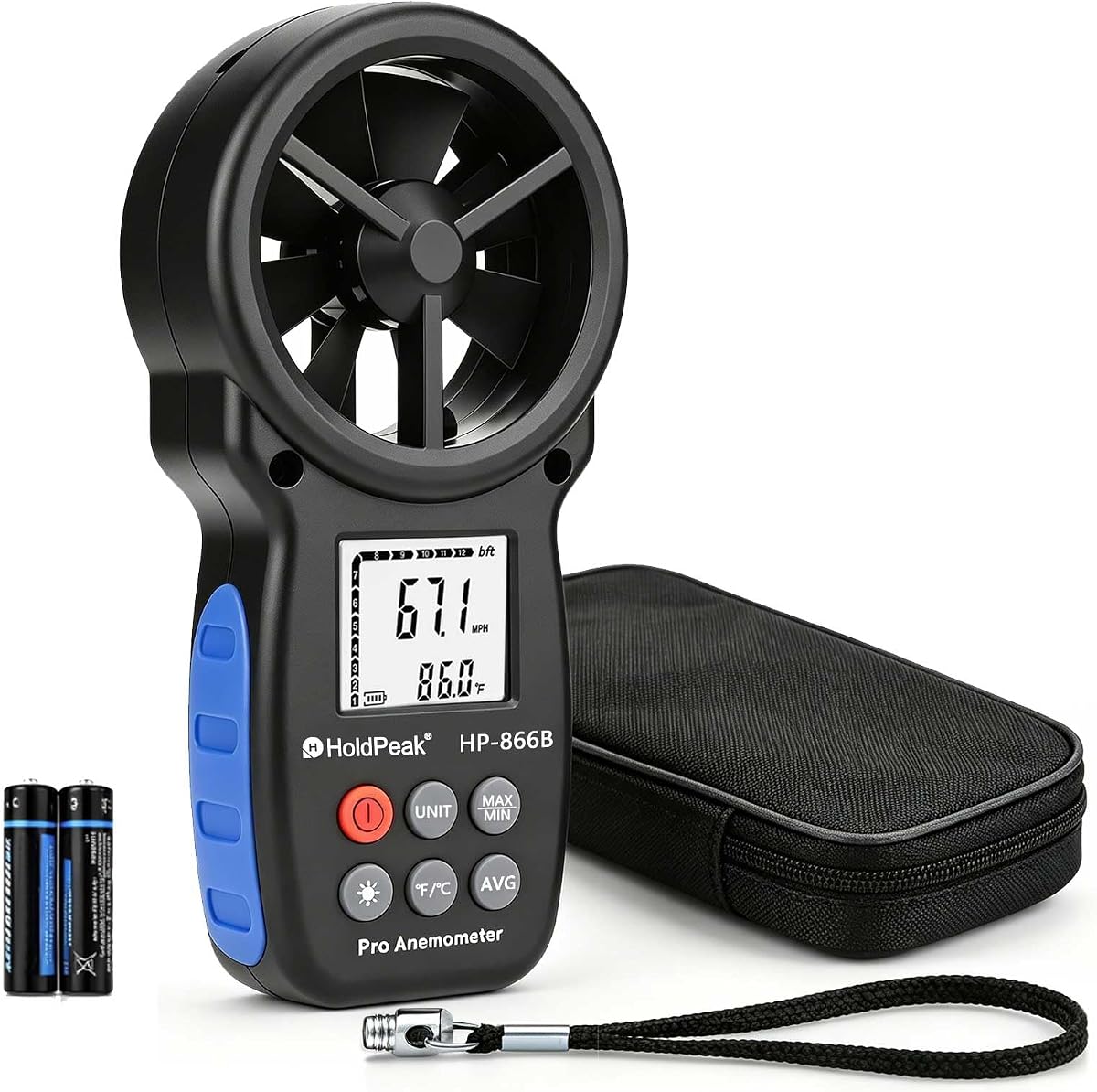
The HoldPeak 866B Digital Anemometer is praised for its sensitivity and professional-grade features. It shares similar wind speed ranges with the BTMETER but distinguishes itself with dual temperature sensors. This makes it particularly useful for comparing thermal variations alongside wind conditions.
We may earn a commission when you buy through this link, at no additional cost to you.
Users can monitor wind speed, wind chill, and temperature with precision. The device supports unit switching and offers Max/Min/Average readings, which are crucial for analyzing wind patterns during sailing. The hand strap ensures you do not drop the device overboard during active use.
Some users note that the device feels slightly heavier than other handheld models, which might cause fatigue during extended sessions. The instruction manual could also be clearer for first-time users. Despite these points, the inclusion of a waterproof carrying pouch adds value for outdoor protection.
This anemometer is excellent for those who need a robust tool for both marine and HVAC applications. The ability to calculate CFM makes it versatile beyond just wind monitoring. It is a reliable choice for professionals and enthusiasts who demand accuracy and durability.
Dual temperature sensors provide more accurate thermal readings by averaging data points across different parts of the device.
The included hand strap prevents accidental drops, a critical safety feature when working on moving boats or near water.
We may earn a commission when you buy through this link, at no additional cost to you.
The Inspeed Magnetic Mount Anemometer offers a unique solution for those needing a fixed but removable wind sensor. With a high rating of 4.7 stars, it is known for its precision and ease of use. The magnetic mount allows for quick attachment to metal surfaces on the boat.
We may earn a commission when you buy through this link, at no additional cost to you.
Its compact size makes it ideal for smaller vessels where deck space is limited. The calibration ensures that the readings are reliable for navigation and sail trim. This model bridges the gap between handheld units and permanent masthead systems.
However, the magnetic mount limits placement to ferromagnetic surfaces, which might not be available in all locations on a boat. The price point is higher than basic handheld units, reflecting its specialized design. Users should verify their boat's surface compatibility before purchasing.
This device is perfect for sailors who want permanent data without drilling holes or complex installations. It provides a reliable middle ground for those needing more than a handheld but less than a full system. We recommend it for small to medium-sized boats.
The magnetic mount allows you to attach the device to metal railings or rails instantly without tools or permanent fixtures.
Its small footprint ensures it does not obstruct movement on deck, making it ideal for compact sailing vessels.
We may earn a commission when you buy through this link, at no additional cost to you.
The Raymarine Instrument Wind I60 Display Only unit is designed for upgrading existing marine systems. It serves as the visual interface for your wind data, connecting to compatible transducers. While it does not measure wind itself, it is a crucial part of a networked marine setup.
We may earn a commission when you buy through this link, at no additional cost to you.
The display offers high contrast text and graphics, ensuring readability in bright sunlight. It fits into standard instrument cutouts, making it a drop-in replacement for older models. The black and grey finish blends well with modern vessel aesthetics.
Some users report a lower rating due to the complexity of integrating it with older systems. You must ensure you have the correct transducer to make this unit functional. Without the sensor, this display has no standalone utility.
This product is best suited for boat owners replacing worn-out displays on Raymarine networks. It provides a clear window into your wind data without needing a full system overhaul. Verify compatibility before purchase to avoid integration issues.
Ensure your existing transducer is compatible with the i60 series to guarantee seamless data transmission to the display unit.
The high-contrast screen ensures that critical wind data remains legible even in direct sunlight or harsh glare.
We may earn a commission when you buy through this link, at no additional cost to you.
The TopTes TS-301 Digital Anemometer features a large 2.26-inch LCD screen that makes reading data exceptionally easy. With a rating of 4.6 stars, it is highly regarded for its visibility and user-friendly design. This is particularly helpful in bright sunlight on a boat.
We may earn a commission when you buy through this link, at no additional cost to you.
It measures wind speed, temperature, and humidity, offering a comprehensive weather snapshot. The auto power-off function saves battery life, and the compact size allows for easy pocket storage. Six measuring units provide flexibility for international users.
The humidity sensor can take time to adjust to new environments, which may lead to slight delays in accurate readings. Some users find the battery life shorter than expected with heavy use. These are minor issues compared to the overall utility of the device.
This anemometer is a top choice for those who prioritize screen readability and multifunctionality. It is great for sailing, hiking, or any activity where quick and clear data is needed. We recommend it for casual boaters and outdoor enthusiasts.
The large LCD screen minimizes eye strain and ensures you can see data quickly without squinting in bright conditions.
Including humidity data alongside wind speed gives a more complete picture of local weather conditions for planning trips.
We may earn a commission when you buy through this link, at no additional cost to you.
This product is a replacement kit for Raymarine ST50, ST60, and ST80 systems. It includes the necessary bowls, vanes, and fixing screws to restore a malfunctioning wind sensor. It is an essential purchase for boat owners maintaining older marine instrumentation.
We may earn a commission when you buy through this link, at no additional cost to you.
Replacing worn bowls ensures that your existing display continues to provide accurate data. The kit comes with a counterweight and allen key, simplifying the mechanical installation process. It extends the life of your original marine electronics without replacing the whole system.
Installation requires some mechanical skill to ensure the vanes are aligned correctly. If not installed properly, the readings will be inaccurate. It is not a standalone device, so it will not work without the original display unit.
This replacement kit is a cost-effective solution for maintaining your boat's wind instrument. It is highly recommended for those with older Raymarine equipment looking to avoid costly new purchases. Proper installation is key to restoring accuracy.
Replacing worn mechanical parts extends the lifespan of your existing Raymarine system significantly.
The inclusion of screws and an allen key means you do not need to buy extra tools to complete the repair.
We may earn a commission when you buy through this link, at no additional cost to you.
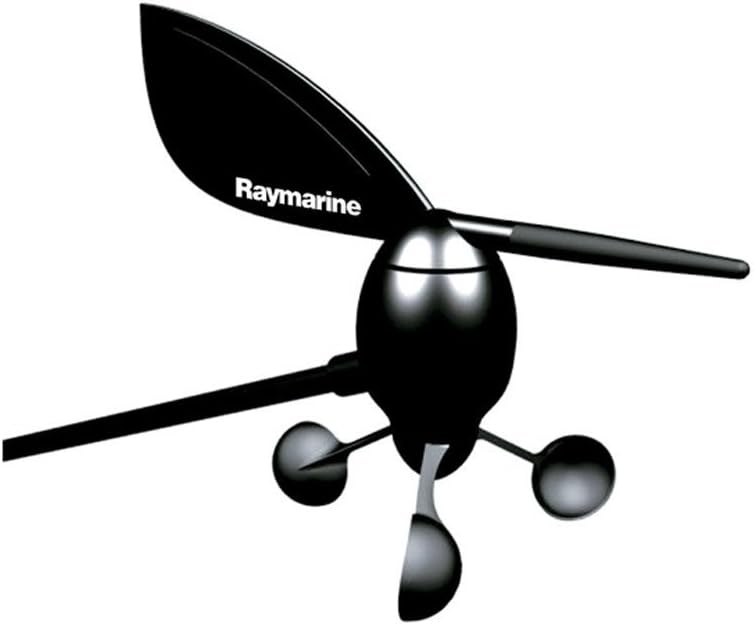
This product provides the masthead transducer components for Raymarine systems, including the wind arm, vane, and cups. It is a crucial upgrade for sailors seeking the latest sensor technology on their vessel. The latest version ensures improved accuracy and durability over older models.
We may earn a commission when you buy through this link, at no additional cost to you.
The components are designed to withstand harsh marine conditions, ensuring reliable data during storms. Installation requires mounting the masthead, which can be complex without professional help. However, it restores the functionality of a full wind system if you have the display unit.
It is a high-price item because it covers only the sensor portion of the system. If your display is functional but the sensor is broken, this is the perfect fix. It is not a standalone wind meter for handheld use.
This item is best for those restoring or upgrading a Raymarine wind system. It ensures your vessel has the most current sensor capabilities available from the manufacturer. We recommend consulting a marine technician for installation.
The latest version includes improved sensor calibration for more accurate wind direction and speed reporting.
Having the vane, cups, and arm in one box ensures compatibility and reduces the need for multiple purchases.
We may earn a commission when you buy through this link, at no additional cost to you.
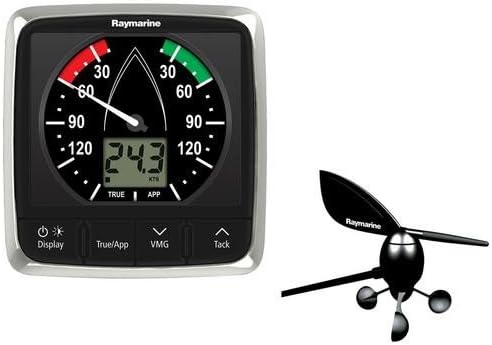
The Raymarine i60 Wind System offers a complete package with both the masthead transducer and display unit. It includes a 30-meter cable, which is suitable for most masts. The display features an analog dial that is easy to read at a glance.
We may earn a commission when you buy through this link, at no additional cost to you.
It provides data on wind speed, direction, and VMG, essential for racing and cruising. The red backlighting ensures visibility at night without blinding the crew. Low power consumption helps preserve battery life on long voyages.
Installation can be complex due to the need to rig the masthead and cable properly. The cost is higher than handheld units, but you get a full marine-grade system. It is a significant investment for serious sailors.
This system is ideal for those needing a permanent, reliable wind solution for their vessel. It offers professional-grade data that is hard to beat. We recommend it for serious sailors and racing teams.
The display provides VMG and tack data, helping sailors optimize their course relative to the wind direction.
The 30-meter cable provides enough length to reach the masthead on most sailing yachts without additional extensions.
We may earn a commission when you buy through this link, at no additional cost to you.
This system represents the pinnacle of Raymarine's wind instrument offerings. The Masthead Wind Vane Transducer is engineered to withstand the harshest marine conditions, ensuring reliable performance over years. It captures wind speed and direction with unparalleled accuracy.
We may earn a commission when you buy through this link, at no additional cost to you.
The display allows for customization of data fields, so you can see exactly what matters to you. Adjusting backlighting allows for easy visibility day or night. The intuitive controls make navigating settings a breeze even for non-tech savvy users.
The high price is the main drawback, reflecting the premium quality and precision. Installation requires careful rigging to avoid damage. However, for those who demand the best data quality, this system delivers.
We recommend this premium system for luxury cruisers and racing professionals. It provides the reliability and data depth needed for serious marine operations. It is an investment in safety and performance.
The transducer is designed to resist saltwater exposure and extreme weather for years of trouble-free operation.
Customizable screen configurations ensure that only the most relevant wind data is displayed for your needs.
We may earn a commission when you buy through this link, at no additional cost to you.
The Mcbazel 3-in-1 Handheld Anemometer offers exceptional value for its price point. It measures wind speed, temperature, and Beaufort scale levels, providing comprehensive data in a simple device. This makes it a great entry-level option for beginners.
We may earn a commission when you buy through this link, at no additional cost to you.
The double-line LCD display shows both speed and temperature simultaneously. The backlight ensures visibility in low-light conditions. It is lightweight and easy to carry, making it perfect for casual sailing or fishing trips.
Build quality is basic compared to marine-grade systems. It is not designed for permanent installation or rough handling. Batteries are not included, so ensure you have them on hand when you receive the device.
This anemometer is ideal for those on a tight budget who still need reliable wind readings. It is a fantastic tool for hobbyists and casual boaters. We recommend it as a secondary backup or primary handheld unit.
Displaying the Beaufort scale helps users quickly assess wind force and its impact on sailing conditions.
At an accessible price point, it offers essential wind measurement features without the premium cost.
We may earn a commission when you buy through this link, at no additional cost to you.
Selecting the right marine anemometer depends on your specific needs, budget, and existing marine systems.
Accuracy is critical for navigation and sail trim. Look for devices with a tolerance of 2% or better to ensure you trust the data. High-quality sensors and calibration play a major role here.
Always choose an anemometer with a verified accuracy rating to avoid misleading wind data.
Decide whether you need a handheld unit or a fixed masthead system. Handhelds are versatile but require manual holding. Fixed systems provide continuous data but need installation and wiring.
Match the mounting type to your sailing style for optimal convenience.
On the water, sunlight can make screens hard to read. Look for backlit displays or high-contrast graphics. Larger screens are easier to read without squinting.
Prioritize models with backlighting for all-weather usability.
Marine environments are harsh with salt and humidity. Ensure the device is water-resistant and built to withstand exposure. Metal components often last longer than plastic ones.
Invest in a robust build to ensure longevity on the water.
If you already have a marine network like Raymarine, choose compatible components. This avoids replacing your entire display unit. Check connector types and protocols carefully.
Verify compatibility with existing hardware before purchasing new parts.
Battery life matters for handheld units. Look for auto-off features to conserve power. For fixed systems, ensure the power draw is low to avoid draining vessel batteries.
Choose a power-efficient device to reduce maintenance needs.
International sailors may need various units like knots or m/s. Choose a device that allows easy switching between units. This simplifies reading data from different sources.
Flexible unit options make the device useful globally.
Features like temperature, humidity, and wind chill add value. These help you understand the full weather picture. However, ensure these do not compromise wind measurement accuracy.
Extra features should complement, not distract from, wind data.
To get accurate readings, hold the handheld anemometer at waist level and avoid blocking the fan with your body. Allow the device a minute to stabilize in the environment before recording data.
For fixed systems, ensure the masthead is mounted clear of obstructions and turbulence from sails or masts. Check connections periodically to prevent corrosion or disconnection.
Store your device in a dry, cool place when not in use. Remove batteries from handheld units if storing for long periods to prevent leakage damage.
A marine anemometer is a device used to measure wind speed and direction on boats. It helps sailors adjust sails and navigate safely. These tools can be handheld or permanently mounted on the mast.
Handheld wind meters can be accurate within 2% to 5% depending on the model. Good quality ones match professional standards for recreational use. Always check calibration ratings before buying.
Yes, handheld meters work for spot checks but are not continuous. They are great for temporary adjustments. For full navigation data, a fixed system is better.
Raymarine systems are reliable and widely used in the marine industry. They offer seamless integration with other instruments. This compatibility makes them a top choice for cruisers.
Calibration often requires sending the device to a service center. Some handheld models have software tools. Always follow the manufacturer's guide for best results.
Obstructions, turbulence, and calibration drift affect accuracy. Place sensors away from sails or masts to reduce interference. Regular maintenance helps keep data reliable.
Advanced systems calculate true wind using boat speed and direction. Basic handhelds measure apparent wind directly. Check specs to see if true wind is calculated.
Choosing the right anemometer depends on whether you need a portable tool or a fixed system. Our top picks offer a range of options for every budget and sailing style.
Focus on accuracy, readability, and durability when making your choice. These factors ensure the device serves you well during critical moments on the water.
Always verify current availability and pricing before purchasing. Products change frequently, so checking the latest details ensures you get the best value.