
Lenovo IdeaPad Slim 3
4.3Editor score
AMD Ryzen 7 5825U
16GB RAM 512GB SSD
Ubuntu Linux Pre-installed
Finding a reliable laptop for Linux can be challenging due to hardware compatibility issues. This guide reviews the best options pre-installed with Linux to save time and ensure smooth operation out of the box.
We compared ten models based on processor power, RAM capacity, storage speed, and display quality. Each pick offers distinct advantages for developers, students, and professionals seeking open-source flexibility.
Each section details key features, pros, and cons to help you decide quickly. Prices fluctuate often so verify current costs before purchasing to ensure you get the best deal available today.
4.3Editor score
5.0Editor score

4.4Editor score
As an Amazon Associate we earn from qualifying purchases.
The following table provides a side-by-side comparison of all ten laptops. It highlights key specifications to help you quickly identify which device meets your specific needs for power performance and portability.




The Lenovo IdeaPad Slim 3 offers excellent value for Linux users needing a reliable daily driver. It comes pre-installed with Ubuntu providing a smooth start without manual installation hurdles.
We may earn a commission when you buy through this link, at no additional cost to you.
Its AMD Ryzen 7 5825U processor delivers strong performance for multitasking and coding. The 16GB RAM ensures applications run smoothly even when multiple tabs and tools are open.
While the display is standard FHD it supports touch input which is rare at this price point. The bundled accessories like the stylus and portable SSD add significant value.
This laptop is ideal for students and developers on a budget who need powerful hardware without paying a premium. It balances cost and capability effectively.
The pre-installed Ubuntu OS guarantees hardware compatibility and immediate usability right out of the box.
Multiple USB ports including HDMI and SD card reader make it easy to connect various peripherals.
We may earn a commission when you buy through this link, at no additional cost to you.
This Lenovo model stands out with its high user rating and latest Intel Core i5 processor. Linux Mint Cinnamon offers a familiar desktop experience for those transitioning from Windows.
We may earn a commission when you buy through this link, at no additional cost to you.
The 16GB RAM handles daily tasks efficiently while the fast charging ensures you stay productive throughout long workdays. The full keyboard includes a dedicated numberpad for data entry.
Storage might be limited at 256GB but cloud options can supplement this. The anti-glare display reduces eye strain during extended coding sessions.
Business professionals seeking a secure and efficient machine will appreciate this choice. It combines enterprise features with open-source software effectively.
Cinnamon provides a classic interface that is easy to navigate for users accustomed to traditional desktop layouts.
The newer Intel architecture offers better battery efficiency and performance per watt than previous generations.
We may earn a commission when you buy through this link, at no additional cost to you.
This variant of the IdeaPad Slim 3 focuses on storage capacity with a massive 1TB SSD. It retains the same powerful Ryzen 7 processor ensuring no compromise on speed.
We may earn a commission when you buy through this link, at no additional cost to you.
The inclusion of a stylus and external SSD makes it perfect for creative professionals and engineers. The touchscreen adds versatility for reviewing designs or presentations.
While the user rating is slightly lower than other models it still offers robust performance. The extra storage removes the need for frequent data management.
Users needing ample local space for datasets or media files will find this configuration superior. It is a well-rounded choice for demanding Linux workflows.
A 1TB SSD provides plenty of room for large projects and system backups without external drives.
Stylus support allows for precise input useful for digital sketching or document annotations.
We may earn a commission when you buy through this link, at no additional cost to you.
This HP model is built for heavy multitasking with a generous 32GB of RAM. The dual storage setup offers both speed and capacity for extensive data management.
We may earn a commission when you buy through this link, at no additional cost to you.
The large 17.3 inch display provides ample screen real estate for code windows and reference documents side by side. It functions well as a desktop replacement.
Although the processor is older the system performance is smoothed out by the high RAM. Linux Mint offers a stable environment for legacy application support.
Developers handling complex environments or VMs will benefit from this high memory capacity. It is a workstation grade machine at a competitive price.
32GB RAM allows running multiple virtual machines and containers without slowdowns.
Combine the speed of SSD with the bulk capacity of HDD for optimal file management.
We may earn a commission when you buy through this link, at no additional cost to you.
This core configuration focuses on essential performance without extra add-ons. The Ryzen 7 processor ensures smooth performance for general computing and light development tasks.
We may earn a commission when you buy through this link, at no additional cost to you.
The touchscreen capability makes navigating files and apps intuitive. Its slim profile makes it easy to carry to lectures or meetings.
While it lacks the bundle extras other variants have it still offers a solid Linux experience. The value proposition remains strong for basic users.
Ideal for students needing a portable Linux machine for note-taking and browsing. It covers all basics without unnecessary bloatware.
Slim design allows easy transport in backpacks without adding significant weight.
Interactive screen improves usability for pinch-to-zoom and direct content selection.
We may earn a commission when you buy through this link, at no additional cost to you.
This budget model offers essential computing capabilities at an affordable price point. While it ships with Windows it is compatible with Linux installations due to standard hardware.
We may earn a commission when you buy through this link, at no additional cost to you.
The lightweight design makes it perfect for travel. 4GB RAM limits heavy multitasking but suffices for web browsing and simple tasks.
Cloud storage integration helps mitigate local storage limitations. Users can easily wipe Windows and install their preferred Linux distribution.
For those willing to tinker this unit provides a cheap entry into Linux computing. It serves well as a secondary device for testing environments.
1TB cloud storage provides ample space for documents without needing large local drives.
Slim profile ensures easy portability for users frequently on the go.
We may earn a commission when you buy through this link, at no additional cost to you.
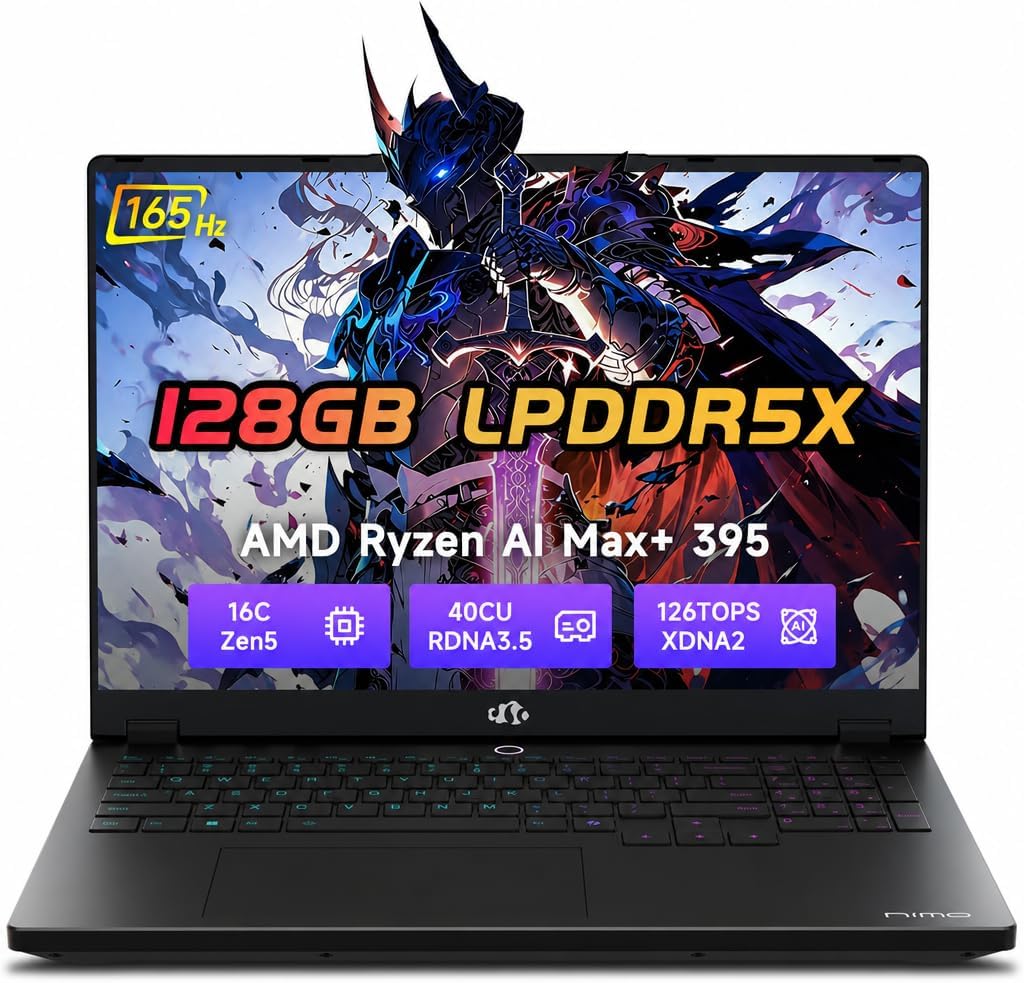
The NIMO 16 is engineered for extreme performance with local AI capabilities. Its 128GB RAM supports running large language models offline securely.
We may earn a commission when you buy through this link, at no additional cost to you.
Developers can fine-tune LLMs like Llama 3 directly on the device. The high refresh rate display ensures smooth visuals for creative workflows and gaming.
While expensive it eliminates the need for cloud computing subscriptions. The 99Wh battery meets travel limits while offering all-day endurance.
This is the top choice for AI researchers needing local processing power. It redefines what a laptop can do in professional AI environments.
Run proprietary algorithms offline ensuring complete data security and privacy.
2.5K 165Hz screen delivers accurate colors and fluid motion for visuals.
We may earn a commission when you buy through this link, at no additional cost to you.
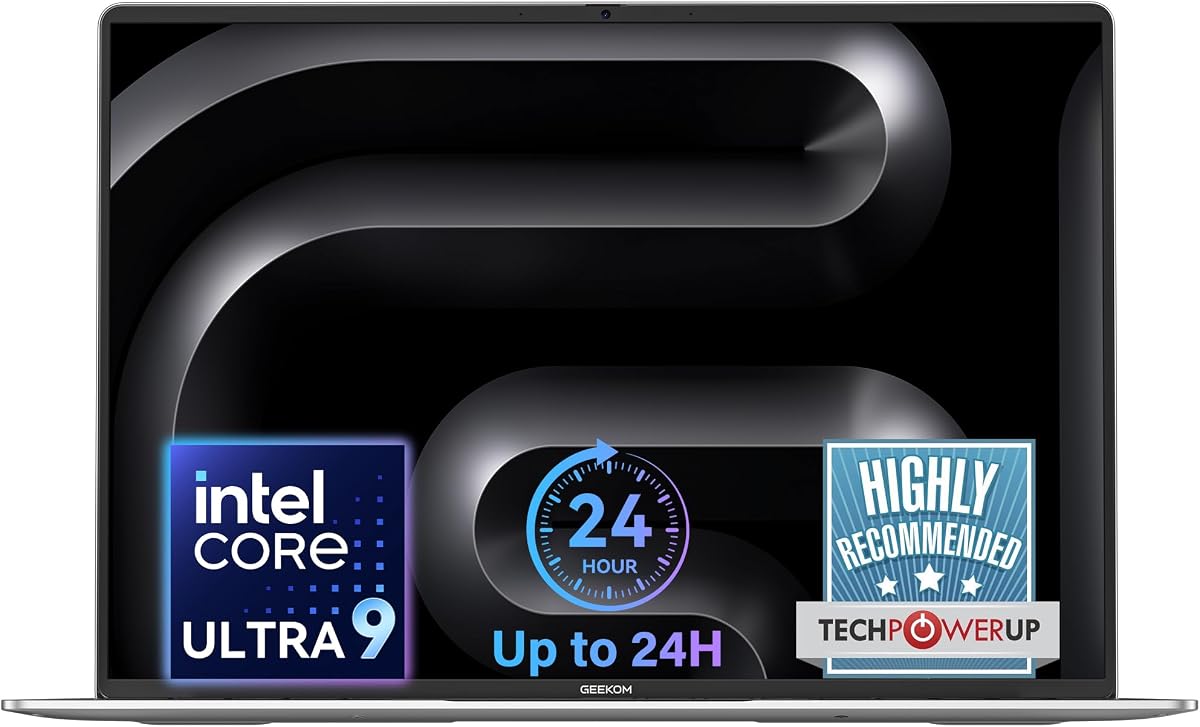
GEEKOM brings reliable quality to this 16-inch model with exceptional battery life. It handles sustained workloads efficiently thanks to advanced cooling technology.
We may earn a commission when you buy through this link, at no additional cost to you.
The Core Ultra 9 offers strong integrated graphics suitable for light video editing. Linux users will appreciate the hardware compatibility when installing their preferred distro.
While shipped with Windows it supports Linux well with standard drivers. The aluminum chassis ensures durability for daily transport to offices or cafes.
This device balances performance and endurance better than many competitors. It is ideal for mobile professionals needing reliable power throughout the day.
Cooling system maintains high performance without throttling during long sessions.
Extended battery life supports uninterrupted work without constant charger reliance.
We may earn a commission when you buy through this link, at no additional cost to you.
This model prioritizes screen real estate with a massive 17.3 inch display. The Ryzen 5 processor provides ample speed for everyday productivity tasks.
We may earn a commission when you buy through this link, at no additional cost to you.
The large screen helps developers monitor multiple windows simultaneously. It serves well as a home office setup with minimal external monitors.
Windows is pre-installed but the hardware supports Linux well. The IPS display ensures good viewing angles for collaborative work.
Users preferring large screens over portability will find this appealing. It offers solid business features at a reasonable cost.
Large screen supports split-screen multitasking for better productivity.
Wi-Fi 6 ensures fast and stable internet connections in busy offices.
We may earn a commission when you buy through this link, at no additional cost to you.
The ThinkPad L14 offers a pure Vanilla Linux experience for enthusiasts. Its business-grade build ensures durability for daily professional use.
We may earn a commission when you buy through this link, at no additional cost to you.
DDR5 RAM provides faster data access for quick compilation and loading. The fingerprint reader adds secure and convenient access to your system.
The keyboard layout requires English stickers but functions perfectly. The 14 inch form factor balances portability with usable screen space.
This is the best choice for security-conscious developers wanting a clean OS. It represents enterprise reliability in an open-source package.
Clean Linux installation avoids bloatware for a focused development environment.
Biometric authentication and physical locks protect sensitive data effectively.
We may earn a commission when you buy through this link, at no additional cost to you.
Selecting the right Linux laptop requires balancing hardware compatibility with performance needs. This guide outlines the critical factors to consider before making a purchase decision.
Ideally choose a laptop pre-installed with Linux to avoid driver issues. Many vendors now offer Ubuntu or Fedora out of the box ensuring seamless setup.
If installing manually verify hardware support on the official Linux distribution pages before buying.
Select a modern multi-core processor for smooth multitasking. AMD Ryzen 7 or Intel Core i5 and above are recommended for coding and running virtual machines.
Higher core counts improve performance when compiling code or rendering video locally.
Aim for at least 16GB of RAM to handle modern browsers and IDEs efficiently. More memory helps when running Docker containers or virtualized environments.
32GB or more is preferred for heavy development or data science tasks.
Prioritize NVMe SSDs for fast boot times and application loading. A minimum of 512GB ensures you have room for projects and system backups.
Larger drives reduce the need for external storage and improve overall workflow speed.
High resolution screens reduce eye strain and allow more code lines visible. Look for IPS panels with at least 1080p resolution for clarity.
Touchscreen functionality adds versatility for navigation and presentations in hybrid setups.
Consider weight and battery life if working from cafes or traveling. Aim for devices offering at least 8 hours of real-world usage.
Slim designs make commuting easier but check thermal performance for sustained loads.
Ensure the laptop has enough ports for peripherals like external monitors and mice. USB-C and HDMI are essential for modern connectivity.
Good Wi-Fi support helps maintain fast internet access in crowded environments.
Robust construction ensures longevity for daily use. Military-grade testing standards indicate durability against drops and spills.
Quality keyboards improve typing comfort during long coding sessions.
Keep your system updated regularly to benefit from security patches and new features. Use package managers to install software efficiently and avoid compatibility issues.
Clean the keyboard and screen gently with a microfiber cloth to maintain clarity. Avoid eating over the device to prevent crumbs from damaging components.
Use a cooling pad during intensive tasks to maintain thermal efficiency. Ensure ventilation openings are not blocked to prevent overheating.
Not all laptops support Linux equally due to proprietary drivers. Generally Intel and AMD hardware works best. Always check hardware compatibility lists before purchasing.
Ubuntu is a popular choice due to its user-friendly interface and extensive support. However alternatives like Linux Mint and Fedora offer different advantages depending on your workflow.
8GB is minimum for basic tasks but 16GB is recommended for development. More RAM ensures smooth performance when running heavy IDEs or multiple applications.
You can install Linux on most Windows laptops but some drivers may require manual setup. Pre-installed Linux machines save time and guarantee compatibility.
Pre-installed Linux models can be cheaper as vendors save on licensing fees. Budget options exist but premium performance often costs similar to Windows equivalents.
Modern multi-core processors like AMD Ryzen 7 or Intel Core i5 are ideal. They provide the power needed for compiling code and virtualization efficiently.
Integrated graphics suffice for coding and web development. Dedicated GPUs are useful for machine learning or gaming but require specific driver configurations.
The best laptop depends on your specific needs and budget constraints. High RAM and strong processors ensure smooth performance for demanding workloads.
Prioritize pre-installed Linux models to save time on setup. Look for features like large screens and ample storage for long-term usability.
Verify current availability and warranty options before finalizing your purchase. Choosing the right machine enhances productivity and satisfaction significantly.