
Zopsc 2 Pack DO Dissolved Oxygen Tester for Smartphones
4.0Editor score
Wireless smartphone connectivity
Weather shielded floating design
Extended battery performance
This guide compares ten top-rated dissolved oxygen sensors 2 for aquaculture and labs, reviewing features, accuracy, and ease of use to help you choose the
Finding the right dissolved oxygen sensors 2 is crucial for maintaining water quality in aquaculture and laboratory settings. These devices measure oxygen levels accurately, ensuring the health of aquatic life and the success of various industrial processes.
We evaluated ten leading models based on their performance, durability, and user feedback. Our comparison highlights key specifications, ease of calibration, and connectivity options to help you make an informed decision for your specific needs.
Each product pick includes detailed features and real-world applications. Please note that prices and availability can change frequently, so checking the latest listings on the retailer website is recommended before making a purchase.
4.0Editor score
4.4Editor score

4.5Editor score
The following table provides a side-by-side comparison of all ten products featured in this guide, highlighting their key specifications to help you quickly identify the best fit for your application.



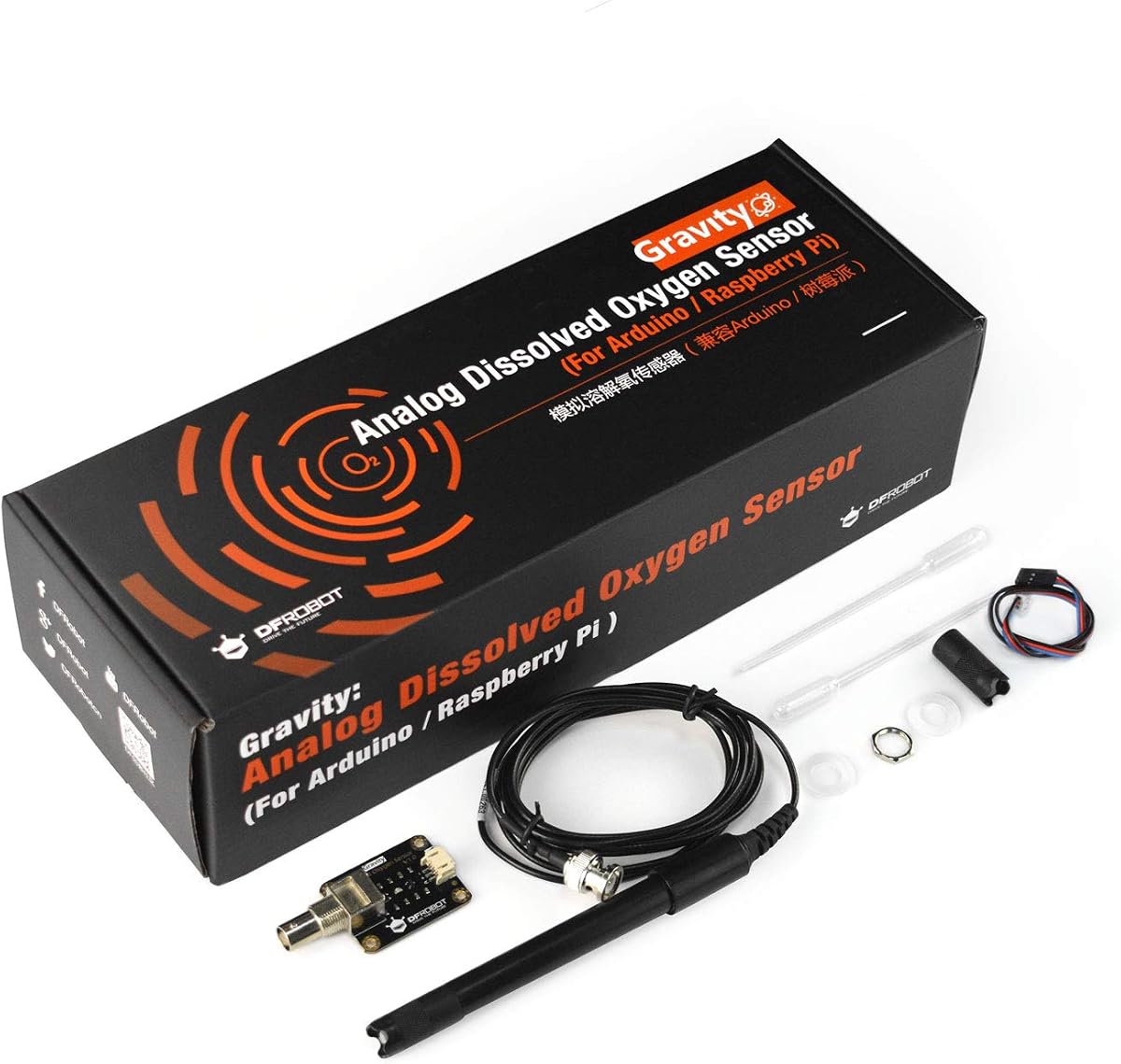
This kit is designed for developers and hobbyists who need reliable water quality monitoring. With a galvanic probe, it offers instant readings without the wait time typical of other sensors. Its compatibility with Arduino and ESP32 makes it a top choice for smart aquaculture systems.
We may earn a commission when you buy through this link, at no additional cost to you.
The hardware filtering ensures a stable signal, reducing the need for complex software processing. The package includes a spare membrane cap, which is a thoughtful addition for long-term projects. The open-source code supports fast calibration, ensuring precision in various applications.
While the filling solution is not included due to shipping regulations, preparing it is straightforward. The requirement for an external ADC module might be a slight hurdle for beginners, but the detailed documentation helps overcome this. These trade-offs are acceptable given the value provided.
This sensor is perfect for engineers building custom IoT devices. Its reliability and ease of integration make it a standout choice for those needing continuous monitoring. We recommend this for anyone looking to automate water quality checks.
The galvanic probe allows for immediate measurements without pre-heating, which is crucial for dynamic environments.
Access to open-source code and documentation simplifies deployment and customization for specific project needs.
We may earn a commission when you buy through this link, at no additional cost to you.
This sensor is built for demanding industrial environments where consistency is key. It delivers accurate results that you can trust for critical water analysis tasks. The design simplifies setup, making it accessible even for those less familiar with technical equipment.
We may earn a commission when you buy through this link, at no additional cost to you.
The materials used ensure long-term reliability, which is essential for reducing downtime. Its user-friendly interface helps minimize errors during operation. Whether for laboratory or environmental applications, this sensor provides the stability needed for professional work.
While the price is higher than some alternatives, the durability and performance justify the investment. The lack of detailed specifications in the product listing might be a drawback for some, but the core performance features are clear. It is a solid choice for professionals.
Ideal for industrial settings, this sensor meets the demands of rigorous testing. Its efficiency and reliability make it a preferred option for facilities needing continuous monitoring. We suggest this for users prioritizing long-term performance.
Built with robust materials, this sensor withstands challenging conditions while maintaining accurate output.
The design improves efficiency by providing stable performance with minimal user intervention.
We may earn a commission when you buy through this link, at no additional cost to you.
This sensor is a staple in laboratory environments requiring precise oxygen measurements. The polarographic technology ensures high accuracy, making it suitable for scientific research. Its compact design allows for easy handling and storage within lab settings.
We may earn a commission when you buy through this link, at no additional cost to you.
YSI is a known name in water quality instruments, and this model lives up to that reputation. The lightweight build makes it convenient for various testing setups. It is designed to integrate seamlessly with compatible meters for optimal performance.
The limitation is that it requires a specific meter to function, which might add to the overall cost. However, for labs already equipped with YSI systems, this is a natural choice. The precision and reliability outweigh the integration requirement.
Researchers and lab technicians will find this sensor invaluable for accurate data collection. Its professional grade quality ensures that results are dependable. We recommend this for those needing high standards in oxygen analysis.
The polarographic method offers high sensitivity, ensuring that even small changes in oxygen levels are detected.
Packaged as a lab supply, it meets the standards required for professional scientific work.
We may earn a commission when you buy through this link, at no additional cost to you.
This meter offers a wide range of testing capabilities beyond just oxygen levels. It measures salinity and barometric pressure, making it a versatile tool for aquaculture and environmental monitoring. The large LCD display ensures that readings are easy to read at a glance.
We may earn a commission when you buy through this link, at no additional cost to you.
Features like 99-data memory and auto temperature compensation enhance its utility for regular testing. The long cable allows for measurements in deeper tanks or ponds without moving the meter. It is designed to be portable and durable for field use.
For users needing basic oxygen checks, this might be more than necessary. The complexity of managing multiple parameters could be overwhelming for beginners. However, the included accessories like membranes and electrolytes make it ready to use out of the box.
This kit is best for those who need detailed water quality data. Its multi-parameter approach provides a holistic view of water conditions. We recommend it for professionals or serious hobbyists managing complex systems.
The memory function allows you to track trends over time, which is useful for long-term monitoring.
The portable design and long cable make it ideal for testing in various locations without hassle.
We may earn a commission when you buy through this link, at no additional cost to you.
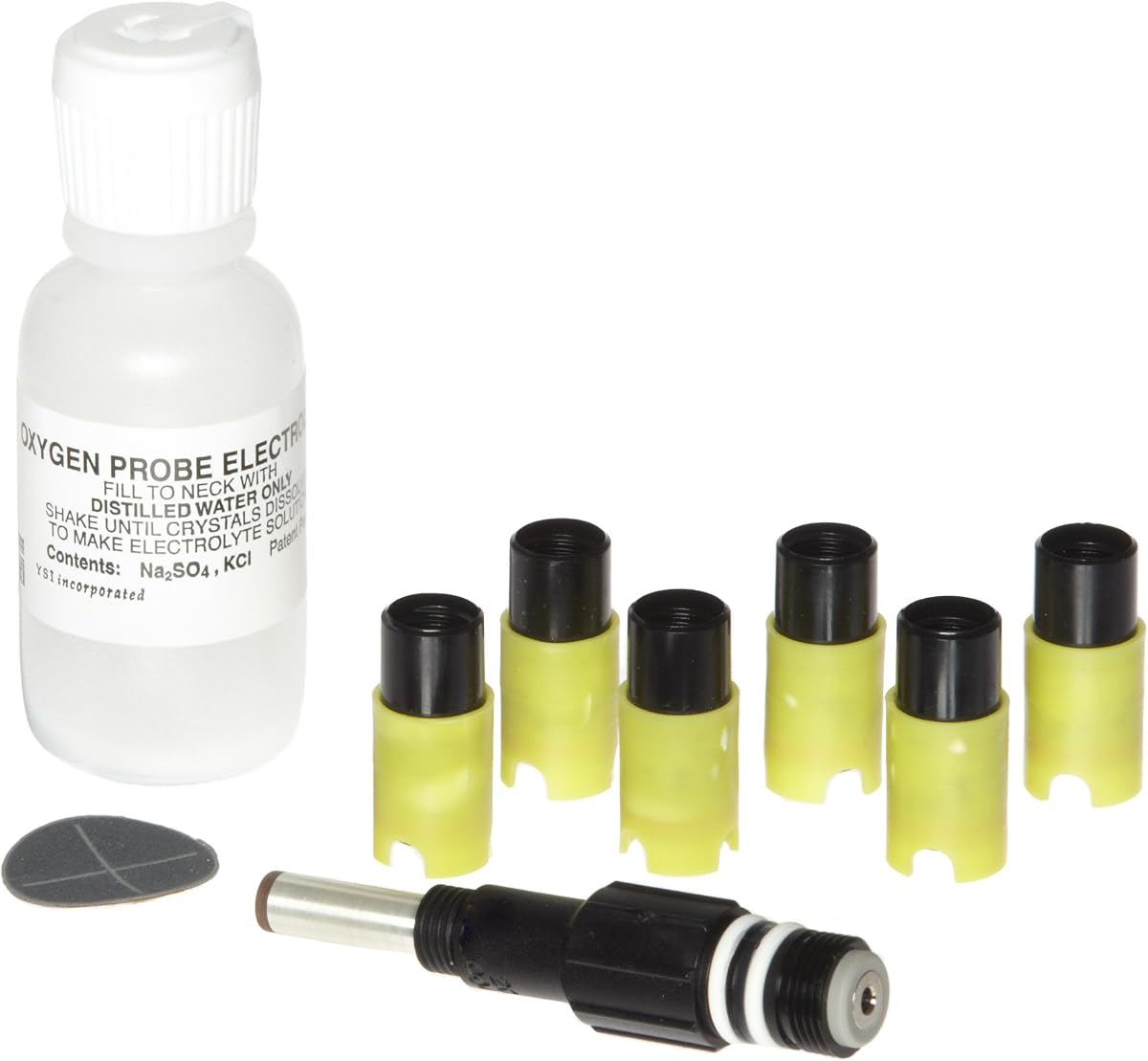
This sensor is praised for its ease of maintenance and user-friendly design. The galvanic technology eliminates the need for complex setup procedures. Users can replace the sensor quickly without any tools, which is a significant convenience for regular maintenance.
We may earn a commission when you buy through this link, at no additional cost to you.
The package includes multiple membrane caps and solution, ensuring that you have what you need to keep the sensor running smoothly. This thoughtful inclusion reduces the downtime associated with consumable replacement. It is a well-designed product for frequent use.
Like other YSI sensors, it relies on a compatible meter, which might limit its standalone utility. The cost of replacement parts can add up over time, but the initial value is high. These factors are manageable for those invested in the YSI ecosystem.
For facilities requiring reliable and easy-to-maintain sensors, this is an excellent choice. Its high rating reflects user satisfaction with its performance and convenience. We recommend this for users who value simplicity and reliability.
The tool-free replacement process significantly reduces maintenance time and effort.
Having extra caps and solution in the package ensures you are prepared for immediate use.
We may earn a commission when you buy through this link, at no additional cost to you.
This tester brings water quality monitoring to the smartphone, making it accessible and convenient. It connects wirelessly, allowing for real-time data transmission without the clutter of cables. The app supports multiple languages, broadening its appeal to international users.
We may earn a commission when you buy through this link, at no additional cost to you.
The floating design ensures it stays visible and safe even in open water. With a long battery life, it can handle extended monitoring sessions. This makes it suitable for both quick checks and longer field trips.
While it relies on an app for full functionality, this is a modern approach that many users prefer. The sensor technology is basic, but sufficient for general water quality checks. The price point makes it an attractive entry-level option.
Tech-savvy users will enjoy the seamless integration with mobile devices. Its portability and ease of use make it ideal for educational or recreational purposes. We recommend this for those looking for a smart and budget-friendly solution.
The wireless connection allows for easy data tracking and sharing directly from your phone.
The lightweight and floating construction ensures it is easy to handle in various environments.
We may earn a commission when you buy through this link, at no additional cost to you.
This kit is designed for professionals who need reliable and accurate measurements in the field. The portable meter is easy to carry, and the automatic temperature compensation ensures consistent results. It comes complete with necessary accessories to get started immediately.
We may earn a commission when you buy through this link, at no additional cost to you.
The screw-on cap membranes make maintenance straightforward and efficient. YSI's reputation for quality is evident in this kit's performance. It offers a high resolution that is critical for detailed water analysis tasks.
The cost is higher than entry-level options, but the accuracy and durability justify the expense. You may need to purchase additional accessories later, but the initial kit covers the basics well. This is a solid investment for serious users.
For labs or environmental agencies needing dependable tools, this kit is a top choice. Its reliability and ease of use make it a standard in many professional settings. We recommend this for those prioritizing quality and precision.
Everything needed for immediate use is included, reducing setup time and confusion.
The simple membrane change process ensures that the sensor remains effective without complex steps.
We may earn a commission when you buy through this link, at no additional cost to you.
This sensor represents the pinnacle of dissolved oxygen measurement technology. Using optical sensing, it avoids the limitations of traditional electrochemical sensors. It is part of the ProDSS system, ensuring seamless integration and advanced data management capabilities.
We may earn a commission when you buy through this link, at no additional cost to you.
The durability of optical sensors means less maintenance and longer operational life. It provides high precision readings that are essential for critical applications. The lack of electrolyte requirements simplifies the user experience further.
To fully utilize this sensor, you need a compatible ProDSS system, which is a significant investment. The price reflects its premium nature, but the performance is unmatched. For users already in the ProDSS ecosystem, it is an essential upgrade.
Research institutions and industrial facilities benefit most from this advanced technology. Its reliability and accuracy set a standard for modern water quality monitoring. We recommend this for those seeking the highest level of performance.
Unlike other sensors, this optical design resists fouling and requires less frequent maintenance.
Designed for the ProDSS system, it offers advanced capabilities that enhance overall monitoring.
We may earn a commission when you buy through this link, at no additional cost to you.
This meter simplifies the calibration process with dedicated buttons for 0% and 100% settings. The modular design allows for easy replacement of the electrode, extending the device's lifespan. It is designed to be robust and portable for field use.
We may earn a commission when you buy through this link, at no additional cost to you.
The fast response time ensures you get results quickly, which is helpful for time-sensitive tests. Automatic temperature compensation means you don't have to manually adjust readings. These features make it a practical choice for regular water testing.
While generally reliable, the battery life and screen clarity may vary based on usage. The modular design is a great feature but requires care during handling. For the price, it offers good value for its intended applications.
Aquarium owners and small scale aquaculture users will find this meter useful for routine checks. Its ease of use and calibration make it accessible for non-experts. We recommend this for those needing a straightforward and reliable tester.
The 2-point auto calibration reduces user error and saves time during setup.
The ability to replace the electrode means the entire device does not need to be replaced.
We may earn a commission when you buy through this link, at no additional cost to you.
This meter offers a broad measurement range, making it suitable for various water conditions. It comes with calibration powder and electrolyte, ensuring you are prepared for immediate testing. The large LCD screen displays all important data clearly.
We may earn a commission when you buy through this link, at no additional cost to you.
Automatic temperature compensation and a built-in sensor help maintain accuracy without extra steps. The package includes spare parts, which is helpful for maintaining the meter over time. It is designed to be user-friendly for different applications.
The battery life may not be as long as some competitors, and the cable length is standard. These factors do not significantly impact its core functionality. For the price, it provides good value with its included accessories.
Users needing a ready-to-use kit with minimal setup will appreciate this meter. Its range and included tools make it versatile for different testing environments. We recommend this for those looking for convenience and completeness.
The inclusion of calibration powder ensures you can start testing right away without extra purchases.
The simple interface and clear display make it easy for anyone to get accurate readings.
We may earn a commission when you buy through this link, at no additional cost to you.
Selecting the right dissolved oxygen sensor 2 depends on several factors including your specific application and budget. Understanding the key features will help you find the most suitable device.
Most sensors use either polarographic, galvanic, or optical technology. Polarographic sensors require polarization time but offer good accuracy. Galvanic sensors are faster and do not need polarization. Optical sensors are durable and require less maintenance.
Choose a technology that fits your usage frequency and maintenance preferences for the best results.
Check the measurement range of the sensor to ensure it covers your needs. Some sensors are designed for low ranges suitable for aquariums, while others handle higher ranges for industrial use.
Ensure the range matches your expected water quality conditions to avoid inaccurate readings.
Calibration is vital for maintaining accuracy. Look for sensors that offer easy calibration methods such as auto 2-point calibration or single-point calibration features.
Easy calibration processes save time and reduce the risk of user error during setup.
Modern sensors may offer Bluetooth or Wi-Fi connectivity for smartphone integration. This allows for real-time data tracking and easier record keeping. Consider if you need wireless features or prefer a standalone unit.
Connectivity options enhance data management but may require app support and battery management.
Waterproof housing and durable construction are essential for field use. Ensure the sensor is designed to withstand the environments where it will be used, such as wet or outdoor conditions.
A robust build protects internal components and extends the lifespan of the device.
Consider how easy it is to replace parts like membranes and electrolytes. Some sensors come with spare parts included which is a plus. Regular maintenance ensures consistent performance over time.
Choose a sensor with accessible maintenance requirements to keep it running efficiently.
Verify that the sensor is compatible with your existing equipment or system. Some sensors work with specific meters or software platforms. This ensures seamless integration and avoids additional costs for adapters.
Compatibility checks prevent issues when using the sensor with other monitoring tools.
Prices vary widely depending on features and brand. Determine a budget that balances cost with necessary features. Entry-level models are affordable but may lack advanced capabilities.
Invest in a model that offers the features you need without unnecessary extras.
Start by calibrating the sensor according to the manufacturer instructions. This typically involves using calibration solutions or air to ensure accuracy. Proper calibration is the first step to reliable measurements.
Insert the probe into the water sample carefully without touching the sides. Allow the reading to stabilize before recording the value. This ensures you capture the most accurate oxygen level.
After each use, rinse the probe with clean water and store it properly. Regular cleaning prevents buildup that can affect performance. Following maintenance guidelines extends the life of your sensor.
Galvanic sensors do not require polarization time and provide instant readings, while polarographic sensors need a pre-heating phase. Galvanic sensors are generally more convenient for quick checks, whereas polarographic sensors may offer higher accuracy in some conditions.
Calibration frequency depends on usage frequency. For frequent use, calibrate daily or weekly. For occasional use, calibrate before each session. Regular calibration ensures consistent accuracy in your readings.
Yes, many of these sensors are designed to handle both freshwater and saltwater. However, you should verify the specific model's specifications for salinity compensation. Proper compensation is necessary for accurate readings in saltwater environments.
Fluctuations can be caused by temperature changes or movement of the probe. Ensure you have automatic temperature compensation enabled. Keeping the probe still during measurement helps stabilize the reading.
A slow response time may indicate a need for calibration or a dirty probe. Clean the sensor thoroughly and recalibrate. If the issue persists, check for damage or wear on the membrane.
Some sensors use standard calibration solutions like zero oxygen and 100 percent air saturation. Check your product manual for specific requirements. Using the correct solution ensures proper calibration for your device.
In this guide, we explored ten top dissolved oxygen sensors 2, each offering unique benefits for different needs. From budget-friendly options to professional grade devices, there is something for everyone.
When choosing, prioritize factors like accuracy, maintenance, and connectivity. Consider how the sensor fits into your workflow and what features are most important for your specific application.
Prices and availability can change, so always check the latest listings before purchasing. Investing in the right sensor ensures you maintain the best water quality possible for your projects.