
Windows 11 Laptop with i3 Processor
4.5Editor score
Intel Core i3 processor
12GB RAM included
15.6 inch FHD display
Compare top laptops for engineering students to find reliable models with strong performance, battery life, and ports for CAD, coding, and coursework demands.
Engineering students need powerful tools to handle CAD software coding tasks and simulations. A good laptop balances performance with portability to support long study sessions in labs and libraries without overheating or draining battery too quickly.
We evaluated ten current models based on processor speed memory capacity display quality and connectivity options. Our analysis focuses on real-world usability for technical workloads while keeping affordability in mind for typical student budgets this academic year.
Each pick highlights specific strengths like battery endurance screen clarity or expansion slots. Prices fluctuate often so check current listings before purchasing. Use these insights to match a device with your major requirements and daily carry needs.
4.5Editor score

4.6Editor score

4.6Editor score
This table compares the ten selected models side by side. Review processor cores, memory, storage, and screen size to see which device fits your engineering workload and budget constraints most effectively.


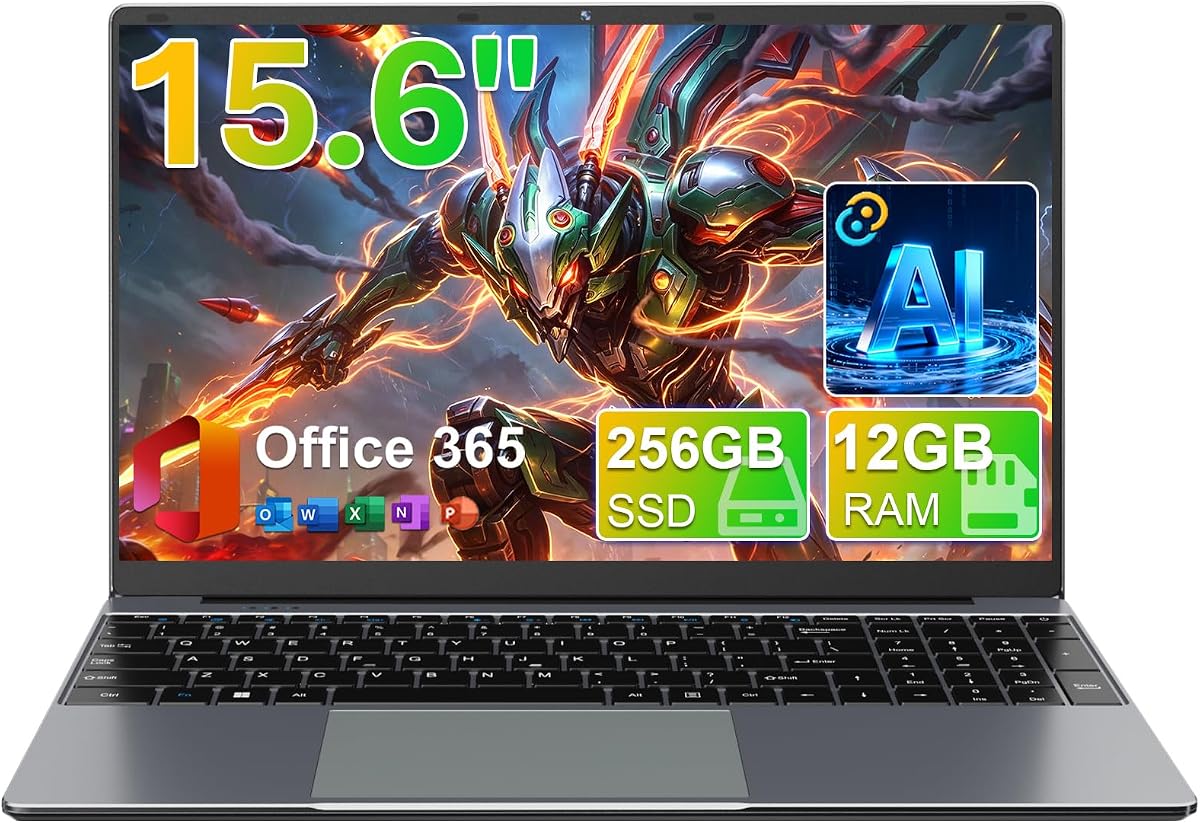


This model offers an accessible entry point for students needing basic reliability. It holds a strong rating for daily productivity and classroom tasks without breaking the bank.
We may earn a commission when you buy through this link, at no additional cost to you.
The 12GB RAM handles multitasking well for web browsing and document work. Connectivity includes multiple USB ports and HDMI for external displays used in lectures.
Integrated graphics limit heavy CAD rendering but suffice for lighter design tools. Storage is expandable via TF card slot up to 2TB for project archives.
Ideal for undergraduates focusing on coursework rather than heavy engineering simulations. Check current deals to confirm if this matches your immediate needs.
Suitable for standard assignments and note taking across multiple days.
Supports TF card expansion to keep files organized without clutter.
We may earn a commission when you buy through this link, at no additional cost to you.
A compact choice with included productivity tools for immediate use in class. It balances portability with enough speed for standard schoolwork efficiently.
We may earn a commission when you buy through this link, at no additional cost to you.
The N150 processor provides quick startup and smooth web browsing. Battery life supports full day use between lectures without hunting for outlets.
S mode restricts app installations but can be switched out if needed. Storage is limited but USB drives or cloud options help bridge the gap.
Best for students prioritizing weight and battery over raw processing power. Verify app compatibility before committing to specific software requirements.
Includes Microsoft 365 for one year to save initial costs.
Light frame makes it easy to carry in backpacks daily.
We may earn a commission when you buy through this link, at no additional cost to you.
This unit stands out for massive storage and memory at a low cost. It targets students needing file space and multitasking capability on a budget.
We may earn a commission when you buy through this link, at no additional cost to you.
The 16GB RAM helps with several apps open at once. The docking station provides extra ports for connecting peripherals easily.
Celeron performance may lag under heavy engineering loads like rendering. Screen resolution is standard but adequate for text and basic graphics.
Good for administrative or general major students needing document space. Verify processor needs before using for complex simulations.
Set includes extra ports for connecting multiple external devices.
RAM ensures smoother switching between browser tabs and tools.
We may earn a commission when you buy through this link, at no additional cost to you.
A clean design with AI features for assistance during research tasks. It fits well for general study and light productivity needs reliably.
We may earn a commission when you buy through this link, at no additional cost to you.
Copilot integration helps draft emails and summarize notes quickly. Ports include USB-C with DisplayPort for external monitor setups.
RAM and storage are low for engineering apps. Consider cloud storage or external drives for larger datasets.
Suits students who need a secondary device for notes. Evaluate primary workstation needs before relying solely on this.
Dedicated Copilot key provides quick access to helpful tools.
Noise reduction improves call clarity during remote lectures.
We may earn a commission when you buy through this link, at no additional cost to you.
This model features an IPS display and AI tools for student work. It supports sharing screens easily due to the wide hinge.
We may earn a commission when you buy through this link, at no additional cost to you.
The hinge allows laying flat for group presentations or collaboration. Battery capacity supports long library sessions without plugging in.
Processor is older so expect slower boot and load times. Ports are limited but cover common connections like HDMI.
Great for presentation-heavy majors needing good screen angles. Check speed expectations for coding environments.
Wide hinge makes sharing screen easier during study groups.
High capacity battery lasts through multiple classes uncharged.
We may earn a commission when you buy through this link, at no additional cost to you.
A lightweight option with modern connectivity and AI assistance built in. It handles day-to-day tasks smoothly while staying easy to carry.
We may earn a commission when you buy through this link, at no additional cost to you.
The SD card slot allows quick expansion for file storage. Wi-Fi 6 ensures stable connections in crowded campus networks.
RAM is low for multiple engineering applications simultaneously. Cloud solutions help extend usable capacity for projects.
Best for students prioritizing carry weight over heavy processing. Review software requirements before purchase to ensure compatibility.
Wi-Fi 6 keeps downloads fast even in busy locations.
SD card reader provides extra space without bulky docks.
We may earn a commission when you buy through this link, at no additional cost to you.
This is the top performer for heavy technical workloads among current options. It offers high-speed processing and memory suitable for complex software.
We may earn a commission when you buy through this link, at no additional cost to you.
The 10-core i7 handles multi-threaded tasks efficiently. 24GB RAM ensures smooth operation across multiple applications at once.
Price is higher but justified for long-term performance. Build quality meets military standards for durability during travel.
Ideal for engineering students running simulations or heavy coding. Verify budget and portability needs before committing.
Multi-core CPU supports demanding software like CAD reliably.
Military grade testing ensures device withstands regular wear.
We may earn a commission when you buy through this link, at no additional cost to you.
A standard notebook for students prioritizing portability and battery life. It includes modern AI tools and connectivity for daily tasks.
We may earn a commission when you buy through this link, at no additional cost to you.
Micro-edge bezels maximize screen area within a compact body. Battery life supports full school days without interruption.
HD resolution is adequate for text but limits detailed visuals. RAM remains low for advanced engineering apps.
Suitable for general studies where weight is a priority. Check technical software requirements for compatibility.
Bezel design offers more visible area on a compact frame.
Long runtime keeps you productive through all classes.
We may earn a commission when you buy through this link, at no additional cost to you.
A mid-range option with solid processing for general engineering coursework. It focuses on typing comfort and eye protection features.
We may earn a commission when you buy through this link, at no additional cost to you.
The numeric keypad helps with data entry and math work. ComfortView software reduces blue light for extended study hours.
Onsite service offers peace of mind for hardware issues. Hinge design limits keyboard tilt angle for ergonomics.
Good balance of performance and support. Verify ergonomic needs before purchase.
Software filter reduces strain during long viewing sessions.
Onsite service saves time if hardware needs repair.
We may earn a commission when you buy through this link, at no additional cost to you.
This laptop offers a spacious screen for multitasking and diagrams. It runs Windows Pro for enhanced security and management features.
We may earn a commission when you buy through this link, at no additional cost to you.
The 17-inch display provides ample space for side-by-side coding. Fast charging restores significant battery power in minutes.
Size reduces portability for daily campus carry. AMD processor balances speed and efficiency well.
Best for stationary work or shared lab setups. Consider weight before regular transport.
Wide screen allows multiple windows open simultaneously.
Windows 11 Pro adds enterprise level protections.
We may earn a commission when you buy through this link, at no additional cost to you.
Selecting the right laptop involves matching hardware to your specific major demands and budget.
Engineering tasks often require multi-core CPUs to handle simulations and compilation. Look for at least four cores with strong single-thread speeds for responsive performance.
Prioritize processors with Turbo Boost to sustain speed during intensive workloads.
RAM determines how many applications run smoothly at once. Most engineering software benefits from 16GB or more to avoid lag when multitasking.
Aim for 16GB minimum to ensure longevity as software demands grow.
Solid State Drives provide fast boot times and file access. NVMe SSDs are preferred over SATA for large datasets and project files.
1TB is a comfortable target to store large files without external drives.
A clear display helps with detailed schematics and coding. IPS panels offer better viewing angles and color accuracy for design work.
Full HD resolution is the minimum; higher quality panels reduce eye strain.
Multiple ports allow connecting external monitors, mice, and storage drives. USB-C with DisplayPort support adds flexibility for dual-screen setups.
Check for HDMI and USB-A if you use legacy peripherals regularly.
Long battery ensures you stay productive without hunting for outlets. Aim for seven hours or more of mixed use on campus.
Faster charging technology helps you top up quickly between classes.
Weight impacts how easy it is to carry around campus daily. A lighter chassis reduces fatigue but may compromise durability or battery.
Balance weight and build quality based on your daily commute needs.
Engineering laptops vary widely in cost depending on specs. Set a realistic budget that meets core performance needs first.
Consider value models that offer enough power without unnecessary costs.
Keep the keyboard and screen clean with a microfiber cloth and light solution. Avoid eating or drinking near the device to prevent spills.
Store the laptop in a padded sleeve inside your backpack to protect against bumps. Ensure vents remain unobstructed to prevent overheating during heavy tasks.
Use power management settings to extend battery life when not near a charger. Close unused apps to reduce heat and conserve energy efficiently.
Basic CAD may run but performance will lag with complex assemblies. Upgrade to 16GB if possible for smoother operation and future-proofing your workflow.
Not necessarily for most coursework, but rendering or gaming helps if you have extra budget. Integrated graphics work fine for standard coding and documentation tasks.
Larger screens help with multitasking and viewing detailed diagrams. A 15-inch minimum is recommended to comfortably split windows for code and references.
Most engineering software requires Windows or Mac environments. Avoid Chromebooks unless you only need basic web tools and cloud-based applications.
With proper care and enough power, it should last through a four-year degree. Choose models with at least 8GB RAM and durable builds to extend lifespan.
Windows Home usually suffices unless you need specific network features. Windows Pro adds security controls but may cost more for the same hardware specs.
The Lenovo i7 model leads for raw performance while budget picks like the i3 Windows 11 laptop serve basic coursework well. Evaluate which features align with your major demands.
Prioritize RAM and storage speed over flashy extras since reliability matters more in labs. A balanced approach ensures you can handle simulations without constant lag.
Prices change often so check current listings for the best deals before buying. Your ideal choice depends on balancing power, portability, and total cost for your needs.