
Proster LCR Meter
4.5Editor score
Affordable price point
Rotatable LCD screen
Complete test kit
This guide compares the top Lcr Meter options for accuracy, speed, and features to help you choose the best component tester for your needs.
Finding the right Lcr Meter is essential for electronics enthusiasts and professionals alike. Whether you are troubleshooting circuits or testing components, precision matters. A good meter provides reliable readings for inductance, capacitance, and resistance without error.
We compared ten top-rated models based on accuracy, features, and user feedback. Each option offers unique strengths for different budgets and use cases. Our analysis highlights key specifications to help you make an informed decision today.
Each pick below shows real capabilities and verified ratings from users. We focus on performance, usability, and value across the board. Remember that prices fluctuate often, so check current listings before buying your next tool.
4.5Editor score

4.7Editor score

4.4Editor score
This table provides a side-by-side look at all ten models. Compare key specifications like accuracy, frequency range, and display type to find the perfect match for your workflow.

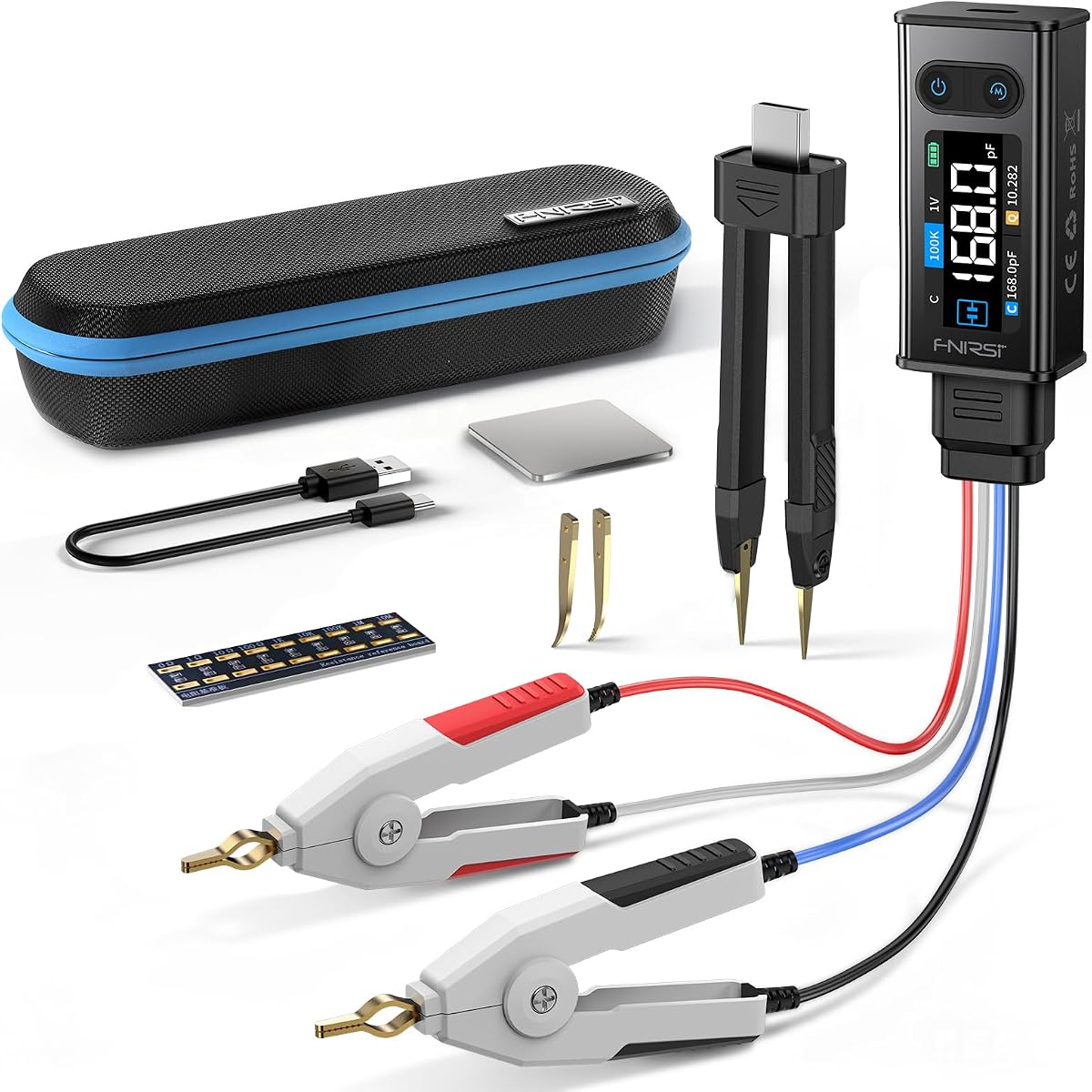


The FNIRSI LC1020E stands out as a top contender for modern electronics testing. It offers a high-resolution display and fast response times. This meter is ideal for those who need both speed and accuracy.
We may earn a commission when you buy through this link, at no additional cost to you.
Its dual parameter display allows simultaneous viewing of main and secondary values. You can see resistance and quality factor at once. The sorting mode helps quickly identify components within tolerance limits.
Some users note that calibration is required before every session. This adds a small step but ensures precision. The battery life is strong and the case is compact.
Choose this if you want a reliable handheld LCR Meter. It balances features and cost well. It is perfect for repair shops and advanced hobbyists needing professional tools.
View primary and secondary metrics simultaneously to save time during complex tests.
Automatically flag components based on preset tolerance for faster production testing.
We may earn a commission when you buy through this link, at no additional cost to you.
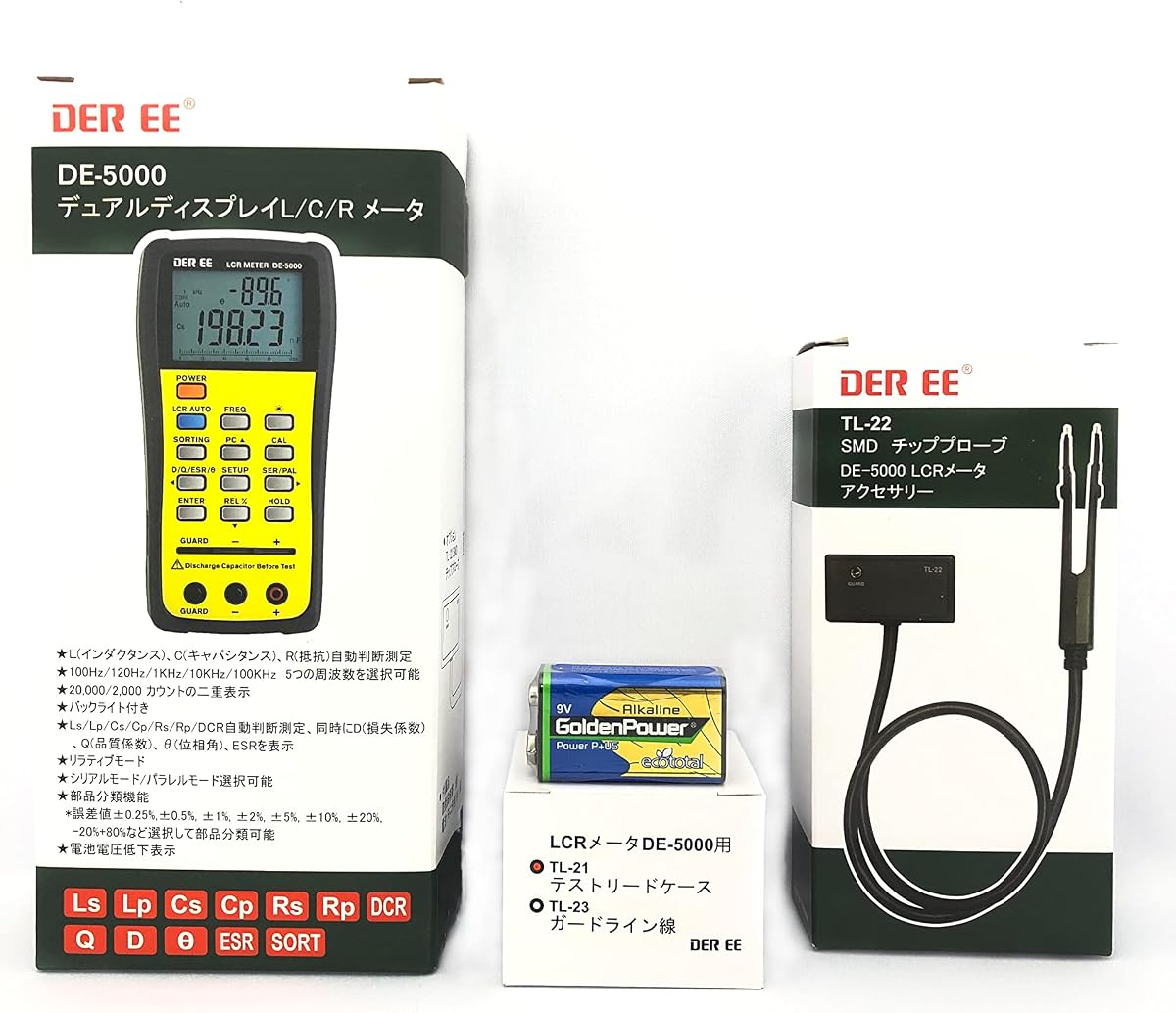
The DE-5000 is a classic choice known for its versatility. It handles a wide range of components with ease. Its auto-ranging feature simplifies the testing process significantly.
We may earn a commission when you buy through this link, at no additional cost to you.
You can measure inductance capacitance and resistance directly. The sorting function is useful for bulk testing. It supports multiple frequencies to suit different component types.
The lack of a backlight might be an issue in low light. It is also slightly heavier than some newer models. But the build quality is robust.
This model suits technicians who value reliability over flashy features. It provides solid data for repairs. It remains a trusted tool in many workspaces today.
Eliminate manual range selection to speed up your daily testing workflow.
Select from five frequencies to match the specific requirements of your device.
We may earn a commission when you buy through this link, at no additional cost to you.
The MATRIX MCR5200 is designed for serious lab environments. It offers outstanding accuracy for precise measurements. The digital bridge design ensures stable and reliable readings every time.
We may earn a commission when you buy through this link, at no additional cost to you.
Its connection ports allow easy data transfer to computers. You can save test results for analysis later. The display is large and easy to read.
This unit is not portable due to its size. It requires a dedicated workspace and power source. The price reflects its professional-grade capabilities.
Ideal for R&D teams or quality control labs. It delivers precision needed for high-stakes testing. Invest in this if accuracy is your top priority.
Export test results via USB or RS232C for detailed report generation.
Trust 0.1% basic accuracy for critical component validation tasks.
We may earn a commission when you buy through this link, at no additional cost to you.
This version comes as a complete kit with essential accessories. You get test leads and a case right out of the box. It is ISO certified for professional standards.
We may earn a commission when you buy through this link, at no additional cost to you.
The high-resolution display offers clear readings. You can switch between series and parallel modes easily. The relative mode helps with differential measurements.
Setting up the device might take some time initially. It has many features that require learning. But once configured, it works smoothly.
Great for users who want a full package ready to use. It supports thorough testing needs. It is a solid choice for field technicians.
Save time by receiving all necessary leads and a case with your purchase.
Read precise values easily on the bright and detailed display screen.
We may earn a commission when you buy through this link, at no additional cost to you.
The Proster model offers great value for beginners. It covers basic inductance capacitance and resistance needs. The price makes it accessible for everyone.
We may earn a commission when you buy through this link, at no additional cost to you.
The rotatable LCD is a unique feature. It allows comfortable viewing from any angle. The kit includes all essential test leads.
It lacks advanced features like high-speed sorting. The resolution is lower than premium models. But it works well for simple tasks.
Perfect for students or hobbyists on a tight budget. It teaches the basics of component testing. It is a cost-effective entry into electronics.
Adjust the screen angle to find the best viewing position comfortably.
Get reliable testing results without spending a lot of money.
We may earn a commission when you buy through this link, at no additional cost to you.
This unit is designed for tiny components like SMD parts. The tweezer form factor makes it easy to handle. It is perfect for detailed work.
We may earn a commission when you buy through this link, at no additional cost to you.
The rechargeable battery ensures long use between charges. The magnet lets you stick it to metal surfaces. This saves workspace on your bench.
The screen is small and might need close reading. It is less precise than larger benchtop units. But it excels in portability.
Ideal for mobile repair techs or small workshops. It handles SMD testing efficiently. It is a handy addition to any toolkit.
Test small surface mount parts quickly without manual probe connections.
Secure the meter on metal surfaces to free up your workspace.
We may earn a commission when you buy through this link, at no additional cost to you.
The Peak Atlas offers high resolution for detailed readings. It supports frequencies up to 200kHz. This makes it suitable for RF testing.
We may earn a commission when you buy through this link, at no additional cost to you.
The menu system is user-friendly. You can switch modes without confusion. The hold function is handy for recording values.
It lacks some advanced sorting features found in others. The display is basic but functional. It is robust and reliable.
Good for hobbyists needing specific frequency capabilities. It provides solid performance for impedance testing. It is a solid value overall.
See minute changes in values with 0.2uH resolution for precision.
Navigate settings easily with a straightforward menu design.
We may earn a commission when you buy through this link, at no additional cost to you.
This deluxe unit offers a dual display for better views. The backlight helps in dark environments. It includes an AC adapter for convenience.
We may earn a commission when you buy through this link, at no additional cost to you.
The mini USB interface allows for data connection. The build is compact but feels sturdy. It supports basic LCR needs well.
Setup can be complex for first-time users. The weight is higher than expected. But it offers good utility.
Suitable for labs needing a reliable dual view tool. It provides clear readings in low light. It is a professional choice.
Read values easily in dimly lit rooms with the bright backlight.
Compare two values at once with the dedicated dual screen design.
We may earn a commission when you buy through this link, at no additional cost to you.
The Extech model includes a built-in fixture for stability. This makes testing simpler and more repeatable. The display shows counts clearly.
We may earn a commission when you buy through this link, at no additional cost to you.
Open and short calibration removes stray impedance. Auto power-off saves battery life. The low battery indicator prevents interruptions.
The fixture might limit access to tight spaces. The interface is simple and lacks advanced tools. It is effective for standard tests.
Choose this for quick passive component checks. It offers good stability for repeat tests. It is a reliable choice for basic needs.
Secure components in place for consistent and repeatable measurements.
Ensure accuracy by eliminating stray impedance through calibration modes.
We may earn a commission when you buy through this link, at no additional cost to you.
This model stands out with high accuracy levels. It includes smart tweezers for SMD work. The lifetime support offers peace of mind.
We may earn a commission when you buy through this link, at no additional cost to you.
The diode testing function adds value. Five test frequencies cover most needs. It is compact and portable.
The range might be limited for large components. The interface is straightforward but basic. It focuses on core features.
Ideal for precise SMD component verification. It combines accuracy with support. It is a strong tool for professionals.
Trust 0.1% accuracy for critical component validation tasks.
Use integrated tweezers for efficient testing of small parts.
We may earn a commission when you buy through this link, at no additional cost to you.
Selecting the right LCR Meter involves several key factors. Understanding these will help you find a model that fits your budget and needs.
Accuracy determines how close your measurement is to the true value. For professional work, look for 0.1% or better accuracy. Lower accuracy models might suffice for hobbyist tasks.
Prioritize accuracy based on your tolerance requirements.
Different components react differently at various frequencies. High-frequency testing is vital for RF circuits. Ensure the meter covers the range you need often.
Check if the device supports multiple frequencies for flexibility.
A clear display is essential for reading values accurately. Look for backlighting if you work in dim areas. High resolution helps when dealing with small decimal changes.
Opt for a display with enough detail to avoid errors.
Handheld units offer convenience for fieldwork. Benchtop models provide more power and stability. Decide if you need to move the tool or keep it stationary.
Choose form factor based on where you work most.
Modern meters often include USB or RS232C ports. These allow data logging to computers for analysis. If you need to track results over time, ensure connectivity is available.
Look for ports that match your data workflow.
Features like diode testing or capacitance ranges add value. Sorting modes help in production testing. Consider what extra capabilities you might need beyond basics.
Select a model with features relevant to your projects.
Long battery life ensures you can work without interruption. Rechargeable batteries offer convenience over disposable ones. Check battery specs before buying.
Ensure power source matches your usage habits.
Robust construction protects against drops and spills. Look for durable cases or protective casings. A sturdy device lasts longer in tough environments.
Invest in build quality for long-term reliability.
Always start by calibrating your meter using the open and short function. This ensures your readings are accurate before testing components.
Connect the leads securely to the component terminals. Avoid touching metal parts during measurement to prevent interference.
Store your meter in a dry place to protect electronics. Keep leads organized to avoid damage over time.
An LCR meter measures inductance capacitance and resistance with higher precision. Multimeters focus on general voltage current and resistance. LCR meters provide secondary values like quality factor.
Calibrate before each session or daily for best results. If you use it heavily, daily is better. Calibration removes errors and ensures data integrity.
Generally no, components should be isolated first. Testing in-circuit leads to inaccurate readings. Disconnect at least one side for proper testing.
The quality factor indicates how efficient an inductor is. A high Q means low resistance loss. It is crucial for RF and high-performance applications.
Components behave differently at various frequencies. Some capacitors vary at high rates. Matching frequency ensures realistic operational testing.
Yes, high-end handhelds offer professional accuracy. They are convenient for fieldwork. Benchtop units are better for lab consistency.
Some units include Kelvin clips for four-terminal testing. This reduces lead resistance errors. Use provided leads for best accuracy.
Most meters show main and secondary values on screen. You can toggle between parameters. Secondary data gives deeper insight into component health.
We reviewed ten models ranging from budget to professional grade. The FNIRSI LC1020E leads as an all-around winner. Others like the Proster offer value for beginners.
Prioritize accuracy and frequency range based on your needs. If you work with SMD parts, a tweezer meter helps. For labs, a benchtop model ensures stability.
Prices change often so verify listings before buying. We hope this guide helps you select the right tool. Happy testing and good luck with your projects.