
VIVOSUN AeroDrain D12
4.3Editor score
Up to 12L/day removal
Vivosun smart ecosystem
Tool-free installation
Discover the top dehumidifiers for grow tents in this comprehensive guide. We compare ten leading models to help you maintain perfect humidity levels for your
Managing humidity inside a grow tent is critical for healthy plant growth and successful harvests. High moisture can lead to mold, mildew, and root rot, while low humidity stunts development. Choosing the right dehumidifier ensures your environment stays within the ideal vapor pressure deficit range for optimal photosynthesis.
We evaluated ten distinct dehumidifiers based on capacity, noise levels, smart features, and suitability for enclosed grow spaces. Our analysis focuses on units that can handle the specific heat and moisture loads generated by grow lights and transpiring plants without disrupting the delicate climate balance.
Each pick highlights specific strengths like precision control, energy efficiency, or compact design for tight spaces. Note that product availability and pricing can change frequently, so check current listings before making your final decision to ensure you get the best value for your setup.
4.3Editor score

3.8Editor score
4.3Editor score
This side-by-side comparison highlights the key specifications and capabilities of each selected dehumidifier. Review these details to find the model that best matches your tent size, budget, and specific environmental control requirements for optimal plant health.


The AC INFINITY HYDRONE 5 stands out as a specialized tool for growers needing precise humidity management. With a rating of 3.8, it offers unique features like PWM control that allow for distinct drying levels not found in standard units. This level of granularity is essential for maintaining specific vapor pressure deficit targets.
We may earn a commission when you buy through this link, at no additional cost to you.
Its proprietary motor enables instant on-off responses, ensuring rapid adjustments when humidity spikes during the flowering stage. The exhaust port allows you to duct dry air directly into the tent while keeping the motor heat outside, a critical feature for temperature-sensitive crops. Integration with smart controllers means you can automate these changes via WiFi.
While highly effective, it is designed for smaller setups with 2-3 plants, which may limit scalability for larger operations. The complexity of setup with smart controllers might also be daunting for beginners looking for a simple plug-and-play solution. However, for serious growers focused on data and automation, these trade-offs are acceptable.
Growers who prioritize exact environmental control and automation should consider this unit for their setup. It is best suited for hobbyists or small commercial growers who need to manage humidity without compromising temperature stability inside the tent. Check current availability to ensure compatibility with your existing smart ecosystem.
The 10 distinct drying levels provide unmatched granularity for adjusting humidity based on plant stage without manual intervention.
Compatible with outlet controllers allows for automated climate management and real-time alerts via the app.
We may earn a commission when you buy through this link, at no additional cost to you.
The VIVOSUN AeroDrain D12 is a robust option for those needing significant moisture removal power. With a 4.3 rating, it supports up to 12 liters of daily removal, making it suitable for tents up to 5×5 feet. It is designed to maintain perfect grow room conditions with high-precision sensors for temperature and humidity monitoring.
We may earn a commission when you buy through this link, at no additional cost to you.
Its smart control features allow seamless integration with the Vivosun Smart Grow System, enabling automated synchronization with lights and fans. Tool-free installation and mobility features like caster wheels make it easy to position and service. Safety features include auto shutoff when the tank is full and automatic restart after power outages.
The premium price and larger size may be a barrier for smaller setups or budget-conscious growers. While the ecosystem benefits are high, it requires specific Vivosun devices to fully utilize the synchronization features, which could increase overall system costs. However, for users invested in that ecosystem, it offers significant operational benefits.
Growers looking for a powerful, connected solution for larger tents will find this unit valuable. It is ideal for those who want hands-free operation and reliable performance in varying ambient conditions. Verify current stock levels to ensure compatibility with your specific tent size needs.
Connects to Vivosun app for remote control and automatic synchronization with other smart grow devices.
Removes up to 12 liters of moisture daily with a high-efficiency compressor for rapid humidity reduction.
We may earn a commission when you buy through this link, at no additional cost to you.
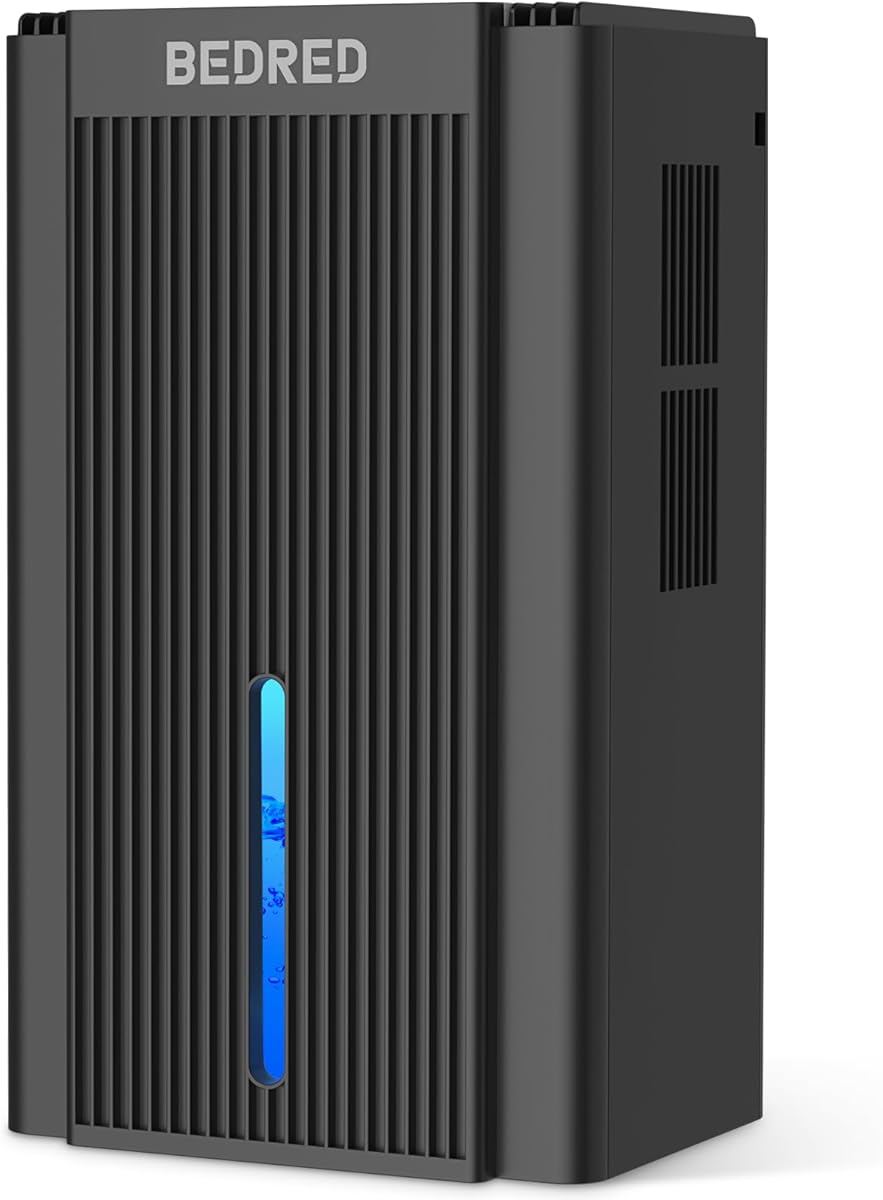
The BEDRED Dehumidifier offers a cost-effective solution for maintaining dry environments with a 4.3 rating. It uses semiconductor cooling to reduce humidity and features intelligent auto-shutoff when the tank is full. Its compact design fits seamlessly into living spaces, making it suitable for smaller grow areas or drying closets.
We may earn a commission when you buy through this link, at no additional cost to you.
The device includes a sleep mode that quiets the fan and turns off lights for undisturbed rest, which is useful for rooms adjacent to grow spaces. It also features a 7-color ambient light that can enhance the room atmosphere. Despite being a home unit, it provides reliable moisture control for moderate spaces up to 1000 sq ft.
This unit lacks the high capacity and specialized features needed for larger commercial grow tents. Without smart controls or ducting options, it relies on passive placement, which might be less effective in tightly sealed environments. However, for small setups or budget-limited growers, it offers a simple and quiet solution.
Growers needing a quiet, affordable option for small tents or drying areas will find this unit practical. It is best for those who prefer manual control over complex smart features. Check current pricing and availability to confirm it meets your capacity needs before purchase.
Sleep mode turns off lights and minimizes noise for undisturbed operation during the night.
Sleek design with ambient lighting blends into living spaces while maintaining a drier environment.
We may earn a commission when you buy through this link, at no additional cost to you.
This compact dehumidifier is designed specifically for tight spaces like grow boxes, incubation chambers, and small cabinets. It uses active condensation rather than passive absorbers, offering superior efficiency without consumables. The external humidity sensor provides real-time monitoring to keep moisture levels within desired ranges effectively.
We may earn a commission when you buy through this link, at no additional cost to you.
Setup is straightforward with a flexible drainage hose for easy water removal. The unit supports both AC and DC power, making it versatile for different electrical setups in enclosed areas. Automatic operation allows the device to stop when humidity falls below a preset minimum, ensuring consistent protection for equipment and plants.
While effective for small spaces, it is not suitable for large tents due to limited capacity and user ratings of 3.0. The basic design lacks advanced features found in premium models, but it excels in specific applications like protecting electronics or small grow zones. It offers a reliable backup or niche solution.
Growers needing moisture protection for small enclosed cabinets or boxes will find this unit useful. It is best for protecting electrical equipment or small plants where space is limited. Verify current stock and ensure the capacity matches your specific area requirements before ordering.
Actively condenses water vapor through filtration instead of relying on disposable moisture absorbers.
External professional grade humidity sensor ensures accurate measurement and automatic regulation.
We may earn a commission when you buy through this link, at no additional cost to you.
The MARS HYDRO dehumidifier is optimized for grow tents with unique design features that manage heat effectively. With a 3.9 rating, it removes up to 38 pints daily and can sit outside the tent via an air duct, preventing heat disruption inside. This design ensures powerful dehumidification while maintaining lower energy consumption.
We may earn a commission when you buy through this link, at no additional cost to you.
Smart auto mode allows you to set humidity levels between 30% and 90% for hands-free operation. Maintenance is simple with a washable dust filter that requires no replacement. Integrated handles and caster wheels make positioning flexible, while auto shutoff alerts you when the tank is full for safe use.
Its larger size and need for external space can be a limitation for very small or compact grow setups. The unit must be placed outside the tent to be effective, which requires adequate room and proper ducting. However, for larger tents, this feature is a significant advantage for temperature control.
Growers with larger tents looking to minimize heat inside the grow space should consider this model. It is best for setups where external placement is feasible and high moisture removal is necessary. Check current inventory to ensure the dimensions fit your installation area.
Air duct allows unit to sit outside the tent, channeling moisture out without adding heat inside.
Set desired humidity levels and let the auto mode switch on/off to maintain a comfortable environment.
We may earn a commission when you buy through this link, at no additional cost to you.
This dehumidifier is designed for effective moisture control in home environments with a 4.3 rating. It operates under 30 dB, making it suitable for bedrooms or rooms near grow spaces without causing noise disturbances. The compact size allows easy placement in various spaces like bathrooms, closets, or small RVs.
We may earn a commission when you buy through this link, at no additional cost to you.
Safety features include automatic shut-off when the tank is full or improperly positioned to prevent spills. The ambient lighting adds a visual touch that can be useful for checking status discreetly. It works best in moderate-to-high humidity environments to help maintain comfortable air conditions effectively.
While quiet and reliable, it lacks specialized features like smart control or ducting that are beneficial for grow tents. It is best suited for general moisture control in adjacent living areas rather than direct use inside a tent. However, its portability makes it flexible for different indoor applications.
Growers needing a quiet solution for humidity control in shared living spaces will find this unit helpful. It is best for maintaining comfortable conditions in bedrooms or hallways connected to grow areas. Verify current availability to ensure it meets your specific noise requirements.
Low-noise sleep mode runs quietly under 30 dB for uninterrupted comfort during the night.
Automatic shut-off prevents spills and ensures safe daily use with minimal supervision needed.
We may earn a commission when you buy through this link, at no additional cost to you.
The Mini Dehumidifier is specifically designed for small spaces including grow tents and storage cabinets. With a 3.1 rating, it operates efficiently on both AC and DC supplies for versatile use across different systems. Its compact design allows easy placement in tiny spaces while removing excess moisture effectively.
We may earn a commission when you buy through this link, at no additional cost to you.
It includes built-in temperature control to maintain optimal humidity levels in tight areas. The auto shut-off function enhances safety and energy efficiency when desired humidity levels are reached. This makes it a practical tool for protecting plants in mini grow setups or specialized chambers.
Its basic feature set and limited capacity mean it is not suitable for larger or high-humidity environments. Users may need to monitor it more closely compared to advanced models with digital controls. However, for specific small applications, it offers a simple and functional solution.
Growers with very small or specialized enclosures will find this unit convenient. It is best for protecting moisture-sensitive items or seedlings in limited areas. Check current stock to ensure it fits your specific space dimensions and voltage needs.
Operates on AC/DC power supplies for use across different electrical systems and locations.
Equipped with automatic shut-off to enhance safety and efficiency when humidity targets are met.
We may earn a commission when you buy through this link, at no additional cost to you.
This compact dehumidifier offers high efficiency with customizable features like mood lighting and multiple timer settings. With a 4.2 rating, it removes moisture in rooms up to 215 sq ft and maintains ideal humidity levels effectively. It includes auto defrost protection to ensure operation even in colder seasons.
We may earn a commission when you buy through this link, at no additional cost to you.
Three working modes (Sleep, Normal, Performance) allow you to match operation to your specific needs. The auto shut-off feature alerts you when the tank is full with a flashing red light for safety. Its portable size makes it easy to handle moisture anywhere with minimal room usage.
The small water capacity requires frequent emptying which might be inconvenient for large moisture loads. While the lighting features are unique, they do not add to dehumidification performance. This makes it better suited for small living areas than for intensive grow tent environments.
Growers needing a compact, customizable option for small or low-humidity spaces will appreciate this unit. It is best for areas where visual customization and quiet operation are prioritized. Verify current availability to confirm the capacity meets your daily moisture removal needs.
Features 3 modes and 4 timers for flexible operation tailored to different environments.
Ensures continuous dehumidification even in cold seasons with intelligent auto defrost.
We may earn a commission when you buy through this link, at no additional cost to you.
This dehumidifier offers lasting home use with auto-defrost capabilities that ensure longer product life. With a 4.2 rating, it minimizes emptying frequency with a large 44 OZ tank. It operates below 28dB in sleep mode for peaceful rest while maintaining fresh air all night.
We may earn a commission when you buy through this link, at no additional cost to you.
Five timer settings and three working modes provide flexible operation to match your daily needs. The auto-defrosting system activates in lower temperatures to prevent frost buildup and ensure efficient operation. Safety certifications like FCC and CE give peace of mind for home and family use.
While it shares similarities with other small units, its focus on safety and temperature management sets it apart. However, it is not specialized for grow tents and may lack capacity for larger setups. It is an excellent choice for reliable home moisture control in various spaces.
Growers needing a safe, certified option for general humidity control will find this unit reliable. It is best for home environments where temperature fluctuations might affect performance. Check current inventory to ensure it meets your specific safety and size requirements.
Activates in lower temperatures to prevent frost buildup and ensure continuous operation.
Meets rigorous international standards like FCC, CE, UKCA, and RoHS for family safety.
We may earn a commission when you buy through this link, at no additional cost to you.
The Pro Breeze Electric Mini uses Thermo-Electric Cooling Technology for whisper quiet operation. With a 4.0 rating, it removes up to 18 oz of water daily and covers up to 250 sq ft. It operates without a compressor, making it ideal for environments where noise is a major concern.
We may earn a commission when you buy through this link, at no additional cost to you.
Its auto shut-off function indicates when the tank needs draining via an LED light. The low running cost makes it an economical solution for maintaining humidity in small areas. It works best in optimal temperature ranges of 59-95°F, ensuring consistent performance when conditions are met.
The low daily capacity limits its use to small spaces or areas with moderate moisture needs. It does not work below 41°F which might be a limitation for cooler grow rooms. However, its energy efficiency and quiet operation make it a strong candidate for small indoor applications.
Growers prioritizing quiet operation and low running costs for small spaces should consider this unit. It is best for environments where minimal noise and heat generation are critical. Verify current availability and ensure temperature requirements match your setup.
Uses compressor-free Thermo-Electric Cooling Technology for whisper quiet operation.
Offers low running costs of just $0.12 per day making it energy efficient.
We may earn a commission when you buy through this link, at no additional cost to you.
Selecting the right dehumidifier involves balancing capacity, features, and environmental needs.
Capacity determines how much water the unit can remove daily. For grow tents, look for units that can handle the volume of water plants release through transpiration. Higher capacity units are essential for larger tents or high-humidity climates to prevent mold and rot.
Choose a capacity that matches your tent size and plant count to ensure effective humidity control.
Accurate sensors help the unit maintain your desired humidity levels. Precision sensors adjust operation based on real-time data. This is critical for managing Vapor Pressure Deficit (VPD) which affects plant health and yields.
Look for units with high-precision sensors and digital displays for better environmental management.
Safety features prevent overflow and electrical hazards when the tank is full. Auto shutoff ensures the unit stops when needed. This protects your plants and equipment from water damage during unmonitored periods.
Always verify the unit has reliable auto shutoff functionality to avoid accidental spills or hazards.
Dehumidifiers run continuously in grow environments which affects electricity bills. Energy-efficient models use less power per pint of water removed. This is important for long-term cost management especially if the device runs 24 hours a day.
Compare energy consumption ratings to find a balance between performance and operating costs.
Noise can affect your well-being if the grow space is in a shared area. Ultra-quiet models are preferable for bedrooms or living spaces. Look for noise ratings in decibels to ensure the unit won't disturb daily activities.
Prioritize low-noise models if you want a peaceful environment around your grow setup.
The physical dimensions must fit your grow area without blocking airflow. Wheels and handles make it easier to move the unit for maintenance. Compact units are better for small spaces but may offer less capacity.
Measure your available space and choose a unit with wheels for easier maintenance access.
Smart connectivity allows remote monitoring and control. Apps and integrations with lighting systems automate humidity management. This reduces manual checks and ensures stable conditions even when you are away.
Consider smart features if you want automated and remote control over your grow environment.
Continuous drainage options allow you to bypass the tank and hose water out directly. This reduces manual emptying and supports 24/7 operation. Check for hose compatibility and gravity flow features.
Select units with continuous drainage options to minimize maintenance and ensure reliability.
Place the dehumidifier in a location with good airflow but away from direct plant contact. Ensure the air intake and outlet are not blocked by grow equipment or walls to allow optimal moisture removal.
Clean the air filters regularly to maintain efficiency and prevent dust buildup. Use mild soap and water to wash removable filters, then let them dry completely before reinstalling to ensure optimal performance.
Monitor the water tank and empty it as needed if continuous drainage is not used. Check the ambient temperature and humidity settings periodically to ensure the unit is running correctly within your tent's specific environment.
Ideal humidity levels vary by plant stage. Seedlings prefer higher humidity between 65-70%, while vegetative plants thrive at 40-60%. During flowering, levels should drop to 40-50% to prevent mold on buds. Always monitor VPD to fine-tune conditions.
Calculate capacity by estimating water loss per plant which can be 1-2 liters daily. Multiply by your plant count and add a safety margin. Larger tents or high-temperature environments require higher capacity to maintain target humidity effectively.
Yes but specialized grow units offer better control and efficiency. Home models may struggle with the specific heat and moisture loads. Ensure the home unit is placed outside if it produces excess heat to avoid disrupting your climate.
Not all units support continuous drainage. Check if your model includes a hose port and gravity flow capability. If not, you may need to empty the tank manually which can be inconvenient for long growing cycles.
Clean filters every two weeks to maintain airflow and efficiency. Inspect the water tank weekly to prevent mold growth. For best results, follow the manufacturer's schedule for deep cleaning and maintenance tasks.
Check for leaks in your tent or excessive plant transpiration. Ensure the door and vent seals are tight. Verify the target setting is below current humidity and that filters are clean for optimal performance.
They are worth it for automation and remote monitoring. Smart units allow you to track trends and automate changes based on VPD. This saves time and ensures consistency which is vital for high-value crops.
Winter setups require units with auto-defrost capabilities to prevent frost buildup. Monitor humidity levels as cold air holds less moisture. Ensure drainage lines do not freeze to avoid backups during cold snaps.
We have reviewed the top 10 models available for November 2026 to help you find the perfect fit. Whether you need precision, automation, or simple reliability, there is a unit that suits your setup and budget.
Prioritize capacity and smart features if you want hands-free control for consistent results. Safety and energy efficiency are also critical factors to consider for long-term reliability and cost.
Always check current prices and stock levels before purchasing as availability may change. Investing in the right dehumidifier now will ensure healthy plants and successful harvests in the future.