
Mares Puck Pro EZ Wrist Underwater Scuba Dive Computer
4.8Editor score
High-contrast screen display
Bluetooth connectivity enabled
Buhlmann algorithm support
Explore our expert comparison of the best Dive Computer for Scuba Diving models in 2026, evaluating features, durability, and performance for safe underwater
Selecting the right Dive Computer for Scuba Diving is crucial for safety and enjoyment underwater. Modern units offer vital data like depth, time, and decompression limits to ensure a safe ascent.
We compared top models based on display quality, battery life, algorithm accuracy, and user interface. Our list covers recreational to technical divers seeking reliable equipment for their adventures.
Each pick highlights unique strengths and ideal use cases for various diving styles. Please note that prices and availability change frequently, so check current listings before purchasing.
4.8Editor score

4.7Editor score

4.6Editor score
This side-by-side comparison highlights key specifications across ten leading dive computers to help you find the perfect match for your diving needs.

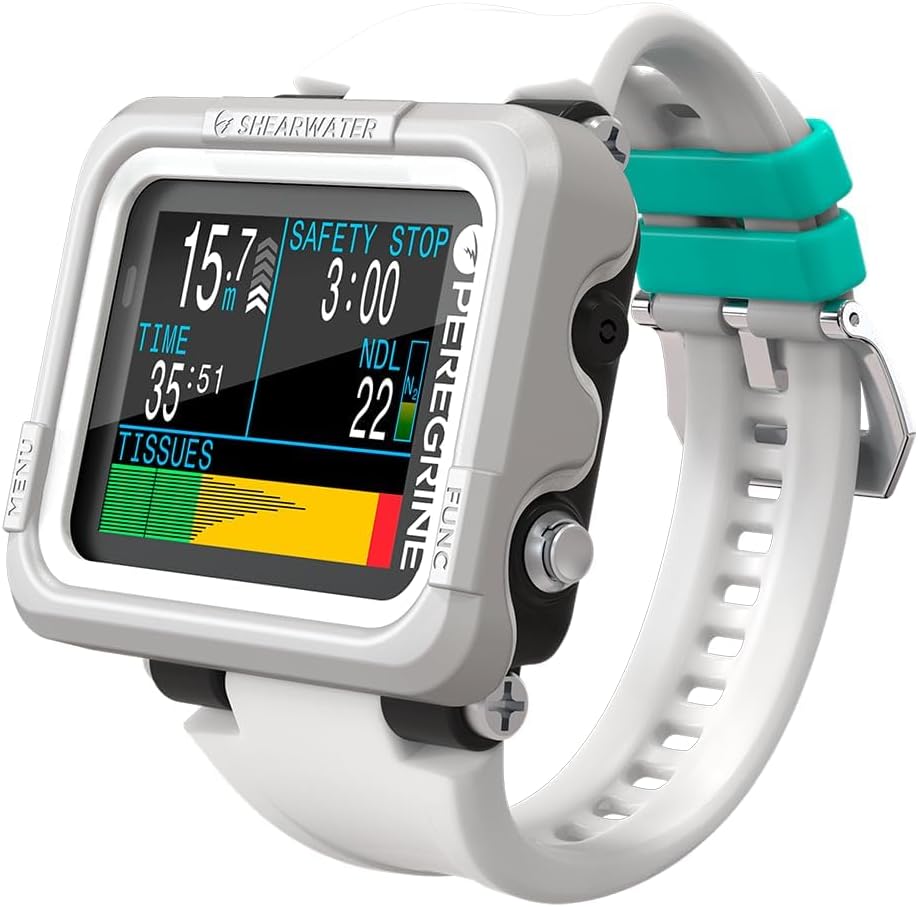


The Shearwater Research Peregrine Dive Computer stands out with a robust 4.7 rating. Its two-button interface ensures reliable operation even with gloved hands underwater.
We may earn a commission when you buy through this link, at no additional cost to you.
Battery life reaches up to 30 hours per charge on medium brightness. The included wireless charging station adds convenience for daily use.
While priced higher than entry models, the build quality and ease of use justify the cost for serious divers. The interface is responsive.
Ideal for recreational divers seeking reliability without complex smart features. It delivers critical data clearly and efficiently during dives.
The simple state-aware menu structure makes navigation effortless underwater without confusing steps.
USB wireless charging keeps the unit ready for multiple dives without needing disposable batteries.
We may earn a commission when you buy through this link, at no additional cost to you.
The SUUNTO D5 offers a vibrant color display visible in various lighting conditions. It integrates wireless tank pressure monitoring seamlessly for divers using compatible transmitters.
We may earn a commission when you buy through this link, at no additional cost to you.
Features like vibration alarms and a digital compass add safety and navigation aids. The wireless mobile connection allows easy log syncing.
Users note the menu can be complex initially, requiring study. Battery life may be shorter than dedicated dive-only units.
Best for tech-savvy divers wanting smart connectivity and clear visuals. It bridges the gap between computer and smartwatch.
Monitoring tank pressure wirelessly reduces clutter and simplifies setup for technical dives.
The digital compass and vibration alerts ensure you stay oriented and aware of limits.
We may earn a commission when you buy through this link, at no additional cost to you.
The Peregrine Adventures Edition supports Air, Nitrox, and 3 Gas Nitrox modes for flexibility. The vivid color range enhances readability during deep dives.
We may earn a commission when you buy through this link, at no additional cost to you.
Shearwater computers use Buhlmann ZHL-16C with gradient factors and never lockout for deviations. This ensures safety for technical diving scenarios.
The interface remains simple with two buttons despite advanced features. Users might need time to customize settings fully.
Recommended for advanced divers needing multi-gas capabilities. It offers precision and flexibility for complex dive profiles.
Gradient factors allow customized decompression models for specific dive plans.
The enhanced color saturation ensures data remains legible in murky water.
We may earn a commission when you buy through this link, at no additional cost to you.
The Garmin Descent X30 features Surface GPS to navigate to dive sites. Its large screen allows three data fields per page for clear visibility.
We may earn a commission when you buy through this link, at no additional cost to you.
Features like NDL Aware depth metrics show real-time impact on limits. The onboard water temperature sensor helps find thermoclines easily.
The 10 ATM rating and metal buttons ensure rugged durability. The flip-screen mode orients buttons for use on the surface.
Ideal for divers exploring remote sites needing GPS. It combines dive tracking with navigation tools effectively.
Marking entry and exit points on the surface helps plan return routes easily.
NDL Aware depth metrics show how changes impact no-decompression time instantly.
We may earn a commission when you buy through this link, at no additional cost to you.
The CRESSI Leonardo 2.0 brings Italian craftsmanship to your adventures. Its single-button interface simplifies underwater menu navigation significantly.
We may earn a commission when you buy through this link, at no additional cost to you.
Visual and audible alarms alert you to critical data quickly. Pairing with iOS and Android devices offers comprehensive dive tracking options.
USB and infrared transfer manage logs efficiently. The design may feel less advanced than higher-end competitors.
Perfect for new divers wanting a watch-style look. It offers essential features without overwhelming complexity.
Single-button operation allows focus on diving rather than complicated menus.
Seamless connectivity ensures your dive logs are accessible on your phone.
We may earn a commission when you buy through this link, at no additional cost to you.
The Mares Puck Pro EZ Wrist Computer boasts a high-contrast screen for effortless readability. It supports Nitrox compatibility between 21% and 50%.
We may earn a commission when you buy through this link, at no additional cost to you.
Using Buhlmann ZH-L16C algorithm with dual gradient factors ensures safety. The replaceable power source supports up to 100 dives easily.
Bluetooth connectivity makes log uploads fast and easy. Users may find the wrist strap less adjustable than others.
Ideal for budget-conscious divers seeking precision. It delivers industry-leading tech at an affordable price point.
High-contrast screen ensures depth and limits are visible in all conditions.
Replaceable power source supports over 100 dives per battery cycle.
We may earn a commission when you buy through this link, at no additional cost to you.
The Descent X50i features a three-inch vibrant color touchscreen. The sapphire lens and 20 ATM rating build for extreme depths.
We may earn a commission when you buy through this link, at no additional cost to you.
SubWave sonar exchanges diver-to-diver messages and monitors tank pressure. Integrated backup light gives peace of mind underwater.
DiveView maps offer contours for thousands of sites. The high price may be out of reach for some divers.
Recommended for technical divers needing top-tier tech. It offers unparalleled features for safety and communication.
SubWave sonar allows preset messages and tank monitoring up to 10 meters away.
Backup dive light is easily accessible for both surface and underwater use.
We may earn a commission when you buy through this link, at no additional cost to you.
The Descent G1 is a rugged watch-style computer with sapphire lens. It offers 25-hour dive battery life and smartwatch modes.
We may earn a commission when you buy through this link, at no additional cost to you.
GPS/GLONASS/Galileo support marks entry and exit points. Advanced training features like VO2 Max track body adaptation.
Store 200 dives and share them in the Garmin Dive app. The monochrome display lacks color but remains readable.
Best for active divers needing health metrics. It balances dive computer function with daily fitness tracking.
Wrist-based heart rate and sleep monitoring give insights into recovery needs.
Connect IQ apps and contactless payments make daily wear convenient.
We may earn a commission when you buy through this link, at no additional cost to you.
The Suunto Nautic features a bright AMOLED display for outstanding readability. It supports multiple dive days with 120 hours of dive time.
We may earn a commission when you buy through this link, at no additional cost to you.
The compact construction includes an integrated flashlight and glove-optimized buttons. Wireless tank pressure ensures monitoring is accurate and easy.
Customizable alarms and views offer flexibility. Battery dependency means you must charge before extended trips.
Ideal for divers valuing modern tools and confidence. It grows with you from first dives to advanced adventures.
Built-in light adds visibility without extra gear in dark waters.
Customizable modes suit single and multi-gas diving styles effectively.
We may earn a commission when you buy through this link, at no additional cost to you.
The Shearwater Perdix 3 features a high-resolution 2.4-inch AMOLED display. Personalize your display with 14 color options for thousands of combinations.
We may earn a commission when you buy through this link, at no additional cost to you.
Faster Bluetooth allows quicker downloads and updates. The new Big layout offers giant fonts for easy viewing in any conditions.
It monitors decompression stress and includes advanced features. As a new model, user reviews are limited currently.
Recommended for divers seeking customization and clarity. It offers improved visibility and connectivity over predecessors.
Thousands of display combinations improve readability in specific lighting.
Six times faster Bluetooth improves log download speeds.
We may earn a commission when you buy through this link, at no additional cost to you.
Choosing the right computer involves evaluating features that match your diving style. These factors will help you find a reliable companion for underwater adventures.
A clear display is vital for reading data quickly underwater. Look for high-contrast or bright screens that are readable in low light.
Prioritize screens with adjustable brightness to suit your diving environment.
Consider if you need Air, Nitrox, or multi-gas modes. Advanced divers may require technical algorithms like Buhlmann ZHL-16C.
Ensure the computer supports your specific dive plans and gas mixtures.
Long battery life reduces worry during multi-day trips. Some models offer rechargeable batteries while others use replaceable cells.
Select a power source that matches your travel frequency and charging access.
Buttons should be easy to press with gloves on. A simple menu structure helps avoid confusion underwater.
Choose models with intuitive controls to focus on safety rather than settings.
Bluetooth or USB connectivity allows you to log and analyze dives. Compatibility with apps can help track your progress.
Check if the computer supports your smartphone OS for easy log syncing.
Look for water resistance ratings suitable for your depth. Stainless steel buttons and rugged housing add protection.
Ensure the device is built to withstand impact and saltwater exposure.
Integrated alarms and compasses provide extra safety layers. Tank pressure monitoring is useful for technical divers.
Prioritize features that alert you to critical changes like no-decompression limits.
Set a budget range that fits your financial situation. Higher cost often brings more features and durability.
Balance price against the specific needs of your diving level and plans.
Always pre-dive check your computer by ensuring it powers on and settings are correct. Verify battery levels and alarms are enabled.
After every dive, rinse your computer with fresh water to remove salt and debris. Dry it thoroughly before storing it.
Store the device in a cool, dry place away from direct sunlight. Regularly update firmware to maintain accuracy and safety.
The most important feature is safety through accurate depth and time tracking. Reliable algorithms and alarms are essential for preventing decompression sickness.
Many dive computers have free dive modes but check specifications. Not all models support freediving depth and apnea limits accurately.
Charge rechargeable models before each trip to ensure battery life. Replaceable battery models need monitoring based on dive count indicators.
Yes, dive computers are essential for safety and planning. They provide real-time data that tables cannot offer underwater.
Most dive computers last five to ten years with proper care. Firmware support and maintenance extend usability significantly.
Yes, dive computers work in both fresh and salt water. Some allow you to switch modes for different gas density calculations.
Our top picks include the Shearwater Research Peregrine for overall reliability and Mares Puck Pro EZ for value.
Prioritize display clarity and algorithm accuracy when making your decision. Choose features that match your diving style and goals.
Always verify current pricing and availability before purchasing. Prices change frequently so check listings regularly.