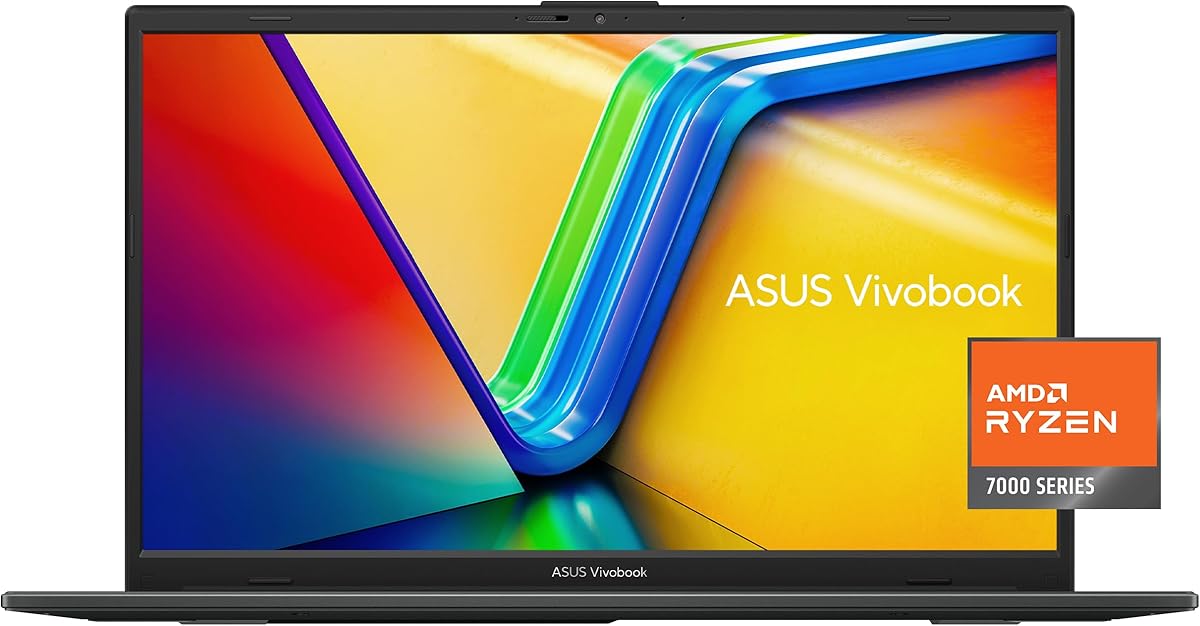
ASUS Vivobook Go 15.6” FHD Slim Laptop
4.3Editor score
AMD Ryzen 3 7320U Processor
8GB DDR5 RAM and 128GB SSD
Military Grade Durability Design
Discover the best ASUS Laptop for Students in 2026 with our expert guide comparing performance, portability, and value for every student budget and need.
Finding the right ASUS Laptop for Students can transform your academic journey by providing reliable tools for research, writing, and collaboration without breaking the bank.
We analyzed ten top models focusing on battery life, processing power, display quality, and durability to ensure each pick meets the rigorous demands of modern student life.
Each product entry highlights key specifications and real-world performance insights so you can make an informed choice while keeping in mind that prices fluctuate frequently.
4.3Editor score

4.8Editor score

4.5Editor score
This side-by-side comparison breaks down the essential specifications of all ten models to help you quickly identify which ASUS Laptop for Students fits your specific workflow and budget constraints.


The ASUS Vivobook Go 15.6” FHD Slim Laptop offers an excellent entry point for students seeking reliable performance without overspending on unnecessary features.
We may earn a commission when you buy through this link, at no additional cost to you.
Equipped with an AMD Ryzen 3 7320U processor and 8GB DDR5 RAM, this device handles web browsing and document editing with smooth efficiency for daily coursework.
While the 128GB SSD may require external storage for large media files, the fast charging and military-grade durability ensure it survives the rigors of campus life.
Students on a tight budget will find this model ideal for essential tasks like note-taking and research while maintaining a sleek and portable design profile.
Military grade standards ensure the laptop withstands drops and daily wear while weighing only 3.59 lbs for easy transport between classes.
The AMD Ryzen 3 processor supports multitasking for essential applications while Wi-Fi 5 ensures stable internet connections in lecture halls.
We may earn a commission when you buy through this link, at no additional cost to you.
This 2023 model upgrades the processor to an AMD Ryzen 5 7520U providing noticeable performance gains for multitasking and light creative tasks.
We may earn a commission when you buy through this link, at no additional cost to you.
The generous 512GB SSD provides ample space for lecture recordings and project files without needing immediate external storage solutions.
Fast charge technology allows users to reclaim battery power quickly during short breaks between lectures ensuring uninterrupted workflow throughout the day.
Students requiring reliable video call performance will appreciate the AI Noise-Canceling Technology that isolates background noise during online group discussions.
The Ryzen 5 processor supports smoother application switching and faster compile times for coding students compared to entry-level chips.
Built-in Wi-Fi 6E ensures faster download speeds and lower latency when streaming educational content or attending virtual seminars.
We may earn a commission when you buy through this link, at no additional cost to you.
The ASUS Vivobook 14 stands out with its Snapdragon X processor and 16GB RAM delivering a balanced combination of efficiency and productivity for students.
We may earn a commission when you buy through this link, at no additional cost to you.
Its 14 inch FHD+ screen offers excellent clarity for reading research papers while remaining light enough for daily commuting to campus libraries.
Copilot+ PC capabilities enable advanced AI tools that can assist with summarizing notes and organizing study materials more efficiently than standard laptops.
While the ARM architecture requires some app verification users will find Windows 11 handles most daily software seamlessly with long battery life benefits.
Copilot+ PC features allow for real-time AI assistance in document creation and data analysis directly within the Windows operating system.
The 14 inch design fits easily into backpacks while the high resolution screen reduces eye strain during long study sessions.
We may earn a commission when you buy through this link, at no additional cost to you.
This entry-level model is designed for students whose primary needs are web browsing and basic document editing without demanding heavy processing power.
We may earn a commission when you buy through this link, at no additional cost to you.
The Intel Celeron N4500 processor supports essential apps but may struggle with multiple tabs open simultaneously during research periods.
Privacy shutter features provide an extra layer of security for students attending online classes in public spaces like coffee shops or dorms.
While not ideal for heavy multitasking this laptop offers a functional starting point for budget-conscious students focusing on non-intensive coursework tasks.
Windows 11 Home in S Mode provides enhanced security and performance tailored for simple everyday tasks and educational applications.
The slim profile and lightweight build make it easy to carry between classrooms while the backlit keyboard aids night studying.
We may earn a commission when you buy through this link, at no additional cost to you.
The 16 inch WUXGA display provides expansive real estate for multitasking with multiple windows open side by side for enhanced workflow.
We may earn a commission when you buy through this link, at no additional cost to you.
Snapdragon X processor ensures that the larger screen does not compromise battery life significantly allowing for all-day use without charging.
Students who prefer larger screens for data visualization or extended reading will find the 16:10 aspect ratio particularly beneficial for productivity.
The Quiet Blue chassis offers a stylish look while the integrated Adreno GPU supports basic creative tasks beyond standard academic requirements easily.
The 16 inch screen enables comfortable viewing of research papers and spreadsheets simultaneously without constant scrolling or resizing.
Qualcomm Hexagon NPU delivers AI processing power that optimizes background tasks to maintain smooth performance and battery life.
We may earn a commission when you buy through this link, at no additional cost to you.
This model upgrades to Windows 11 Pro offering advanced features like BitLocker encryption for students handling sensitive academic or research data.
We may earn a commission when you buy through this link, at no additional cost to you.
The 1TB SSD provides massive storage capacity ensuring students never run out of space for large project archives or multimedia assets.
An included PLUSERA Docking Hub simplifies connectivity allowing quick expansion to external monitors and peripherals without cluttering desk space.
Students aiming for a balance of performance and storage in a portable package will find this professional configuration highly practical and future-proof.
Windows 11 Pro provides enhanced security and remote desktop capabilities ideal for students accessing university servers or remote labs.
The 1TB SSD ensures fast file access and ample space while the included hub streamlines peripheral connections for presentations.
We may earn a commission when you buy through this link, at no additional cost to you.
Featuring the Intel Core 5 120U processor this laptop offers robust performance for engineering or design students requiring consistent computing power.
We may earn a commission when you buy through this link, at no additional cost to you.
With 16GB of RAM users can run complex simulations or multiple browsers without noticeable slowdowns during heavy academic work sessions.
The 15.6 inch Full HD display provides clear visuals for technical diagrams and charts while keeping the overall weight manageable for travel.
Students needing a dependable workhorse with standard connectivity and ample memory will appreciate this model's straightforward and reliable performance profile.
The Intel Core 5 processor supports efficient multitasking and handles productivity software with ease for demanding academic workflows.
16GB RAM ensures smooth operation across applications while Wi-Fi 6 offers faster speeds in crowded campus networks.
We may earn a commission when you buy through this link, at no additional cost to you.
This powerhouse is designed for students engaged in heavy computational work like data science or advanced video editing needing top-tier specs.
We may earn a commission when you buy through this link, at no additional cost to you.
The Intel Core i9-13900H processor delivers elite-level performance that handles complex simulations and multitasking with effortless speed.
A physical webcam shield and fingerprint reader provide strong security features ensuring privacy and quick access to protected files easily.
Students pursuing demanding majors or creative careers will find this model a worthy investment capable of growing with their advanced technical needs.
The 14-core processor provides elite performance for AI workloads and heavy multitasking that standard laptops cannot match.
Physical privacy shutter and fingerprint reader ensure data protection and privacy for students handling sensitive research information.
We may earn a commission when you buy through this link, at no additional cost to you.
This model leads with AMD Ryzen AI 7 350 processor providing up to 50 TOPS for AI processing efficiency that enhances daily computing experiences.
We may earn a commission when you buy through this link, at no additional cost to you.
Copilot+ PC capabilities promise to transform how students create and communicate with tools like Recall and Live Captions soon available.
The 14 inch WUXGA display with 300-nit brightness offers vibrant visuals suitable for media consumption and creative work on the go.
Students interested in the future of AI integration and those seeking long battery life will find this model compelling despite initial software limitations.
XDNA NPU delivers hardware-level AI acceleration for optimized workloads and smooth multitasking performance across the system.
The 1920 x 1200 resolution provides sharp text clarity and brilliant life-like colors for an immersive viewing experience.
We may earn a commission when you buy through this link, at no additional cost to you.
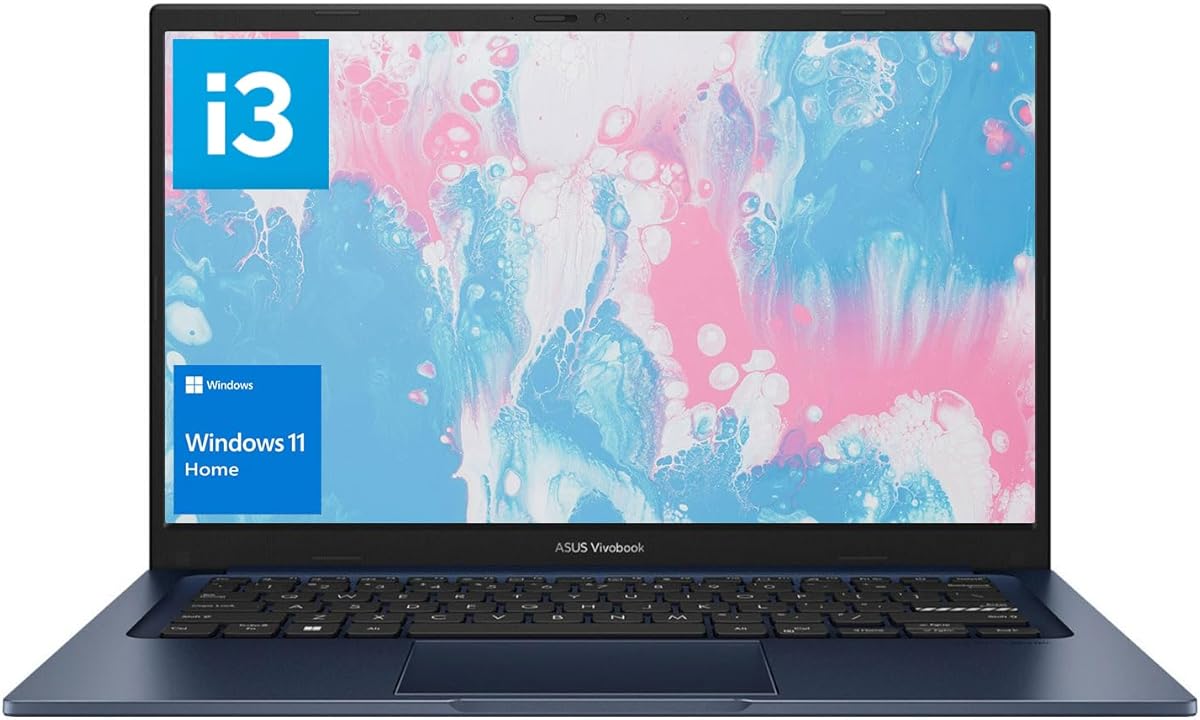
Despite the i3 processor this model offers generous 16GB RAM which allows for smooth multitasking and future-proofing against software demands.
We may earn a commission when you buy through this link, at no additional cost to you.
The 512GB SSD provides sufficient space for documents and media while ensuring quick boot times and responsive application launching for daily use.
Students needing a lightweight device for writing and research will appreciate the balance of memory capacity and affordable pricing offered here.
This model serves as a solid middle ground for those prioritizing RAM and storage over raw CPU speed for typical academic assignments.
The 16GB high-bandwidth RAM allows smooth operation of multiple tabs and applications simultaneously without performance degradation.
A 512GB PCIe NVMe SSD ensures fast data transfer and boot times while providing ample space for student project files.
We may earn a commission when you buy through this link, at no additional cost to you.
Selecting the right laptop requires balancing performance needs with budget constraints to ensure the device supports your entire academic journey effectively.
The processor determines how fast your laptop can handle tasks like browsing compiling code or running simulations so choose a model that fits your major requirements.
Students focusing on light web work may find Ryzen 3 or Intel Core i3 sufficient while engineers should look for Core i5 or i9 options.
Having enough RAM ensures you can keep multiple browser tabs and applications open without slowdowns which is common during research periods.
Aim for at least 8GB for basic use and 16GB for multitasking to ensure your laptop remains responsive throughout the school year.
SSD storage provides faster boot times and file access compared to traditional hard drives making it essential for a modern student experience.
A 512GB drive is generally a safe baseline to store lecture notes projects and media files without relying heavily on external storage.
Since you will be reading screens for long periods a high resolution display reduces eye strain and makes text appear sharper and easier to read.
Look for Full HD or better resolutions and consider screen size based on whether you prioritize portability or viewing space.
A laptop that lasts through your entire day of classes without charging is crucial for maintaining productivity on campus or in libraries.
Check for models with fast charging capabilities so you can quickly top up power during short breaks between lectures.
If you carry your laptop daily between classes a lighter device reduces physical strain and makes it easier to fit into backpacks.
Consider the physical dimensions alongside weight to ensure the laptop fits comfortably in your daily carry setup.
Student life can be rough so military grade durability ratings or reinforced chassis designs help protect your investment from drops or bumps.
Physical webcam shields and keyboard backlights add practical value for privacy and usability in low light environments.
Ensure the laptop has enough USB ports and HDMI connections to match your peripherals without needing extra dongles or adapters constantly.
Wi-Fi 6 support provides faster and more stable internet connections which is essential for video calls and downloading large course materials.
To extend battery life adjust power settings to prioritize efficiency and close unused applications when you are not actively using them.
Keep your screen clean with a microfiber cloth and avoid placing heavy objects on the laptop when it is closed to prevent keyboard damage.
Install software updates regularly to maintain security and performance while using built-in tools like Windows Security to protect your data.
Yes many ASUS Vivobook models feature military-grade durability tested to withstand drops and temperature changes. This ensures the device survives daily commuting and occasional mishaps on campus.
Upgradability varies by model. Some Vivobook laptops have soldered RAM while others allow slots. Always check specific product specs before purchasing to confirm upgrade potential.
Windows 11 Home provides all standard tools needed for research and writing. Some students may prefer Pro for advanced security features but Home is sufficient for most coursework.
Most models include HDMI or USB-C ports that support external displays. This is useful for students who want a dual-screen setup for extended study or research sessions.
Battery life depends on usage but many models claim up to 12 hours of light use. Real-world performance varies by screen brightness and running applications.
ASUS often offers student discounts through their education store. Check official websites or university portals for potential savings on eligible models.
The ASUS Vivobook series offers a versatile range of laptops ensuring every student can find a device matching their specific academic needs and budget constraints.
Prioritize memory and storage capacity if you plan to keep the laptop for several years to ensure it remains capable as software requirements increase.
Always verify current prices and availability before purchasing since tech deals change frequently and the best value might shift between models.