
G-PLUG 15FT RG8X
4.5Editor score
Pure copper core
Double shielded design
Flexible weather-resistant PVC
Discover the top coax cables for ham radio in October 2026. We compare loss, durability, and connector quality across ten highly rated options for amateurs.
Choosing the right coax cable is critical for ham radio operators who demand clear signals and reliable performance. A good cable minimizes loss and withstands environmental stress.
We evaluated ten top-rated cables based on conductor quality, shielding, connector durability, and real-world user feedback to find the best options for any setup.
Each pick highlights specific strengths and trade-offs to help you match the cable to your station needs. Please note that prices and availability can change over time.
4.5Editor score

4.7Editor score
4.7Editor score
This comparison table provides a side-by-side look at the key specifications and strengths of all ten products reviewed in this guide to help you decide quickly.


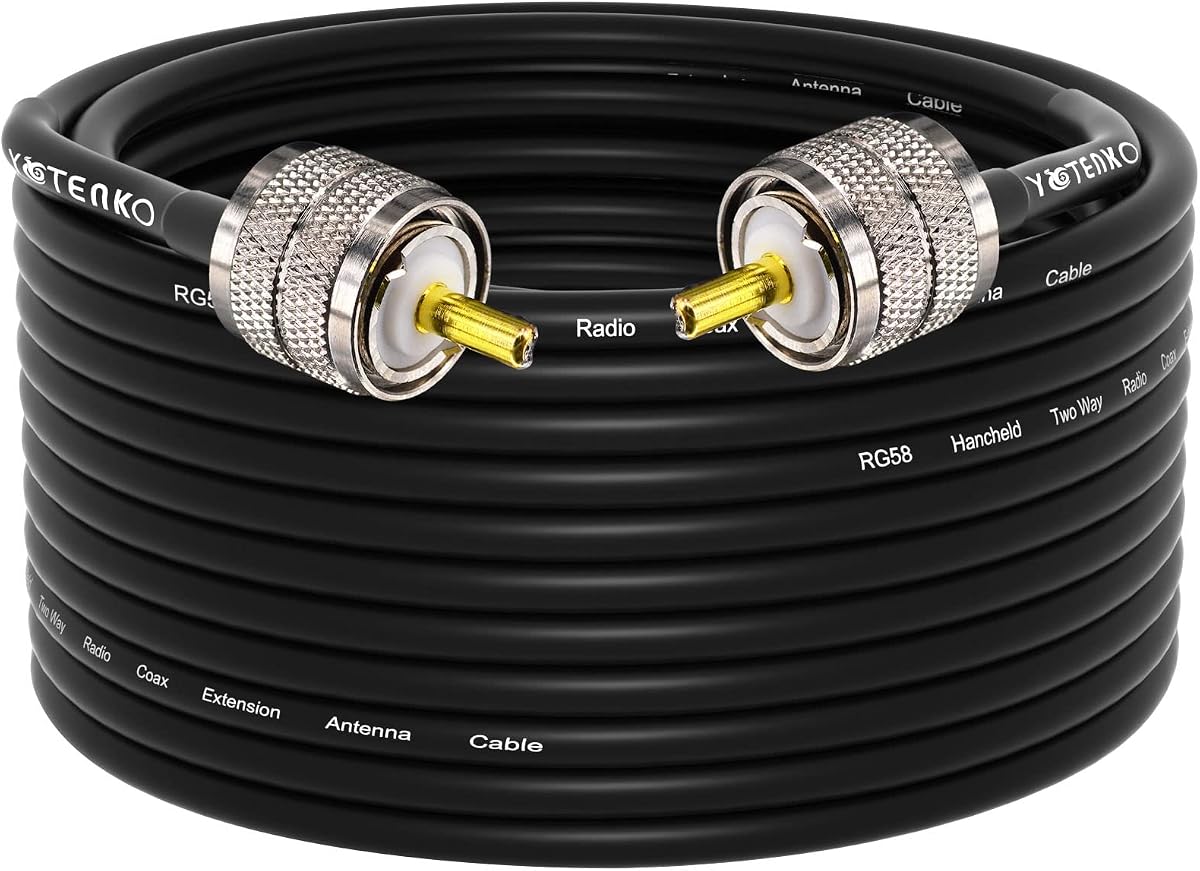

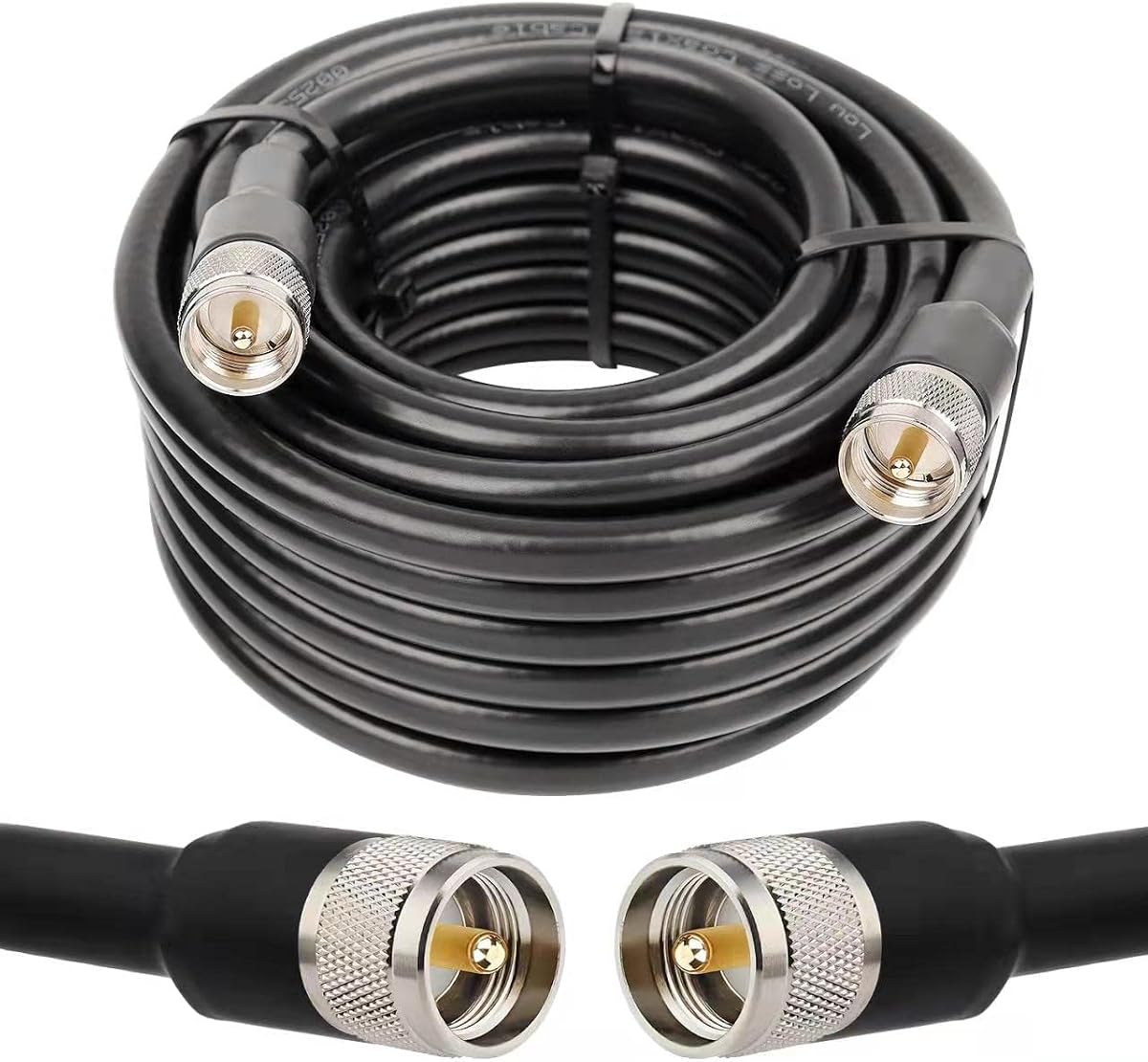

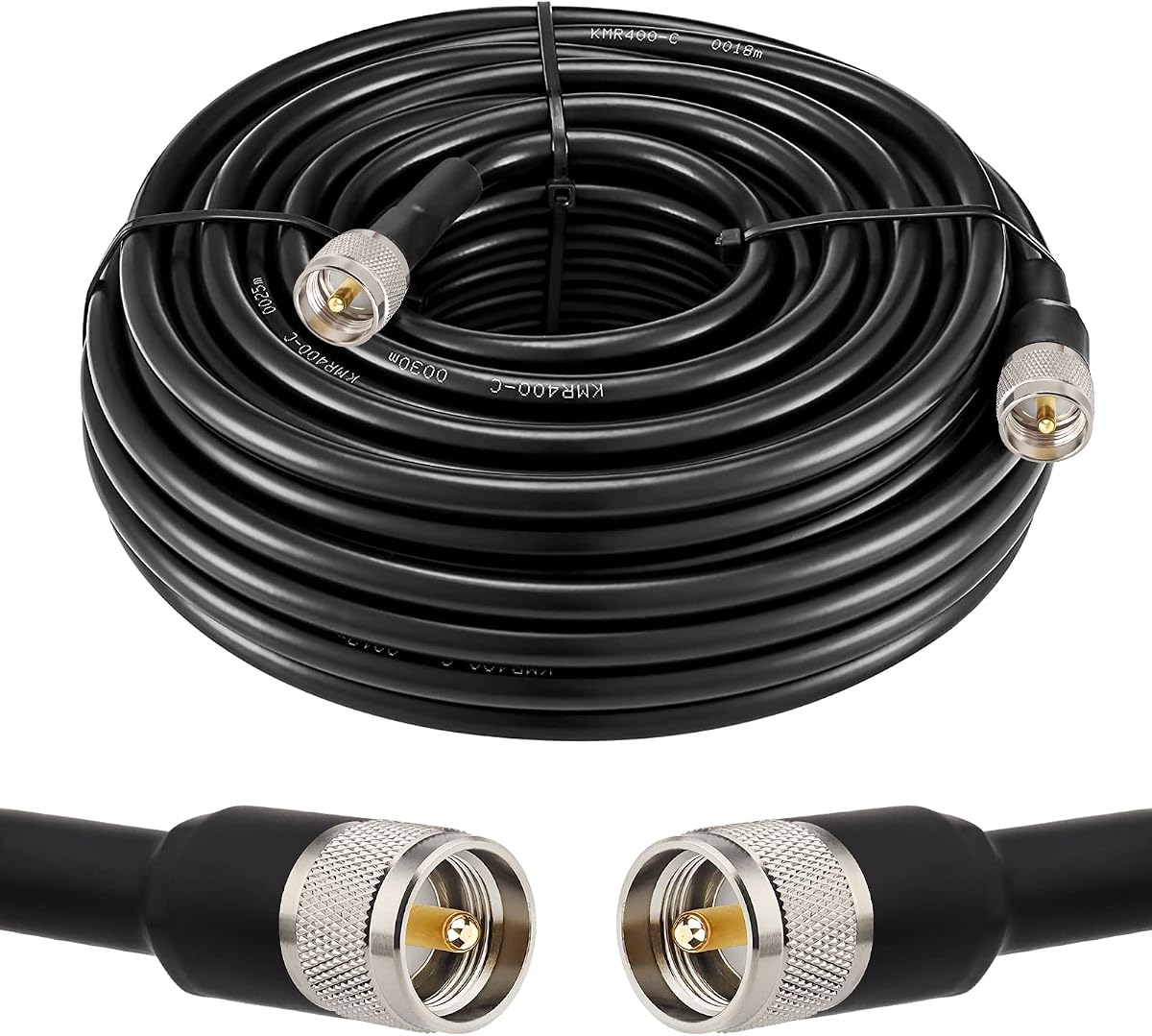
This MOOKEERF KMR400 cable offers exceptional low loss performance making it a top choice for serious ham radio operators. With a rating of 4.7 stars it stands out for maintaining signal strength even at higher frequencies like 450MHz.
We may earn a commission when you buy through this link, at no additional cost to you.
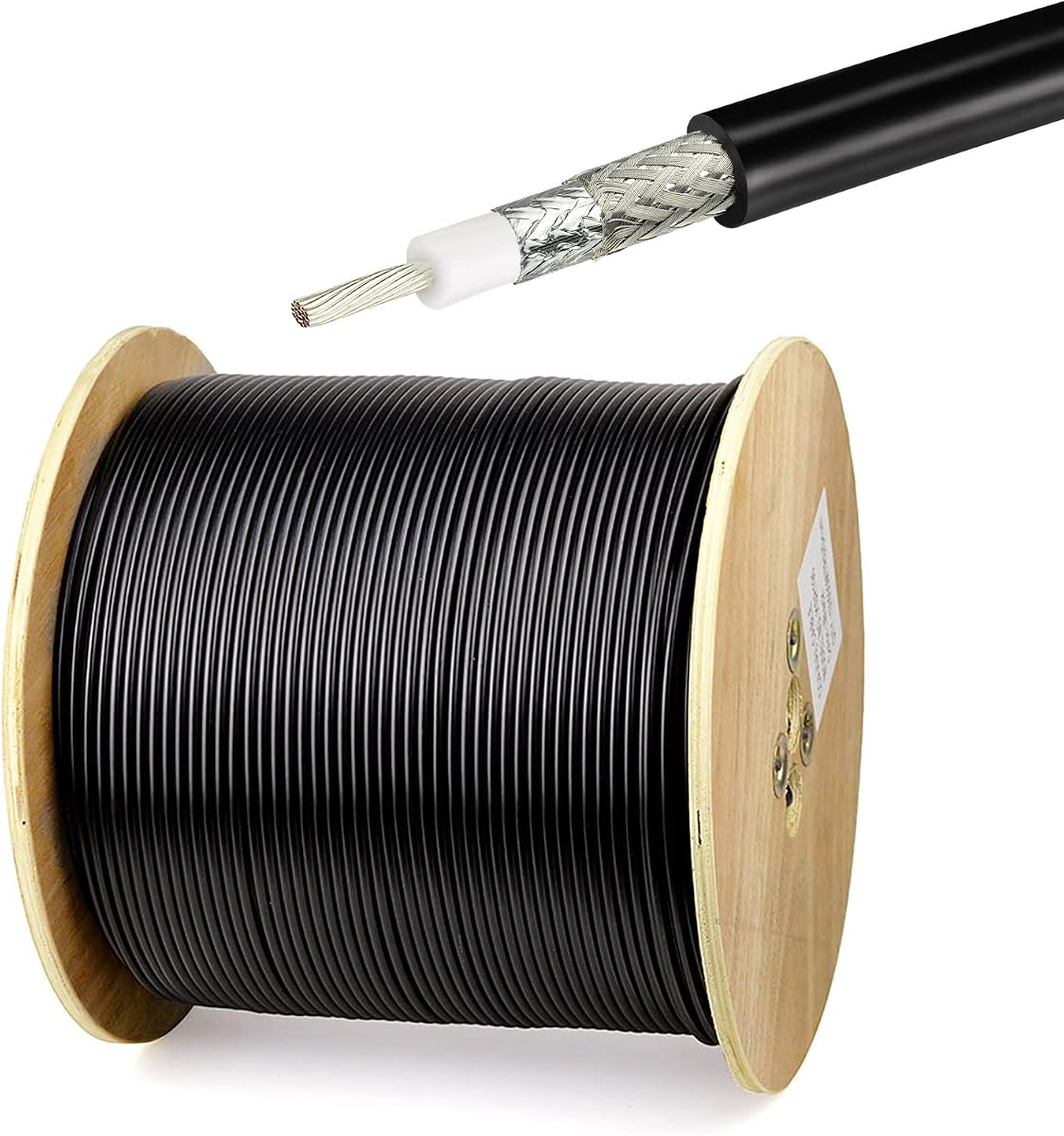
The construction uses a copper clad aluminum inner conductor paired with aluminum foil and tinned copper braid shielding. This design minimizes oxidation and protects signals over long distances ensuring your transmissions remain clear and your reception stays strong.
While the cable performs well users should note it uses KMR400 standards which are more robust than standard RG8X. The thicker profile may require careful routing in tight spaces but the durability is worth the trade-off for outdoor or permanent installations.
If you need reliable performance for VHF or UHF setups this cable delivers consistent results. It is ideal for those who prioritize signal integrity and durability over cost savings or extreme flexibility.
The low loss spec ensures your RF signal reaches the antenna with minimal degradation over the 50ft length.
Adhesive-lined heat shrink provides a professional seal that prevents moisture ingress and connector detachment.
We may earn a commission when you buy through this link, at no additional cost to you.
For operators needing a short jumper or connection to an analyzer this G-PLUG RG8X cable provides excellent value. It holds a 4.5 rating and features a pure copper core for efficient signal transfer without unnecessary resistance or loss.
We may earn a commission when you buy through this link, at no additional cost to you.
The double shielding design effectively reduces interference which is crucial when operating near heavy electronic noise or high power equipment. The connectors use nickel-plated brass bodies with gold-plated pins to resist corrosion and ensure a tight fit.
While the price is attractive the length is only fifteen feet which limits it to indoor stations or short mobile setups. If you need to reach an antenna on a roof you will need to buy additional cable or a different length model.
This cable is perfect for quick swaps testing or connecting transceivers to meters. It delivers clear communication for CB and HAM setups where distance is not a primary constraint.
Using pure copper instead of copper-clad aluminum ensures better conductivity and longevity for your RF path.
The rugged PVC jacket allows for easy bending and installation in various weather conditions without cracking.
We may earn a commission when you buy through this link, at no additional cost to you.
The XRDS 100ft KMR400 cable is designed for demanding applications where distance and durability matter most. With a 4.7 rating it delivers ultra-low loss characteristics that keep signals strong even when traveling one hundred feet to your antenna.
We may earn a commission when you buy through this link, at no additional cost to you.
Its construction features a copper clad aluminum conductor in a larger diameter to support better signal retention than standard RG58. The UV proof rf-pvc jacket is built to withstand harsh outdoor environments for decades without degrading or becoming brittle.
The clamp style connectors are a distinct advantage over crimp types as they provide a more secure mechanical hold. Users should be aware that the cable is thicker and heavier which requires planning when routing through walls or conduit.
If you are building a permanent base station or marine setup this cable is a premium investment. It offers the best protection against signal loss and environmental stress among the options reviewed in this guide.
The jacket is rated for twenty years of outdoor exposure ensuring your antenna system remains reliable.
Clamp connectors prevent accidental disconnection which is vital for mobile or high-vibration setups.
We may earn a commission when you buy through this link, at no additional cost to you.
This RG8x cable is engineered with a pure copper inner conductor which provides reliable conductivity for your radio signals. Rated at 4.6 stars it is a solid choice for users who want a step up from RG58 without investing in premium coax.
We may earn a commission when you buy through this link, at no additional cost to you.
The double shielding is designed to prevent signal leakage and interference ensuring your transmissions stay clean. It works well with antenna analyzers tuners and SWR meters making it versatile for maintenance and tuning tasks.
While the pure copper conductor is a positive trait it may be more expensive than copper-clad alternatives. Users should consider that standard RG8X will have higher loss than KMR400 over long distances but is sufficient for most short to mid-length runs.
Ideal for Jeep Wrangler installations or indoor CB setups this cable balances performance and durability effectively. It is a trustworthy option for general purpose amateur radio use where flexibility and quality are key.
The thicker 17AWG conductor handles higher power levels more safely than smaller gauge cables.
Two layers of protection minimize external noise which helps maintain a better signal to noise ratio.
We may earn a commission when you buy through this link, at no additional cost to you.
The STEREN RG8X cable is built to last with fully molded PL259 connectors that ensure a secure and reliable connection. Holding a 4.7 rating it is recognized for its durability and ability to perform well in both indoor and outdoor installations.
We may earn a commission when you buy through this link, at no additional cost to you.
Its nickel-plated connectors provide added protection against oxidation which is vital for outdoor antenna systems. The cable is designed to handle the elements and maintain optimal signal quality over time for your base or mobile station.
Users may find the standard RG8X performance adequate for most HF and CB needs but it will not match the low loss of premium coax. It is a great upgrade from RG58 but not a substitute for KMR400 in long feedlines.
This cable is excellent for general radio applications including firestick antennas and vehicle installs. It is a dependable choice for those who want a trusted brand with proven reliability and easy setup.
Fully molded joints prevent the cable from separating from the connector under strain or bending.
The design supports HF frequencies effectively making it suitable for a wide range of amateur bands.
We may earn a commission when you buy through this link, at no additional cost to you.
This RG58 cable stands out for its ultra-flexible design which makes it ideal for routing through tight spaces or mobile vehicles. With a 4.6 rating it is engineered to minimize pinching and bending issues common with stiffer RG8 options.
We may earn a commission when you buy through this link, at no additional cost to you.
It features a real bare copper braided shield rather than cheap copper clad aluminum for better interference rejection. The extended 6cm heat shrink tubing provides heavy duty protection to the solder points preventing connection failure during frequent bending.
Because it is a thinner cable loss will be higher than RG8X especially at higher frequencies. This makes it less suitable for long runs to high power antennas but perfect for short connections where flexibility is the primary concern.
Choose this for temporary field days or stealth setups where you need to run the cable through a window or trunk. It delivers consistent performance for HF and VHF communication without the bulk of heavier coax.
The small diameter allows you to pass the cable through door seals and narrow conduits easily.
The long shrink tube spreads stress away from the connector to prevent solder joint fatigue.
We may earn a commission when you buy through this link, at no additional cost to you.
The exgoofit RG8X provides a long 100ft reach making it ideal for setups where the radio is far from the antenna. It holds a 4.6 rating and uses 16AWG tinned pure copper strands which are more durable than average CB antenna cables.
We may earn a commission when you buy through this link, at no additional cost to you.
Its construction features double shielding to prevent signal leakage ensuring your transmission remains clean. The waterproof PVC jacket allows for indoor and outdoor use without worrying about moisture damage affecting your station performance.
While it is a good value for the length it uses standard RG8X specifications which means higher loss over distance compared to premium low loss cables. The warranty support adds confidence for buyers looking for reliable long term use.
This cable is great for Jeep installations or base stations where you need to cover a significant distance. It offers a solid balance of length and durability for general amateur radio applications.
The 100ft length allows you to place your station in a convenient location away from the tower.
19 strands of tinned copper provide flexibility and strength to prevent breakage at connection points.
We may earn a commission when you buy through this link, at no additional cost to you.
This MOOKEERF RG8 cable offers low loss performance at 450MHz making it suitable for VHF operations. It holds a 4.6 rating and uses a clamp design for the connector which prevents the cable from breaking easily during use.
We may earn a commission when you buy through this link, at no additional cost to you.
The outer conductor uses aluminum foil and tinned copper braid to protect the signal over large distances. This design is equivalent to LMR400 which gives you a high performance option without the premium price of some brands.
Adhesive-lined heat shrink seals against moisture ensuring the connector does not fail in wet conditions. Users should note that the clamp design is more robust but adds bulk which may complicate routing in tight enclosures.
Select this for marine or CB setups where reliability and signal integrity are key. It is a strong choice for operators who need a balance between low loss and physical durability.
Sealing adhesive in the shrink tube keeps water and contaminants out of the connection point.
The loss characteristics are tuned to support VHF frequencies better than generic RG58 cables.
We may earn a commission when you buy through this link, at no additional cost to you.
The XRDS RG316 is a miniature coaxial cable ideal for tight spaces and interconnections. With a 4.8 rating it is extremely thin at only 0.1in which allows for extra flexibility where larger cables cannot fit.
We may earn a commission when you buy through this link, at no additional cost to you.
It uses silver plated copper for both the inner conductor and braid which ensures very low signal loss. The teflon jacket is designed to withstand harsh environments making it a great choice for outdoor or high temperature applications.
Because it is a miniature cable you will need to use specific connectors or crimp tools to adapt it to PL259. It is not a drop in replacement for standard RF lines but perfect for internal connections or portable setups.
This cable excels for specialized radio setups and small projects. If you need low loss and flexibility in a small form factor this is the premium choice.
Silver plating provides excellent conductivity up to 6GHz with minimal attenuation per foot.
The stranded core allows you to route the cable around corners without kinking the signal path.
We may earn a commission when you buy through this link, at no additional cost to you.
This Superbat RG8x cable offers compatibility with a wide range of connectors including SMA BNC and TNC. With a 4.7 rating it is designed to work with any 50 Ohm RF system making it a versatile option for diverse setups.
We may earn a commission when you buy through this link, at no additional cost to you.
The PVC jacket is waterproof and flexible allowing you to strap and bend it without inducing signal interference. It is well suited for outdoor use where weather resistance is required for your antenna feedline.
One unique feature is the ability to request custom lengths which helps avoid excess cable management. However standard stock runs are typically 50ft so you may need to order in advance for specific needs.
Choose this for general radio applications or if you need a specific connector type. It provides a practical solution for hobbyists and professionals looking to maintain high signal quality.
The design supports multiple connector types giving you flexibility in how you integrate it into your station.
You can secure the cable to structures without worrying about bending causing signal degradation.
We may earn a commission when you buy through this link, at no additional cost to you.
Selecting the right coax cable requires balancing factors like loss resistance and length and connector durability to match your specific radio setup needs.
Different cable types like RG58 RG8X and KMR400 offer varying levels of signal loss. RG58 is thin and flexible but loses more signal over distance while RG8X and KMR400 are thicker with lower loss making them better for long runs.
Always choose a cable type that minimizes loss for your frequency range and feedline length.
Conductors made of pure copper or silver plated copper conduct signals more efficiently than copper clad aluminum. While copper clad aluminum is cheaper pure copper offers better longevity and resistance to oxidation over time.
For optimal performance look for cables that specify pure copper or silver plating in their construction.
Shielding protects your signal from external interference and prevents leakage that can affect nearby electronics. Double shielding or braided shields with foil layers provide better isolation for clear transmission and reception.
Prioritize cables with robust shielding if you operate in environments with high electronic noise.
Connectors like PL259 must be securely attached to prevent signal loss at the joint. Look for fully molded or crimped connections with nickel or gold plating to resist corrosion and ensure a tight fit.
Inspect the connector assembly to ensure it will hold up to frequent handling or outdoor conditions.
Choose a cable length that reaches your antenna comfortably without excess slack that can cause clutter or damage. Too short a cable will require extensions that add loss and points of failure in your system.
Measure your installation path before purchasing to ensure the length is sufficient for your station layout.
Outdoor cables must withstand UV exposure and rain to maintain performance over years. A quality PVC or Teflon jacket will protect the inner conductors from moisture and temperature extremes.
Ensure the jacket material is rated for outdoor use if your cable will be exposed to the elements.
If you need to route cables through tight spaces like vehicle windows or small conduits flexibility is key. Thinner cables like RG58 are easier to route but thicker cables like RG8X offer better performance at the cost of stiffness.
Balance your need for flexibility with performance goals when selecting the cable diameter.
Make sure the cable connectors match your radio and antenna ports. While PL259 is common you may need adapters for N or SMA connectors which can introduce additional loss if not used carefully.
Verify that your setup is compatible with the connector type provided on the cable.
Install your cable with minimal bending or kinking to maintain signal integrity. Use gentle curves when routing around corners to prevent damage to the internal conductors or shielding.
Secure outdoor cables with clips or ties that do not compress the jacket. This prevents water pooling and ensures the jacket remains flexible even after long exposure to the sun and rain.
Regularly inspect connectors for signs of corrosion or looseness. Tighten any loose fittings and clean oxidized contacts with a mild cleaner to ensure reliable performance.
A base station typically uses a length that connects your radio to the antenna without excess. Most setups use 25 to 100 feet depending on tower height. Avoid long runs over 100 feet unless using low loss cable like KMR400.
RG8X has a larger conductor and lower signal loss compared to RG58 making it better for most HF and VHF installations. It handles higher power and maintains signal strength over longer distances than RG58.
Use connectors with nickel or gold plating and seal connections with adhesive lined heat shrink. Apply weather tape or self-amalgamating tape to outdoor joints to block moisture and extend the life of the connector.
Yes outdoor coax cable is safe to use indoors. The weather resistant jacket simply adds durability. However indoor environments may not require the same UV or water resistance so standard cables are often cheaper.
Low loss means the cable attenuates the signal less over distance. This results in stronger transmission and clearer reception especially at higher frequencies. It is achieved through better conductors and shielding.
Use a PL259 to PL259 cable to connect your radio to the analyzer. Ensure the connectors are tight and the cable is short to minimize loss during testing. Most analyzers accept standard 50 ohm inputs.
For very short runs under 20 feet the performance difference between RG58 and RG8X is minimal. Premium cables are more worth it for longer distances where signal loss accumulates more significantly.
Check your coax every few years for cracks or corrosion. If the jacket is intact and connections are clean it can last many years. Replace it immediately if you see exposed metal or significant physical damage.
Choosing the right cable depends on your specific setup needs whether that means low loss long distance performance or budget friendly flexibility. We reviewed ten top options that cover various use cases from mobile to base stations.
Prioritize conductor quality and shielding to ensure your signals remain strong over the distance. While prices vary the investment in a durable cable will pay off in better communication quality and fewer maintenance headaches.
Please check the current prices and availability on Amazon as these can change over time. We hope this guide helps you build a reliable and efficient radio station for your amateur operations.