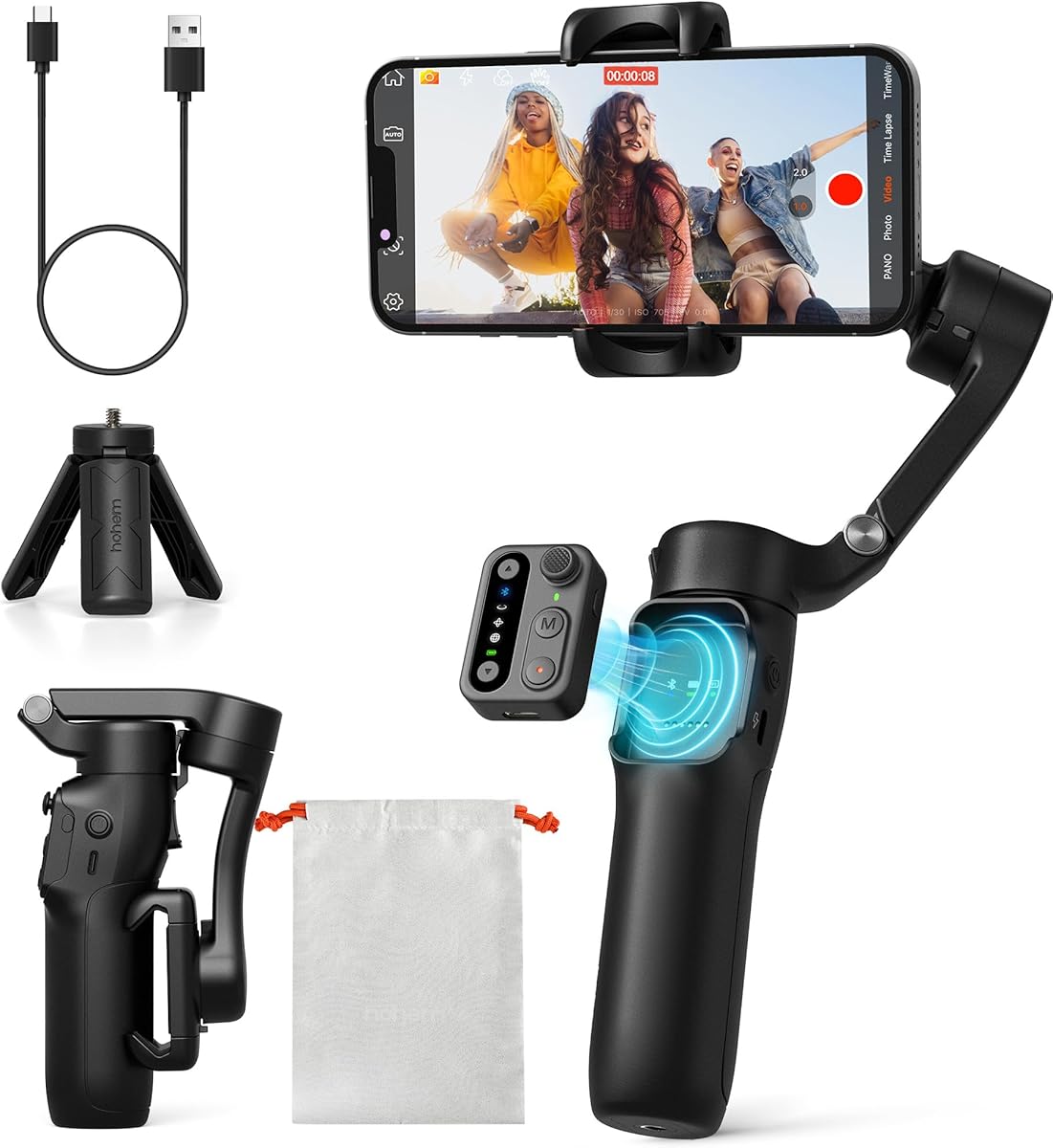
hohem iSteady X3 SE
4.2Editor score
11-hour battery life
Lightweight portable design
AI tracking support
Mountaineering demands gear that withstands harsh conditions while capturing smooth, cinematic footage of breathtaking peaks. A reliable gimbal stabilizer ensures your videos remain steady despite uneven terrain and high altitudes, making it essential for adventurers and content creators.
We evaluated ten leading gimbal models based on stabilization quality, battery life, weather resistance, and compatibility with various cameras and smartphones. Our analysis focuses on features that matter most for outdoor exploration, ensuring you find a device that performs when you need it most.
Each selection highlights specific strengths like lightweight design, splashproofing, or advanced tracking. While prices may fluctuate, these picks represent the best value and performance for mountaineering enthusiasts seeking professional-quality video stability in challenging environments.
4.2Editor score

4.1Editor score

4.9Editor score
As an Amazon Associate we earn from qualifying purchases.
The following table provides a side-by-side comparison of all ten selected gimbal stabilizers, highlighting their key specifications to help you quickly identify the best match for your mountaineering needs.


The Hohem iSteady Pro 4 is a highly rated 3-axis action camera gimbal designed for mountaineering. With a 4.1 star rating, it excels in providing smooth stabilization during rugged outdoor activities while remaining reliable in various conditions.
We may earn a commission when you buy through this link, at no additional cost to you.
Its standout quality is the IPX4 splashproof rating, making it ideal for rainy or snowy environments common in mountain expeditions. The 14-hour runtime ensures all-day operation, and Bluetooth control allows precise shutter management for GoPro cameras without draining battery quickly.
Trade-offs include limited camera control for certain DJI and Insta360 models, though stabilization remains effective. Additionally, the weight might be a consideration for ultralight climbers, but the added durability and features justify it for most adventurers.
Ideal for mountaineers seeking a balance of weather resistance and long battery life, this gimbal delivers professional footage. It is recommended for those who prioritize reliability over extreme lightness in challenging outdoor filming scenarios.
The IPX4 splashproof design allows you to shoot confidently in rain or snow without worrying about water damage to your stabilization gear.
With 14 hours of battery life, you can capture an entire climb or descent without needing to recharge your gimbal mid-venture.
We may earn a commission when you buy through this link, at no additional cost to you.
The hohem iSteady X3 SE is a budget-friendly phone gimbal that offers impressive features for its price. With a 4.2 rating, it is an excellent choice for mountaineers looking to capture smartphone footage without breaking the bank.
We may earn a commission when you buy through this link, at no additional cost to you.
Weighing only 0.79 lbs, it is incredibly portable and folds into a pocket-sized tool, perfect for backpacking or technical climbs where weight matters. The 11-hour battery life supports long recording sessions, and the detachable remote allows for easy selfies or group shots from a distance.
Its main limitation is the lower payload capacity, which restricts it to smartphones rather than action cameras. Also, advanced features rely on the Hohem Joy App, which may require setup before the trip. Despite this, it offers solid stabilization for casual vloggers.
Recommended for hikers and casual climbers who primarily use smartphones for recording, this gimbal delivers great value. It is suitable for those who need lightweight gear and long battery life without investing in premium models.
At just 0.79 lbs, this gimbal adds minimal weight to your pack, making it ideal for technical ascents where every ounce counts.
Designed specifically for phones, it ensures perfect balance and stability for mobile vlogging during outdoor adventures.
We may earn a commission when you buy through this link, at no additional cost to you.
The FeiyuTech SCORP Mini-3-Pro is a top-rated premium gimbal with a 4.9 star rating. It stands out for its built-in AI tracking and robust payload, making it ideal for professional mountaineers and content creators seeking high-end performance.
We may earn a commission when you buy through this link, at no additional cost to you.
Its standout feature is AI Tracking 4.0, which allows hands-free subject tracking without an app, perfect for solo filming in remote locations. The 4.4 lbs payload supports mirrorless cameras, and the 14-hour battery ensures extended operation during multi-day expeditions.
Trade-offs include a higher price point and initial setup complexity. The detachable remote adds versatility but may require extra care in harsh environments. Despite this, the performance and flexibility justify the investment for serious creators.
Best for mountaineers with advanced camera gear, this gimbal offers unmatched stability and tracking. It is recommended for those who prioritize professional results and are willing to invest in premium features.
Built-in AI tracking allows you to capture dynamic shots without needing a smartphone app or external sensors.
With a 4.4 lbs payload, it accommodates mirrorless cameras and lenses, providing professional-grade stability.
We may earn a commission when you buy through this link, at no additional cost to you.
The DJI Osmo Mobile 8 offers a 4.4 star rating with advanced stabilization for phone filming. It includes unique features like integrated lighting, making it suitable for low-light mountaineering footage like twilight shots.
We may earn a commission when you buy through this link, at no additional cost to you.
Key strengths include the robust 3-axis stabilization and 10-hour battery life. The built-in lighting and tripod add versatility, while direct tracking ensures subjects stay in focus. However, the MIMO app's removal from Google Play may complicate setup for Android users.
Trade-offs involve the app availability and the limited utility of lighting in bright mountain conditions. While powerful, it may be less essential for daytime climbing where lighting is unnecessary. The stabilization remains top-notch.
Best for vloggers who film at night or dusk, this gimbal provides excellent stability. It is recommended for those who prioritize lighting and tripod convenience over extreme weather resistance.
Built-in lighting helps capture clear footage during sunrise, sunset, or camp scenes without extra gear.
The integrated tripod allows for stable hands-free shots without packing a separate stand.
We may earn a commission when you buy through this link, at no additional cost to you.
The DJI Osmo Mobile 7 is a 4.4 rated gimbal optimized for lightweight portability. Weighing 300g, it is one of the lightest phone gimbals, ideal for climbers who need minimal extra weight on their gear.
We may earn a commission when you buy through this link, at no additional cost to you.
Its strengths include the foldable design and ergonomic handle, ensuring comfort during long shoots. ActiveTrack 7.0 provides smooth subject tracking, and the 10-hour runtime supports all-day usage. However, the lack of weather resistance limits use in harsh conditions.
Trade-offs involve the app removal and absence of water protection. It works best in dry, moderate environments. Despite this, its portability makes it a strong contender for light hiking trips.
Best for ultralight hikers and casual vloggers, this gimbal offers excellent stability at low weight. It is recommended for those prioritizing pack weight over weatherproofing.
At 300g, it minimizes pack weight, making it ideal for ascents where reducing load is crucial.
The anti-slip ergonomic handle ensures comfort during extended periods of handheld filming.
We may earn a commission when you buy through this link, at no additional cost to you.
The DJI Osmo Mobile 7P is a 4.5 rated phone gimbal with native tracking capabilities. It includes a multifunctional module that enhances shooting flexibility, making it versatile for varied mountaineering scenarios.
We may earn a commission when you buy through this link, at no additional cost to you.
Its key strengths include dual-lens tracking for better subject focus and an extension rod for creative angles. The 10-hour runtime supports long trips, and the module allows additional features. However, the module can add slight bulk to the setup.
Trade-offs involve the module complexity and lack of weather protection. It excels in clear conditions but may not withstand heavy rain. The tracking precision, however, remains top-tier for phone footage.
Best for creative smartphone filmmakers, this gimbal offers excellent tracking and versatility. It is recommended for those who prioritize advanced features over rugged durability.
Dual-lens technology ensures your subject stays in focus even during fast movements on steep slopes.
The built-in extension rod allows for wider shots and unique perspectives without additional gear.
We may earn a commission when you buy through this link, at no additional cost to you.
This variation of the Hohem iSteady Pro 4 focuses on action camera integration with quick-release convenience. With a 4.2 rating, it provides reliable stabilization for GoPro and similar cameras during dynamic mountain activities.
We may earn a commission when you buy through this link, at no additional cost to you.
Its main strengths include the 3-second quick-release clip for rapid mounting and the IPX4 splashproof design. The Inception mode allows creative transitions, and the 14-hour battery supports all-day use. However, it is limited to action cameras, not mirrorless.
Trade-offs include its focus on action cams and similar performance to other variants. Despite this, the quick release adds significant value for climbers needing to re-mount gear quickly. The splashproofing remains a key feature.
Best for action camera users, this gimbal offers speed and durability. It is recommended for hikers who switch cameras frequently and need weather resistance.
The quick-release clip lets you mount or detach your camera in seconds, ideal for quick shots during climbs.
The 600-degree Inception mode allows for mind-bending transitions that capture the drama of steep ascents.
We may earn a commission when you buy through this link, at no additional cost to you.
The DJI RS 3 Mini is a 4.3 rated compact gimbal for mirrorless cameras. Weighing 795g, it balances portability with robust performance, making it suitable for photographers who need a lightweight gimbal for climbs.
We may earn a commission when you buy through this link, at no additional cost to you.
Its strengths include the 2kg payload supporting various lenses and a touchscreen UI for easy control. The Bluetooth shutter simplifies operation, and vertical shooting supports social media. However, it requires the Ronin app, which may be unavailable on Play Store.
Trade-offs involve the app requirement and lack of weather protection. It works best in controlled conditions. Despite this, its weight and payload make it a top choice for serious photographers.
Best for mirrorless users seeking portability, this gimbal offers professional features in a small frame. It is recommended for those who value weight savings and lens flexibility.
At 795g, it reduces load for mirrorless setups, ideal for long hiking days.
The 1.4-inch touchscreen allows intuitive control without navigating menus via phone.
We may earn a commission when you buy through this link, at no additional cost to you.
The DJI Osmo Pocket 3 is a 4.5 rated all-in-one camera with built-in stabilization. It offers 4K/120fps video and a rotating screen, making it a streamlined solution for mountaineering vloggers seeking simplicity.
We may earn a commission when you buy through this link, at no additional cost to you.
Its standout feature is the 1-inch CMOS sensor for high-quality low-light footage. The ActiveTrack 6.0 ensures subjects stay centered, and the rotating screen supports various orientations. However, it is a camera unit, not a standalone gimbal.
Trade-offs include the higher price and fixed camera setup. You cannot swap lenses, limiting creative control. Despite this, its portability and video quality are unmatched for compact setups.
Best for streamlined vlogging, this camera simplifies gear. It is recommended for creators who value ease of use and high video quality.
The 1-inch sensor ensures clear footage even in dim mountain environments or evening camps.
With built-in gimbal and camera, you need no extra stabilization gear.
We may earn a commission when you buy through this link, at no additional cost to you.
The hohem iSteady MT3 Pro is a 4.5 rated 4-in-1 gimbal supporting multiple devices. It offers a detachable remote and high payload, making it versatile for professional mountaineers with varied camera gear.
We may earn a commission when you buy through this link, at no additional cost to you.
Key strengths include the 20-hour battery life and detachable remote for precise control. The 2.5kg payload handles heavy lenses, and AI tracking aids in dynamic shots. However, the price is higher, and setup may be complex for beginners.
Trade-offs involve the cost and complexity compared to simpler models. It is best suited for professionals. Despite this, the versatility and battery life are exceptional for long expeditions.
Best for multi-device users, this gimbal offers unmatched flexibility. It is recommended for professionals who switch between smartphones and mirrorless cameras.
The 20-hour battery ensures you never run out of power during extended outdoor shoots.
The removable remote lets you control shots from a distance for varied framing.
We may earn a commission when you buy through this link, at no additional cost to you.
Choosing the right gimbal for mountaineering involves considering several critical factors that impact your ability to capture stable, high-quality footage in challenging environments.
Mountaineering exposes gear to rain, snow, and dust. Look for gimbals with IP ratings like IPX4 or higher to ensure splashproof protection. Durability against drops and cold is also vital for safety in remote areas.
Always check weatherproofing before purchasing to prevent damage during unpredictable mountain conditions.
Long expeditions require gimbals with 10 to 20-hour battery life. Some models offer power bank functionality to recharge cameras. Consider charging options like USB-C for convenience in the field.
Prioritize models with at least 10 hours of runtime to avoid interruptions during filming.
Ensure the gimbal supports your camera weight. Action cams need lighter payloads, while mirrorless setups require 2kg or more. Verify compatibility with your specific device before buying.
Match the payload capacity to your heaviest camera setup for optimal performance.
Ultralight climbers need gimbals under 1kg. Foldable designs save space in backpacks. Consider how much weight you can carry comfortably during long hikes or technical climbs.
Opt for lighter models if weight is a primary concern for your trekking style.
AI tracking and gesture control help shoot solo. Look for models with built-in sensors. App dependency can be a drawback if connectivity is poor in mountains.
Choose built-in tracking features to minimize reliance on external apps during trips.
Intuitive controls are essential when wearing gloves. Physical buttons and touchscreens with clear UI simplify operation. Quick-release mechanisms save time between shots.
Prioritize user-friendly designs that allow quick adjustments in harsh conditions.
Look for gimbals with built-in tripods or lights. Some support external mics or cooling fans. These extras add value for specific filming scenarios.
Evaluate included accessories to see if they meet your filming needs.
Prices range significantly. Balance cost with features you truly need. Budget options may lack weather resistance, while premium models offer advanced tracking.
Invest in features that match your specific outdoor filming requirements.
Balance your camera properly before each trip to avoid motor strain. Use the leveling tools provided to ensure smooth operation. This step prevents unnecessary wear and improves footage quality.
Keep firmware updated when possible, but rely on physical controls when connectivity is limited. Protect touchscreens from dirt and water with a cover or case.
After use, clean the gimbal with a dry cloth to remove moisture and debris. Store in a dry, padded case to prevent corrosion during storage. Regular maintenance extends the device's lifespan.
Most gimbals have operating temperature limits, usually between 0°C and 40°C. Extreme cold can reduce battery life and motor performance. Keep the device warm inside your jacket when not in use to maintain functionality.
No, gimbals are designed for handheld or tripod use, not drones. They stabilize camera movement on the ground. For aerial shots, you need a drone with its own stabilization system.
Water exposure may damage electronic components unless it is splashproof. Models with IPX4 or higher ratings can handle light splashes. Avoid submerging any gimbal regardless of its rating.
Yes, balancing is crucial for optimal stabilization. Each camera setup requires precise weight distribution. Use the provided tools to adjust the axes before starting your shoot.
While many gimbals have built-in tripods, they are not as stable as traditional ones. For static shots at camp, a dedicated tripod is better. Use gimbal tripods for quick setups on the move.
Use built-in AI tracking features that follow movement without a phone. Gesture control allows starting or stopping tracking with hand signals. Ensure your subject is within range for best results.
If you film frequently or require professional results, premium models offer better features and durability. For occasional use, budget options may suffice. Consider your shooting frequency when deciding.
Use a soft, dry cloth to wipe down the motors and arms. Avoid using water or liquids on electronic parts. Store in a sealed bag to prevent dust ingress when not in use.
Choosing the right gimbal for mountaineering depends on balancing weight, weather resistance, and stabilization features. The Hohem iSteady Pro 4 stands out for all-around reliability, while budget options like the hohem iSteady X3 SE offer great value for smartphone users.
Prioritize battery life and compatibility with your camera gear to ensure seamless operation. For professional needs, models like the FeiyuTech SCORP Mini-3-Pro deliver advanced tracking and payload capabilities.
Always check current availability and specific feature updates before purchasing. With the right gimbal, you can capture stunning footage of your mountain adventures without compromising on safety or quality.