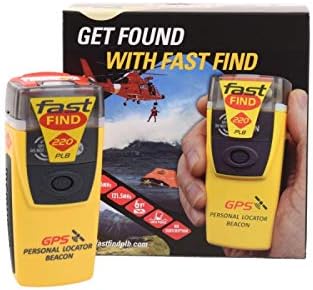
McMurdo FastFind 220
4.5Editor score
Affordable price point
Pre-programmed for US
Simple one-hand activation
This guide compares the top locator beacon for Hiking the Pct options, analyzing GPS accuracy, battery life, and subscription models to help you choose the
When hiking the Pacific Crest Trail, safety is paramount. A reliable locator beacon for Hiking the Pct ensures you can summon help in remote areas where cell service fails. Choosing the right device involves weighing GPS accuracy, battery longevity, and ease of use during emergencies.
We evaluated ten top-rated personal locator beacons and satellite communicators based on expert reviews and user feedback. Our comparison focuses on critical features like SOS functionality, global coverage, and durability against harsh trail conditions. This list covers devices suitable for solo hikers and groups alike.
Each pick highlights specific strengths such as subscription-free operation or two-way messaging capabilities. Remember that product availability and pricing fluctuate regularly. Check current listings for the most up-to-date information before making your final decision on which beacon to carry.
4.5Editor score

4.8Editor score

4.6Editor score
The following table provides a side-by-side overview of all ten devices reviewed in this guide. Compare key specifications and features to find the best fit for your specific hiking needs.


The ACR ResQLink View RLS PLB stands out as the top choice for serious hikers due to its advanced Return Link Service. With a 4.8 rating, this beacon ensures you know when rescue teams have received your distress signal. Its global coverage and robust design make it ideal for the Pacific Crest Trail.
We may earn a commission when you buy through this link, at no additional cost to you.
Key strengths include the ability to confirm SOS receipt via digital display, which reduces anxiety during emergencies. The Galileo GNSS compatibility ensures accurate positioning even in difficult terrain. A 5-year battery life and over 28 hours of operational runtime provide peace of mind during long treks.
The main trade-off is the higher initial cost compared to standard PLBs. However, the added assurance of signal confirmation and global satellite compatibility justifies the expense for those prioritizing safety above all else.
This device is best suited for hikers who want the highest level of safety assurance without subscription fees. If you plan on remote solo hikes, this beacon offers the reliability needed for emergencies.
The Return Link Service provides critical confirmation that rescue teams are actively tracking your location after you press the SOS button.
With over 28 hours of continuous operational life and a 5-year battery shelf life, this beacon remains ready for long expeditions.
We may earn a commission when you buy through this link, at no additional cost to you.
The McMurdo FastFind 220 offers exceptional value for budget-conscious hikers needing reliable emergency coverage. With a 4.5 rating, this beacon is pre-programmed for US country code registration, simplifying setup. It activates easily even in extreme conditions, ensuring you can get help when needed.
We may earn a commission when you buy through this link, at no additional cost to you.
Its primary strength lies in its simplicity and cost-effectiveness. The device requires no subscription and is legally compliant for US users out of the box. The deployment mechanism is intuitive, allowing activation with one hand even when gloves are worn or weather is severe.
The lack of return link service means you won't know if rescue teams received your signal immediately. However, for users needing a basic emergency safety net without monthly fees, this limitation is often acceptable given the price point.
This beacon is ideal for hikers on a tight budget who still want professional-grade distress signaling. It is a solid choice for those who prioritize cost savings and basic functionality over advanced two-way communication.
The design ensures activation is straightforward even with cold hands or poor visibility, critical for survival situations.
This option provides critical distress signaling capabilities at a fraction of the cost of more complex satellite devices.
We may earn a commission when you buy through this link, at no additional cost to you.
The Garmin inReach Mini 2 is a premium satellite communicator that goes beyond simple emergency signaling. Rated 4.6 by users, it allows two-way messaging so you can update family or describe injuries to rescuers. Its TracBack routing feature is invaluable for navigation in unfamiliar terrain.
We may earn a commission when you buy through this link, at no additional cost to you.
Key strengths include its ability to integrate with the Explore app for planning and real-time location sharing. The digital compass provides accurate heading even when stationary, which aids navigation in dense forests. Battery life reaches up to 14 days in default tracking mode, supporting extended hikes.
The requirement for an active satellite subscription adds ongoing cost compared to PLBs. Additionally, battery drain increases with more frequent tracking intervals. Despite this, the communication flexibility offers significant safety benefits for those who can afford the fees.
This device is best for hikers who want regular communication and advanced navigation tools alongside SOS features. If you need to stay connected or have specific medical needs, the communication capabilities justify the subscription investment.
TracBack routing helps retrace your path using the route you came, which is vital if you lose the trail.
Two-way messaging allows you to coordinate with support teams rather than just triggering an alert blindly.
We may earn a commission when you buy through this link, at no additional cost to you.
The ACR ResQLink View PLB425 combines reliable distress signaling with high-visibility features ideal for rugged terrain. With a 4.6 rating, this beacon uses both LED and Infrared strobes to ensure rescuers can spot you visually. It is buoyant and rugged, making it suitable for various outdoor environments.
We may earn a commission when you buy through this link, at no additional cost to you.
Its main strengths include the absence of any subscription fees while still offering global satellite coverage. The attachment clips allow secure mounting to gear, ensuring you never lose track of it. Pre-canned test messages via optional subscription help verify system integrity before you head out.
Without a return link service, you cannot confirm signal receipt immediately. The device is also slightly heavier than newer models. However, the visual strobe features significantly aid search efforts in daylight or low-light conditions.
This beacon is a strong choice for hikers prioritizing visual signaling and durability. If you need a dependable, subscription-free safety net that works anywhere, this model delivers consistent performance without ongoing costs.
The dual strobe system ensures rescuers can locate you visually in daylight or darkness, improving search efficiency.
Multiple attachment options like clips and lanyards let you secure the beacon to packs, belts, or safety gear easily.
We may earn a commission when you buy through this link, at no additional cost to you.
The ZOLEO Satellite Communicator offers a balanced approach to staying connected on the trail with affordable service plans. Rated 4.4 by users, it allows unlimited check-ins via SMS or email using the Iridium network. Its battery life exceeds 200 hours, reducing the need for frequent recharging.
We may earn a commission when you buy through this link, at no additional cost to you.
Key strengths include its rugged IP68 rating, making it durable against water and dust. The dedicated SMS number allows contacts to message you directly, bridging the gap between satellite and cellular communication. Monthly plans are flexible, allowing you to pay only when needed.
The device relies on a smartphone app for full functionality, which adds a dependency on your phone's battery. Without an active plan, it cannot transmit. This makes it ideal for those who already carry a smartphone and want backup messaging.
This communicator is perfect for hikers who want regular check-ins without expensive subscriptions. If you need a reliable backup for texting and location sharing that is cheaper than some competitors, ZOLEO is a strong contender.
With over 200 hours of battery life, you can go on multi-week treks without needing to recharge the device.
It uses the lowest-cost network available, switching between satellite and Wi-Fi to save on data charges.
We may earn a commission when you buy through this link, at no additional cost to you.
The Ocean Signal rescueME PLB1 is designed for minimalists who need a compact emergency beacon. With a 4.6 rating, this device is 30% smaller than many competitors, weighing just 4 oz. Its one-handed operation ensures you can activate it even if injured or in a stressful situation.
We may earn a commission when you buy through this link, at no additional cost to you.
Key strengths include its long 7-year battery life and waterproof design up to 49 feet. The high-intensity strobe light helps rescuers find you once you are detected. Being subscription-free, it offers reliability without ongoing costs, making it attractive for infrequent hikers.
The lack of return link service means no confirmation of signal receipt. Additionally, the compact size might feel less substantial to some users. However, the portability makes it easy to carry on long-distance trails like the PCT without adding bulk.
This beacon is ideal for ultralight hikers needing a reliable, compact safety net. If you value saving ounces in your pack but still require professional-grade distress signaling, this PLB delivers exceptional utility.
Its small footprint ensures it takes up minimal space in your pack, appealing to ultralight enthusiasts.
Built to withstand harsh conditions, it remains reliable even after drops or exposure to water and mud.
We may earn a commission when you buy through this link, at no additional cost to you.
The Garmin inReach Mini 2 Bundle offers a comprehensive safety kit with accessories ready for immediate use. Rated 4.6 by users, it includes a portable charger and cleaning cloth, ensuring you are prepared for the long haul. The device itself features MIL-STD-810 rugged durability.
We may earn a commission when you buy through this link, at no additional cost to you.
Key strengths include the extended battery life of up to 30 days on a 30-minute tracking interval. The inclusion of extra charging gear ensures you can maintain communication even on extended trips. Two-way messaging allows you to coordinate with support teams effectively.
The primary cost is the subscription requirement, which adds ongoing expense. Also, the bundle price is higher than the standalone device. However, for those who need a complete solution without buying accessories separately, this bundle offers convenience and peace of mind.
This bundle is best for hikers who want a full package with accessories included. If you plan on long trips and need reliable power and communication, this set provides everything needed for safety in one box.
The included portable charger ensures you can keep your device powered throughout long expeditions without worrying about outlets.
Built to military standards, the device withstands drops and harsh weather, ensuring reliability in extreme environments.
We may earn a commission when you buy through this link, at no additional cost to you.
The Garmin inReach Mini Renewed offers a cost-effective way to access satellite messaging technology. With a 4.2 rating, this device provides full two-way messaging capabilities similar to newer models. It is lightweight and compact, making it easy to carry in a pocket or pack.
We may earn a commission when you buy through this link, at no additional cost to you.
Key strengths include compatibility with downloadable NOAA charts and aerial imagery via the Earthmate app. This feature adds navigation value without needing a dedicated handheld. The Iridium network ensures reliable coverage even in remote areas of the PCT.
Since it is a renewed unit, warranty coverage may be limited compared to new purchases. Also, a subscription plan is required to use the service. However, for budget-conscious users, this device offers substantial savings without sacrificing core functionality.
This device is suitable for hikers comfortable with refurbished electronics needing reliable communication. If you want to save money but still need two-way messaging and navigation support, this is a practical choice.
Buying renewed allows you to access premium technology at a lower price point while maintaining core functionality.
Earthmate app compatibility lets you view detailed maps and plans directly linked to your communication device.
We may earn a commission when you buy through this link, at no additional cost to you.
The Motorola Defy Satellite Link is an accessory that adds satellite messaging to existing smartphones. Rated 3.7 by users, it is designed for those who want basic connectivity without buying a standalone device. It offers low-cost service plans starting around five dollars.
We may earn a commission when you buy through this link, at no additional cost to you.
Key strengths include its compatibility with iOS and Android devices, allowing you to use your phone's interface for messaging. The simple check-in button lets you share location or alerts with loved ones easily. Unlimited SOS alerts are included, providing critical safety coverage.
The reliance on a smartphone for most features means you must ensure your phone stays powered and compatible. Ratings are lower due to app connectivity issues sometimes reported. However, the low entry cost makes it an attractive option for casual hikers.
This device is best for users who already have a smartphone and want basic satellite backup. If you want to avoid carrying a separate communicator, this link provides a cost-effective way to stay connected.
It pairs with your smartphone to provide satellite capabilities without needing another device in your pack.
The low monthly plan price makes satellite communication accessible for those who rarely need it but want the backup.
We may earn a commission when you buy through this link, at no additional cost to you.
The ACR Bivy Stick is designed for groups needing shared tracking and communication features. With a 3.8 rating, this device allows up to 12 people to track each other via the Bivy app. It supports offline maps and GPS tracking for navigation without cell service.
We may earn a commission when you buy through this link, at no additional cost to you.
Key strengths include the GroupTrack feature, which ensures your party stays connected even in remote areas. Unlimited GPS check-ins and live tracking provide continuous updates. The device also supports email and SMS messaging, offering versatile communication options.
The user rating is lower due to app connectivity issues reported by some users. Additionally, it requires an active plan for full use. However, for groups prioritizing shared tracking and offline maps, this device offers unique features not found in standard beacons.
This stick is best for team hikes or family trips needing shared location updates. If you prioritize keeping a group connected via shared maps, this device offers specialized tracking capabilities.
GroupTrack allows you to monitor multiple party members simultaneously, ensuring no one gets lost or separated.
Downloadable offline maps allow you to navigate trails without cell service, which is crucial for remote hikes.
We may earn a commission when you buy through this link, at no additional cost to you.
Selecting the right beacon involves considering several critical factors. This guide outlines what to look for to ensure you stay safe on the Pacific Crest Trail.
Personal Locator Beacons (PLBs) typically operate without monthly fees, using government satellite systems. Satellite communicators often require subscription plans for messaging and data. Consider your budget and how often you hike to decide between one-time cost or ongoing fees.
Choose PLBs for occasional trips to avoid recurring costs. Select communicators if you need regular check-ins and two-way messaging regardless of the monthly fee.
Ensure the device supports multiple satellite constellations like GPS and Galileo for better accuracy in dense forests or canyons. Global coverage is essential for remote sections of the trail where cell towers are absent.
Verify the device covers the regions where you plan to hike. Multi-constellation support ensures faster and more reliable signal acquisition during emergencies.
Battery longevity is critical for long treks. Look for devices with at least 20 hours of operational life in SOS mode. Some devices offer longer standby times or rechargeable batteries.
Prioritize models with high operational hours if you plan multi-day trips. Always carry spare power banks for rechargeable units to ensure constant connectivity.
In an emergency, intuitive activation is vital. Test devices to ensure they can be operated with one hand or while wearing gloves. Clear labels and simple interfaces reduce confusion under stress.
Choose devices with straightforward controls and visible SOS buttons. Avoid complex setups that require app connections to trigger an alert.
Trail conditions can be harsh, so waterproof and shock-resistant ratings are important. Lightweight devices are preferred for long-distance hiking to reduce pack weight. Aim for under 5 oz if possible.
Look for IP ratings indicating water resistance. Balance durability with weight; rugged devices often add extra ounces but offer better protection against damage.
Return Link Service confirms that rescue teams have received your SOS signal. This feature reduces anxiety by letting you know help is on the way. Not all PLBs include this feature.
If you want peace of mind during an emergency, choose a device with Return Link Service. This is especially helpful for solo hikers without immediate support nearby.
Two-way messaging allows you to describe your situation to rescuers or check in with family. This is more informative than sending an automatic SOS signal. Consider your need for communication versus basic safety.
Prioritize communicators if you need to coordinate with family or provide detailed info to rescue teams. PLBs are sufficient if you only need emergency alerts.
Some devices work best with specific apps or smartphone pairs. Ensure the device supports your operating system (iOS or Android) if you plan to use mapping features.
Check app availability and updates. Reliable software ensures your mapping and tracking features work smoothly throughout your trip.
Before heading out, test your device in a safe environment to ensure it is powered on and functioning correctly. Register your beacon with the appropriate national authority to prevent false alerts and aid rescue operations quickly.
Keep the device accessible at all times rather than buried deep in your pack. Attach it to your belt or shoulder strap so you can reach it instantly if an emergency occurs while hiking or climbing.
Regularly check battery status and replace batteries as needed. After each trip, inspect the device for physical damage or wear to ensure it remains reliable for future adventures.
Most personal locator beacons (PLBs) do not require subscriptions because they use government satellite networks. However, satellite communicators usually require monthly plans for messaging and location sharing. Check the product specs to confirm.
Yes, but it is less effective. GPS-enabled beacons provide precise coordinates to rescue teams. Non-GPS units rely on triangulation which is slower and less accurate. For the PCT, GPS models are strongly recommended.
Typically between 5 and 10 years. Non-rechargeable batteries used in PLBs have long shelf lives. Always check the manufacturer's expiration date before using an old device for a long trip.
Many devices have self-test modes that simulate sending a signal without actually alerting authorities. Consult the manual to use self-test features correctly to avoid triggering real emergency services.
False alerts waste resources and can endanger lives by diverting real rescue teams. Intentional misuse can result in fines or penalties. Only use SOS in genuine emergencies requiring immediate assistance.
Yes, waterproof devices withstand rain and accidental immersion which are common on trails. Look for IP ratings or depth ratings to ensure the device survives exposure to water and harsh weather conditions.
The ACR ResQLink View RLS PLB stands out as the top pick for its Return Link Service and reliability. The McMurdo FastFind 220 is an excellent budget option for those needing simple SOS capabilities. The Garmin inReach Mini 2 leads in communication and navigation tools.
Prioritize features that match your hiking style. Solo hikers may prefer PLBs with high visibility and battery endurance. Groups might benefit from communicators that support tracking and messaging to stay connected throughout the trail.
Prices and availability change frequently. Check current listings before purchasing to ensure you get the latest model. Your safety on the Pacific Crest Trail depends on reliable equipment, so choose carefully.